When the rains fail, water becomes a full-time job
Kenya's arid and semi-arid lands (ASAL) cover roughly 80% of the country and are home to millions of pastoralists, smallholder farmers, and children who miss school because they are sent to fetch water. When drought strikes — as it has repeatedly in Turkana — rivers dry, shallow wells collapse, and livestock die. Women and girls walk 10–20 km each day for water that is often shared with animals and unsafe to drink.
A professionally drilled borehole can change this permanently. Underground aquifers remain available even when surface water disappears. But in remote counties, getting a rig on site, drilling deep enough, casing correctly, and equipping the hole is expensive — often out of reach for communities earning less than a dollar a day.
What Kisima is proposing
Acquire dedicated drilling equipment (~$300,000) so we are not hiring third-party rigs at premium rates. Drill for capable individuals and businesses at fair market rates (~$25,000 in these counties). Put 100% of the surplus back into drilling and equipping boreholes for vulnerable communities at our true running cost of ~$5,000 each — with no profit taken on community work.
Counties where drought makes water a daily emergency
Kisima already mobilises to Kenya's hardest drilling terrain. With our own rig permanently available, we can respond faster and cheaper in these priority ASAL counties:
Turkana
Among Kenya's driest counties. Lake Turkana communities and inland pastoral settlements face extreme water stress. Boreholes typically 40–120 m; mobilisation is costly because of distance and harsh terrain.
Wajir
Deep aquifers often required at 200–300 m. Seasonal rivers vanish for months. Schools and health centres depend on trucked water when boreholes fail or do not exist.
Marsabit
Some of Kenya's deepest community boreholes (200–450 m). Remote mobilisation, volcanic geology, and long dry seasons make professional drilling essential — and expensive without owned equipment.
Kajiado (arid zones)
Pastoral Maasai communities in the south — areas like Ngatataek — where shallow sources dry up and deep boreholes unlock reliable water for households, schools, and livestock.
Baringo
Rift Valley county with pockets of severe water scarcity. Typical depths 150–280 m. Communities around Lake Baringo and inland settlements need dependable groundwater.
Tana River
Despite the Tana River name, many inland communities sit far from reliable surface water. Boreholes at 80–150 m can secure year-round supply for villages cut off during dry spells.
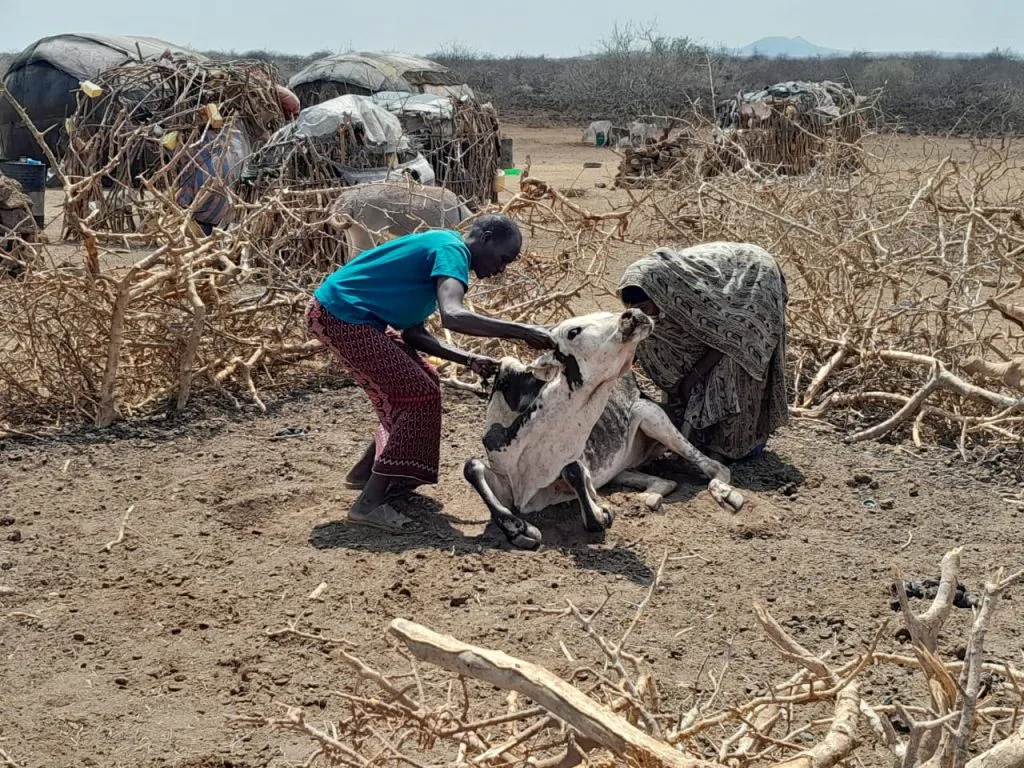
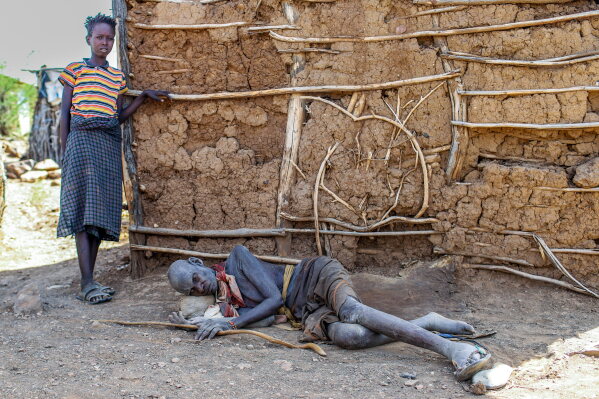
When drought strikes the north — photographs from Turkana
These scenes from Turkana County mirror conditions across Wajir, Marsabit, Kajiado, Baringo, and Tana River — why Kisima is raising funds for a dedicated community drilling rig.
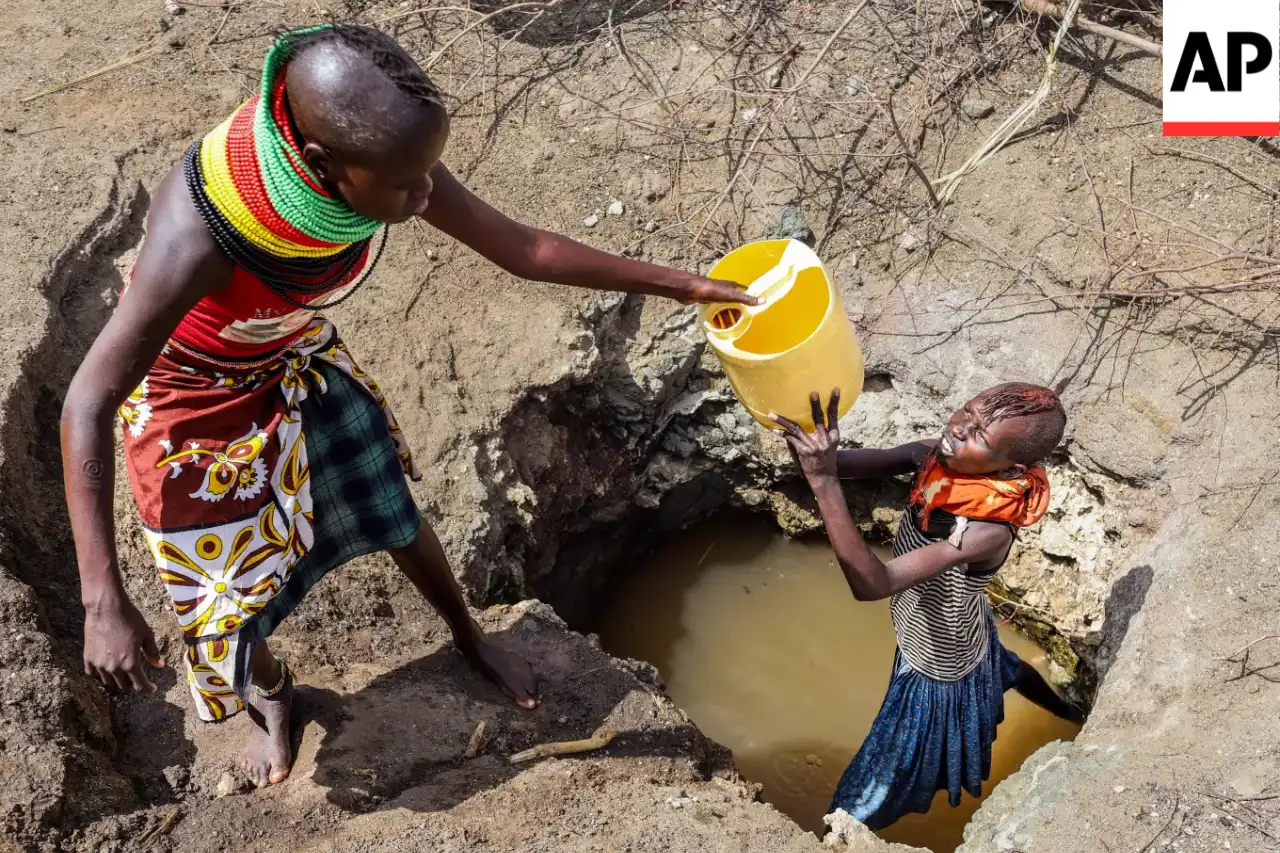
1 · When surface water runs out, people dig by hand
Women climb into deep pits to scoop muddy water into jerrycans — dangerous, exhausting, and never enough.
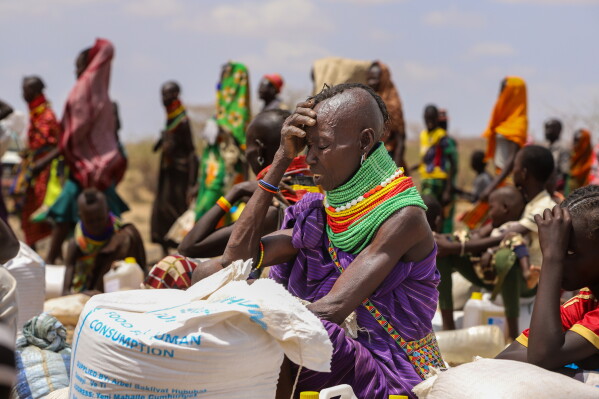
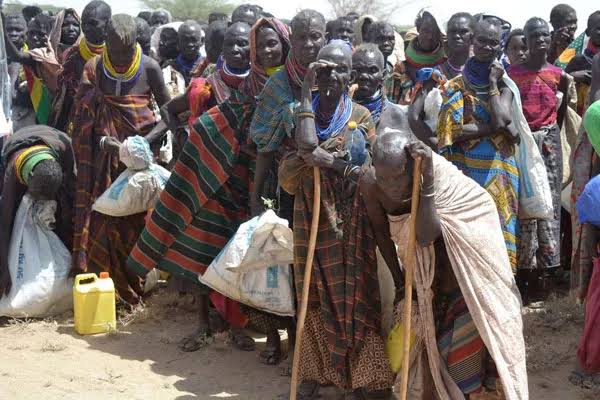
2 · Entire communities depend on emergency aid
When drought persists, food distribution replaces farming and pastoralism — but aid cannot replace a permanent water source.
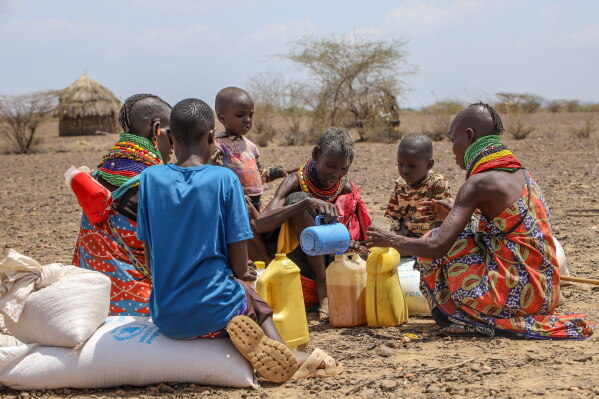
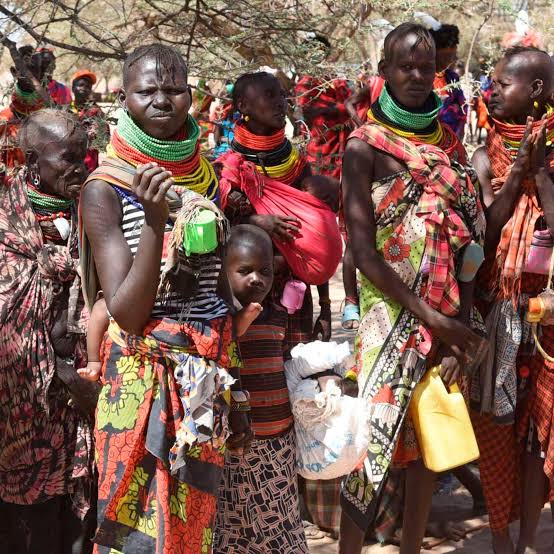
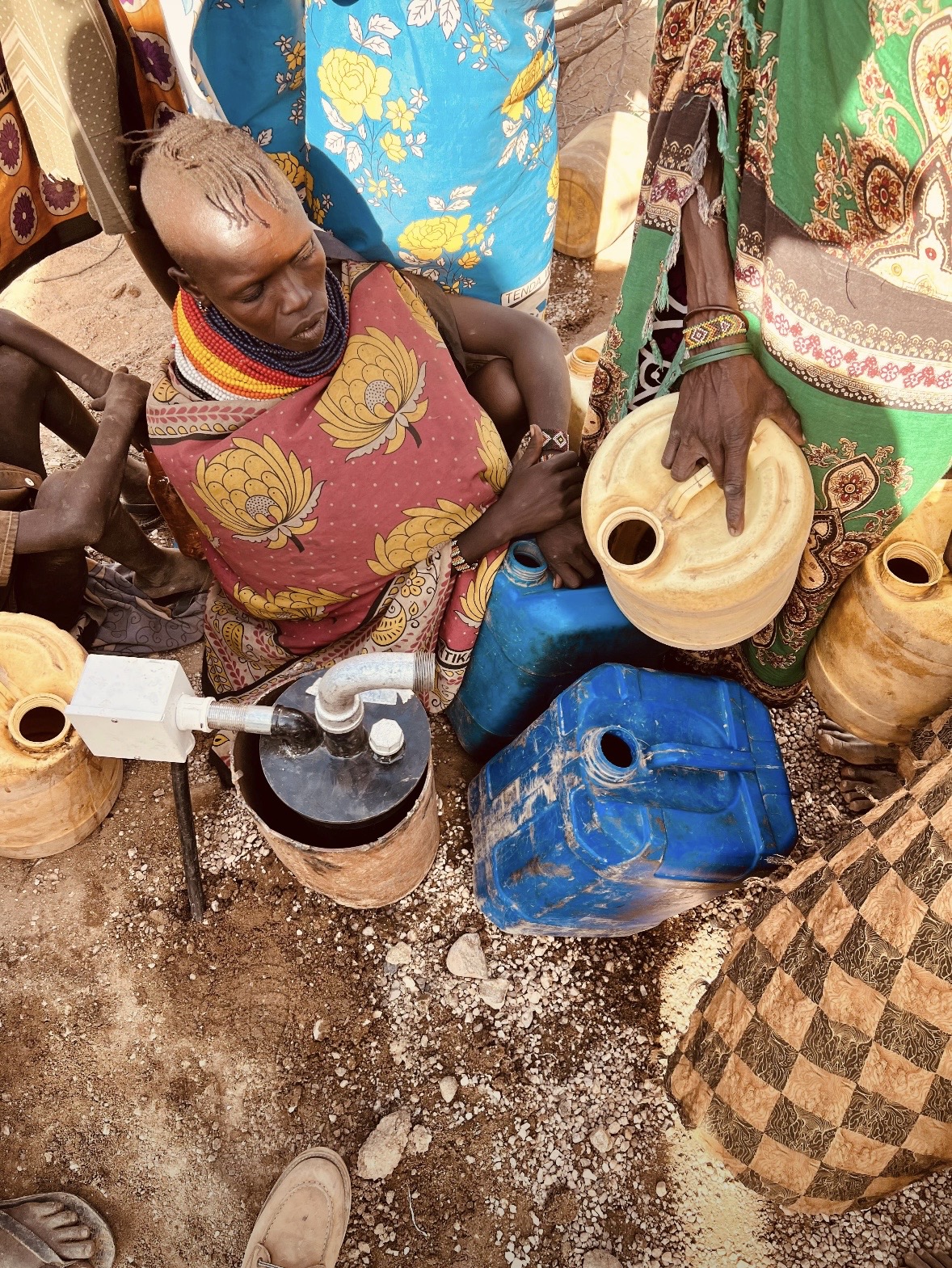
3 · Every drop is fought for
Women and children spend hours filling, lifting, and carrying 20-litre jerrycans under the midday sun.
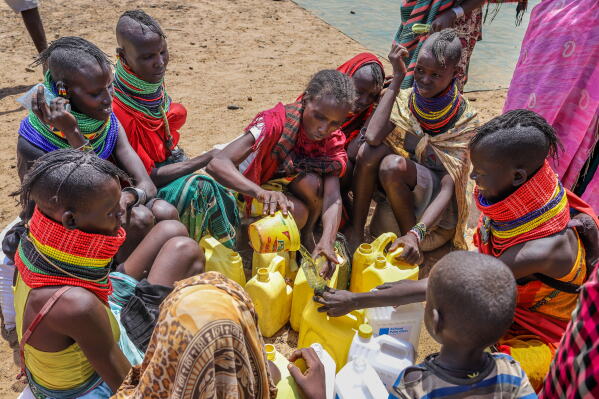
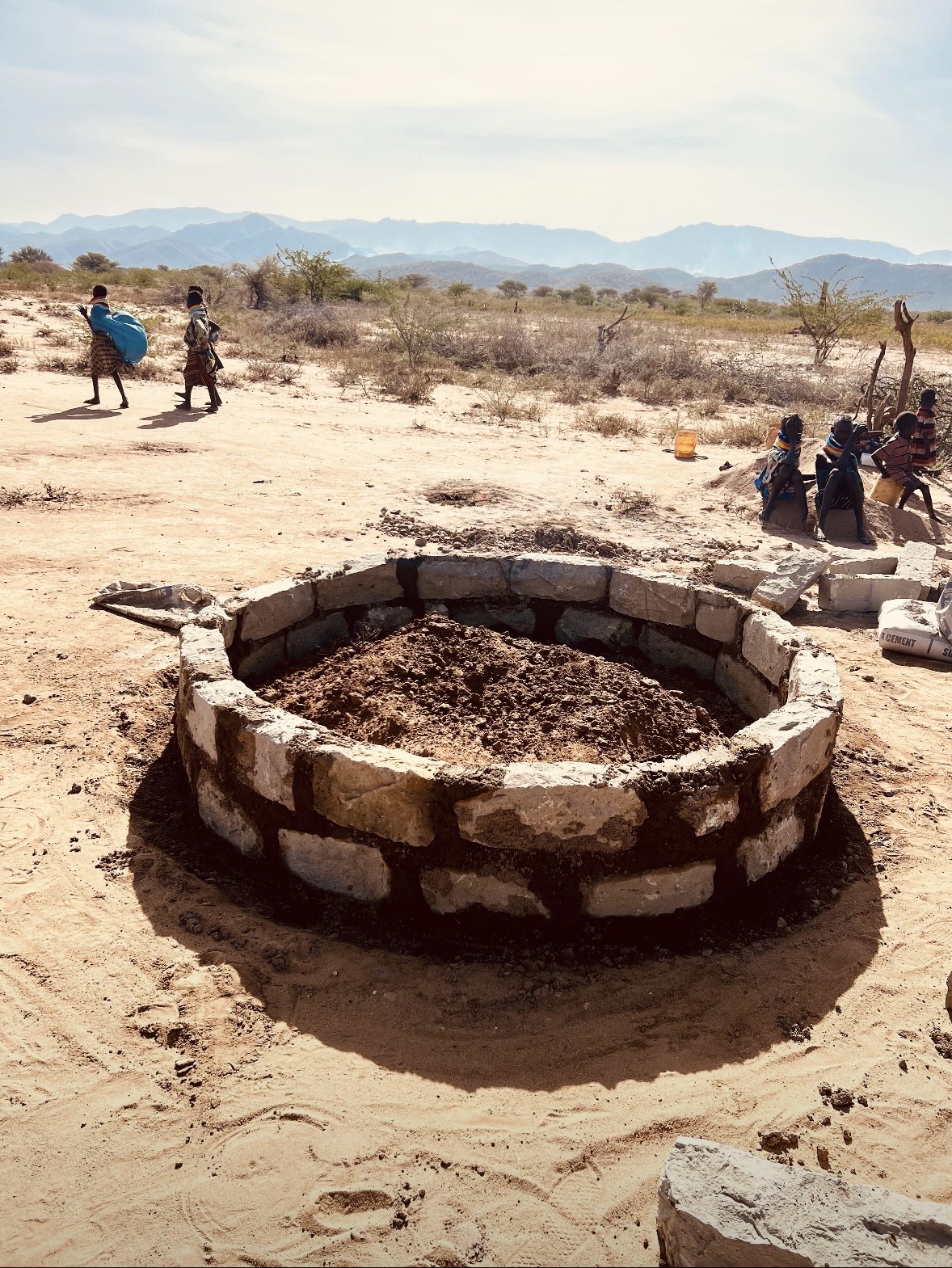
4 · Without professional drilling, communities build by hand
Left to themselves, villages hand-dig wells and build stone collars — slow, shallow, and still not enough when drought returns.
Why a borehole in these counties costs roughly $25,000 today
When communities or NGOs hire a contractor without owned equipment, the price reflects much more than fuel and casing:
- Rig hire & mobilisation — transporting a heavy drilling rig 500–800 km into Turkana, Wajir, or Marsabit adds tens of thousands of shillings before drilling starts.
- Depth — many ASAL boreholes require 150–300 m of drilling, steel casing, gravel packing, and development.
- Contractor margin — commercial drillers must profit on each job to cover idle time, breakdowns, and equipment loans.
- Permits & survey — WRA authorization, hydrogeological survey, and test pumping add to the total.
In remote arid counties, a complete community borehole — drilled, cased, tested — typically lands around USD 25,000 (roughly KES 3.2–3.5 million depending on depth and county). That price is simply unreachable for most pastoral villages.
How the cross-subsidy model works
Kisima is not asking donors to fund every borehole forever. We are asking partners to help us buy the machine — then we sustain community drilling ourselves through a transparent, no-profit model:
Donors & partners fund the rig
~$300,000 acquires dedicated drilling equipment — compressor, rods, bits, casing tools, and support vehicles — stationed for ASAL county work.
Capable individuals pay market rate
Farmers, businesses, lodges, and landowners who can afford a borehole pay the fair commercial rate (~$25,000). Kisima covers its $5,000 running cost and generates a surplus.
Surplus funds community boreholes
Every $20,000 surplus from a paid job ($25,000 minus $5,000 running cost) is reinvested — not kept as profit — to drill four community boreholes at $5,000 each.
Communities receive a complete system
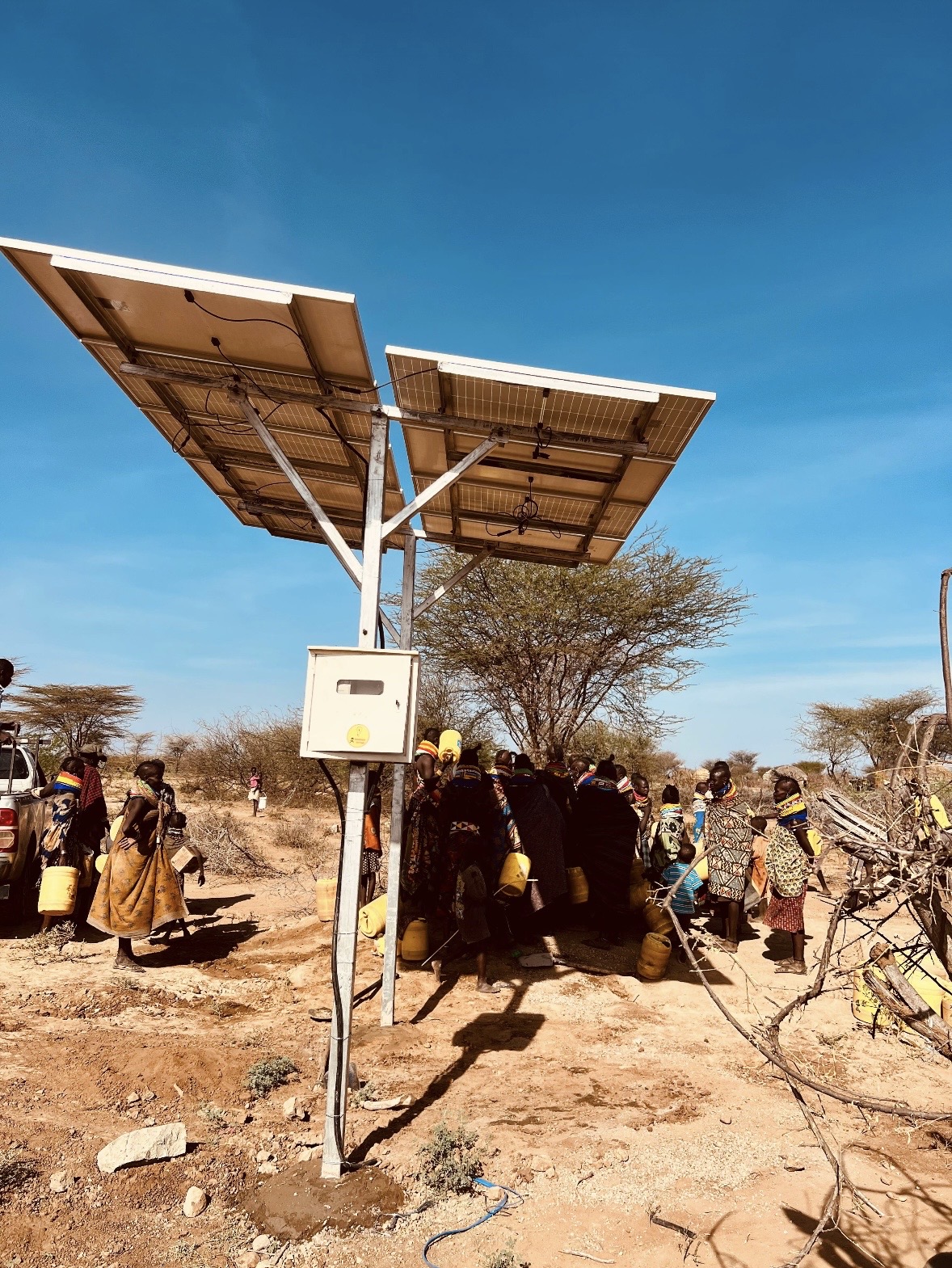
Each community borehole is equipped with a solar submersible pump or hand pump — whichever suits the yield, depth, maintenance capacity, and budget of that village.
Our commitment
Zero profit on community boreholes. Kisima earns nothing from vulnerable-community work. Commercial jobs exist solely to keep the rig operational and to generate the surplus that pays for community drilling, equipping, and long-term support.
How many boreholes $300,000 unlocks
Here is the full math, transparent and simple — the same figures we share with international donors and NGO partners.
Equipment vs running cost
| Item | Amount (USD) | Notes |
|---|---|---|
| Drilling equipment (one-time) | $300,000 | Rotary rig, compressor, tooling, support vehicles |
| Running cost per borehole (own rig) | ~$5,000 | Fuel, bits, casing, labour, local logistics — no rig hire |
| Commercial rate (capable clients) | ~$25,000 | Fair market price in remote ASAL counties |
| Surplus per commercial borehole | $20,000 | 100% reinvested into community drilling |
Scenario A — If $300,000 is fully donor-funded (equipment paid upfront)
Once the rig is owned, every commercial job immediately funds community work:
- 1 paid borehole ($25,000) → 4 community boreholes ($5,000 × 4 = $20,000 surplus)
- 15 paid boreholes over 2–3 years → 60 community boreholes
- Total: 75 boreholes (15 commercial + 60 community) in the first full operating cycle
Scenario B — Equipment cost recovered through cross-subsidy alone
If donors contribute less and Kisima recovers the $300,000 equipment cost from commercial surplus:
- $300,000 ÷ $20,000 surplus per job = 15 commercial boreholes to fully pay off the rig
- Those same 15 jobs simultaneously fund 60 community boreholes (15 × 4)
- After equipment is paid off, every future commercial job still funds 4 community boreholes — indefinitely
Scenario C — Pure community boreholes at running cost
If the equipment is already owned and funded, the variable cost alone defines community reach:
Equipment fundraising goal
$300,000 target · update progress here
Update the progress bar and amounts as donations come in. Contact Kisima for bank transfer, PayPal, or NGO partnership details.
Solar pump or hand pump — fitted to each community
A borehole without a pump is just a hole in the ground. Kisima equips every community project with solar submersible pumps or hand pumps — whichever suits depth, yield, and local maintenance capacity. See the full Chumvi example below for what a completed, donor-funded system looks like on the ground.
Solar submersible pump
Best for deeper boreholes with good yield (1 m³/hr+), no grid power, and communities that need higher daily output for livestock, schools, or small irrigation. Zero fuel cost; panels last 20+ years with basic care.
Hand pump (Afridev / India Mark II)
Ideal for shallower holes, lower yields, or communities that prefer a simple mechanical system with minimal spare parts. Villagers can maintain it locally; no electricity required.
Chumvi community borehole — a donor-funded success story
Chumvi, in one of the driest parts of Laikipia County, is where most boreholes fail dry. Families walked long distances for water. Livestock suffered. Schools had no reliable supply. James Hillencamp stepped in to fund Kisima to drill deep, equip the borehole, and give the community a permanent water source — the same transformation we want to repeat across Turkana, Wajir, Marsabit, and Kenya's ASAL counties.
With deep gratitude
Thank you, James Hillencamp
On behalf of the Chumvi community, Kisima Well Drillers thanks James Hillencamp for funding this project when shallow holes had failed and no one else would drill to depth. Your investment did not just pay for a borehole — it paid for 275 metres of drilling through dry aquifers, professional casing, test pumping at 3.2 m³/hr, solar equipping, and a secured community water point that will serve families and livestock for decades.
What Chumvi cost — and what our own rig changes
The Chumvi project is a real benchmark. With hired equipment and full commercial mobilisation, the complete community borehole — drill, case, test, equip with solar, fence, and hand over — cost approximately USD 30,000. With Kisima's own drilling equipment, the same drilling work runs at roughly USD 5,000 in true running costs. That is why we are asking partners to help us buy the machine: so the next James Hillencamp, the next church, the next diaspora group can fund six times more communities for the same donation.
Chumvi project (hired rig)
~$30,000Full community borehole — 275m depth, casing, test pumping, solar pump, tank, fencing, and handover. Funded by James Hillencamp.
With Kisima's own equipment
~$5,000Same drilling running cost per community borehole — no rig hire, no contractor markup. Surplus from paid jobs funds villages that cannot pay.
Your donation goes further
6× impact$30,000 today = one Chumvi-scale project. $30,000 in running costs with our own rig = six community boreholes at $5,000 each.
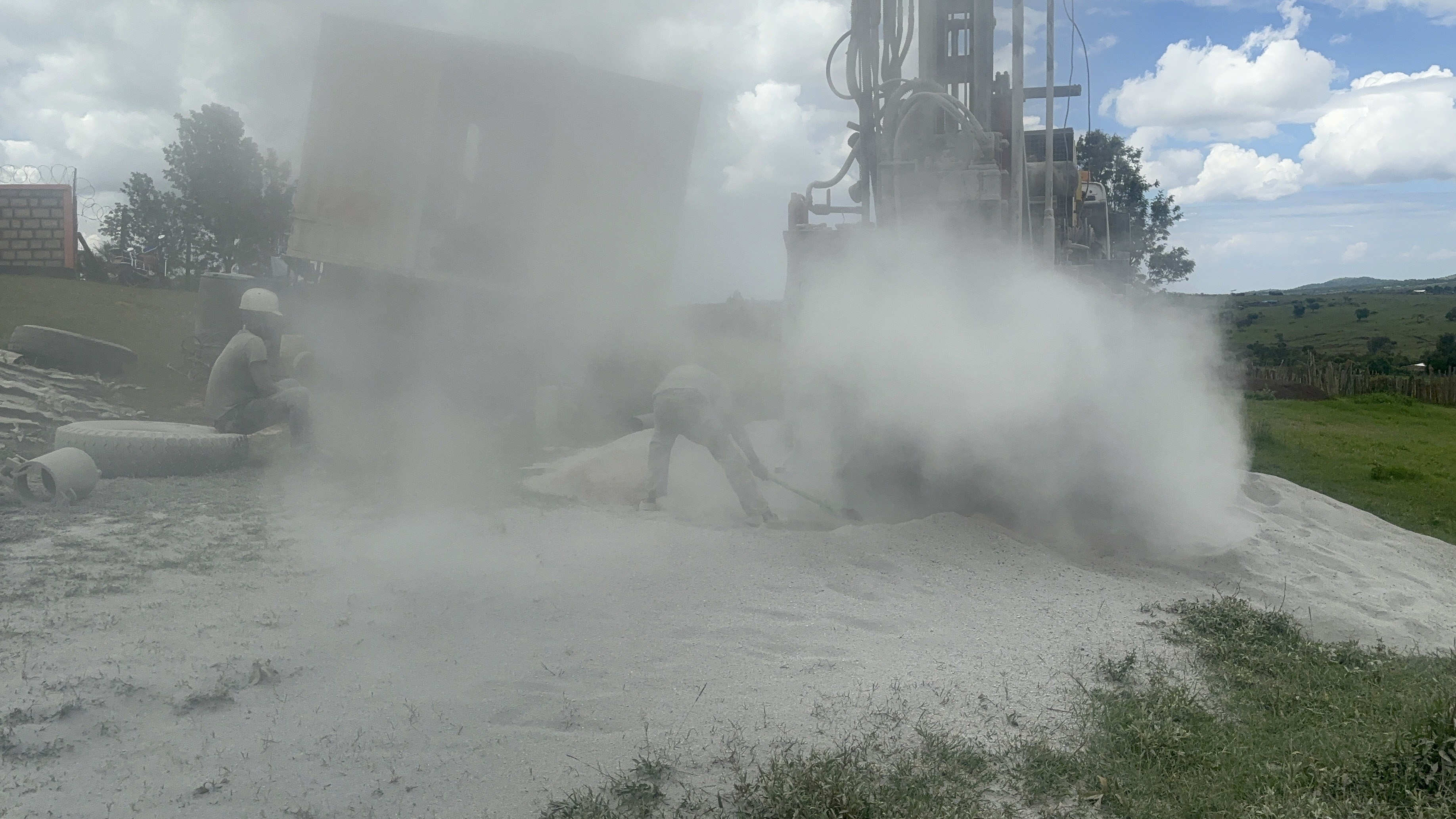
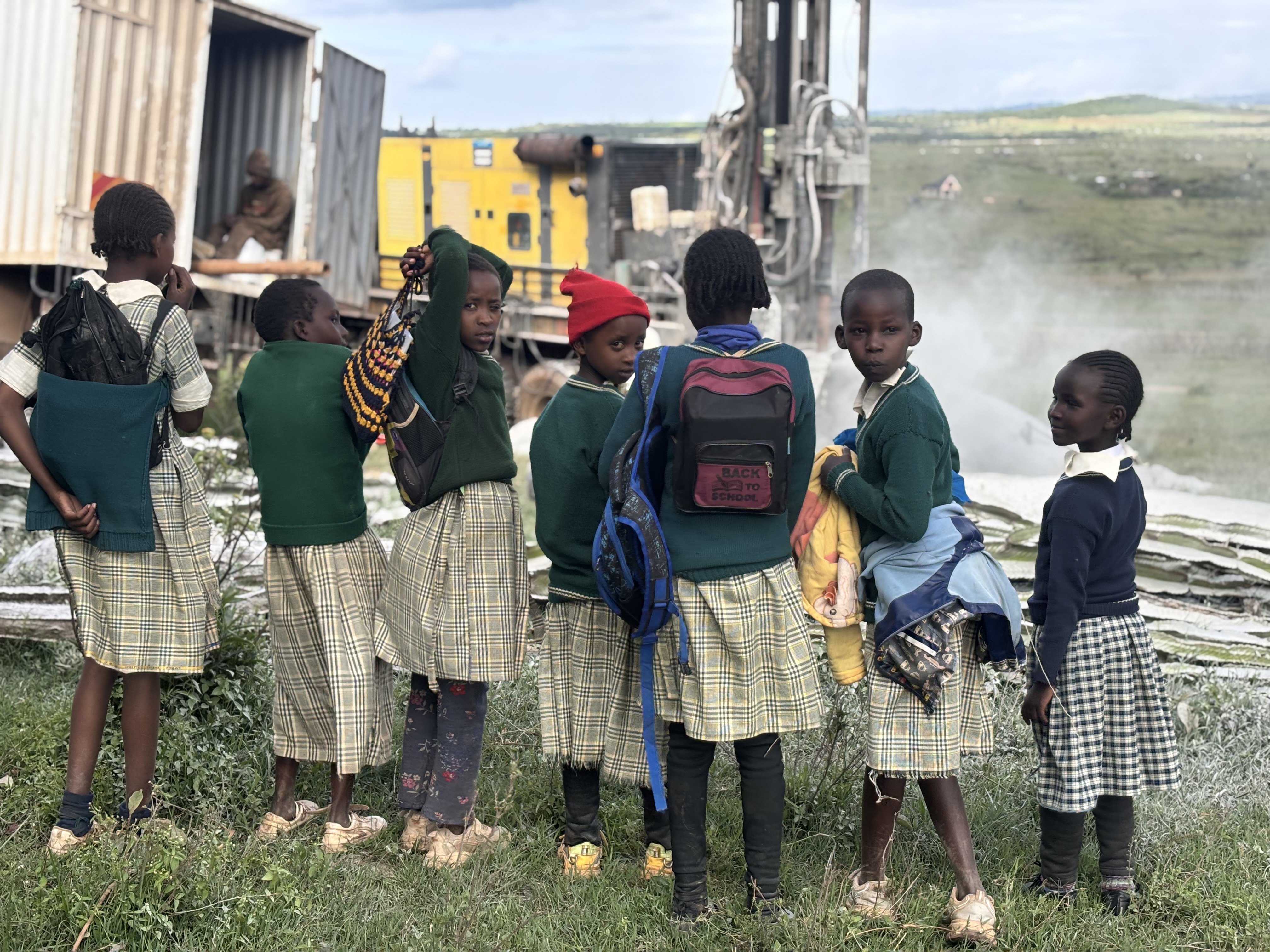
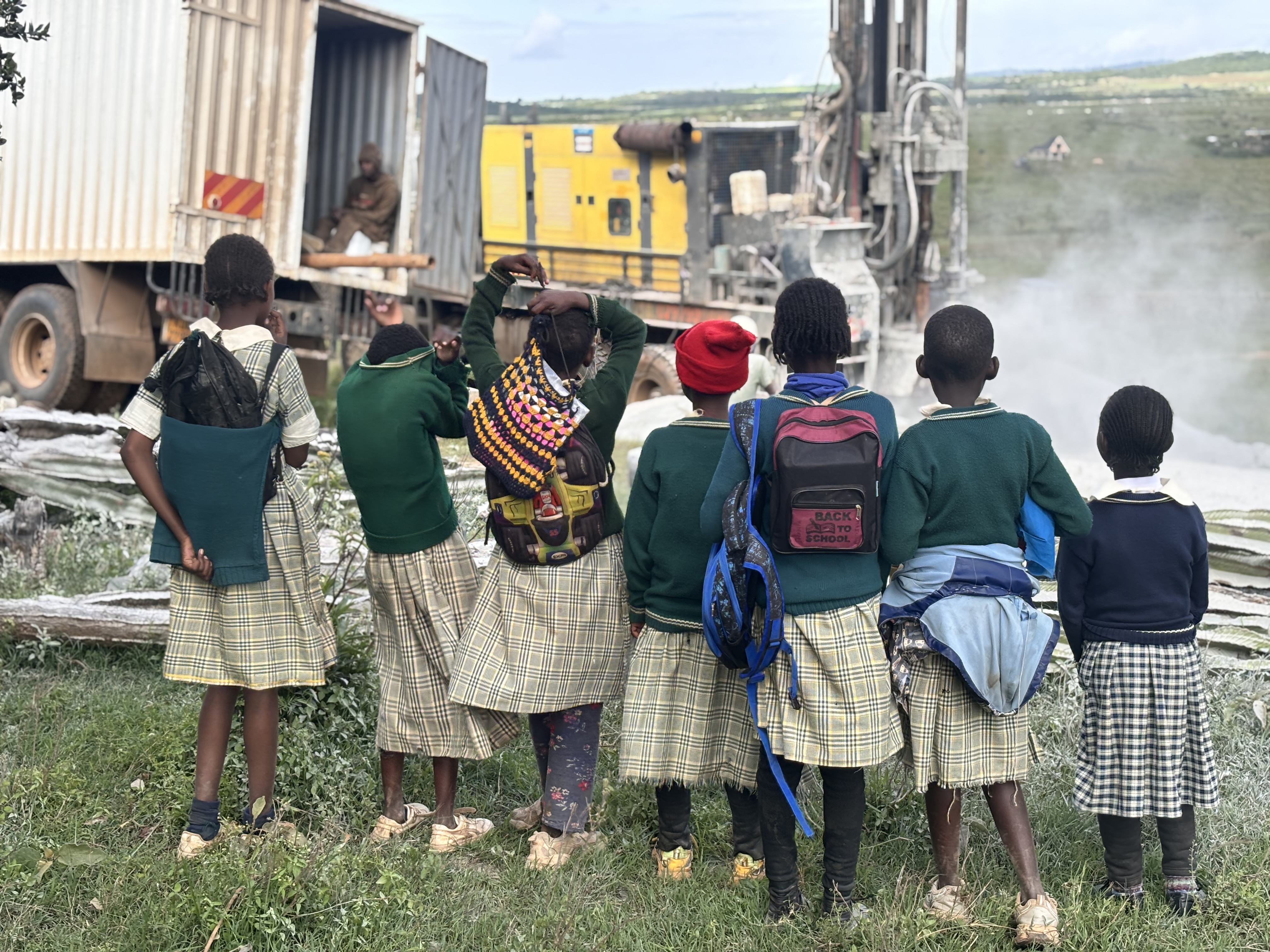
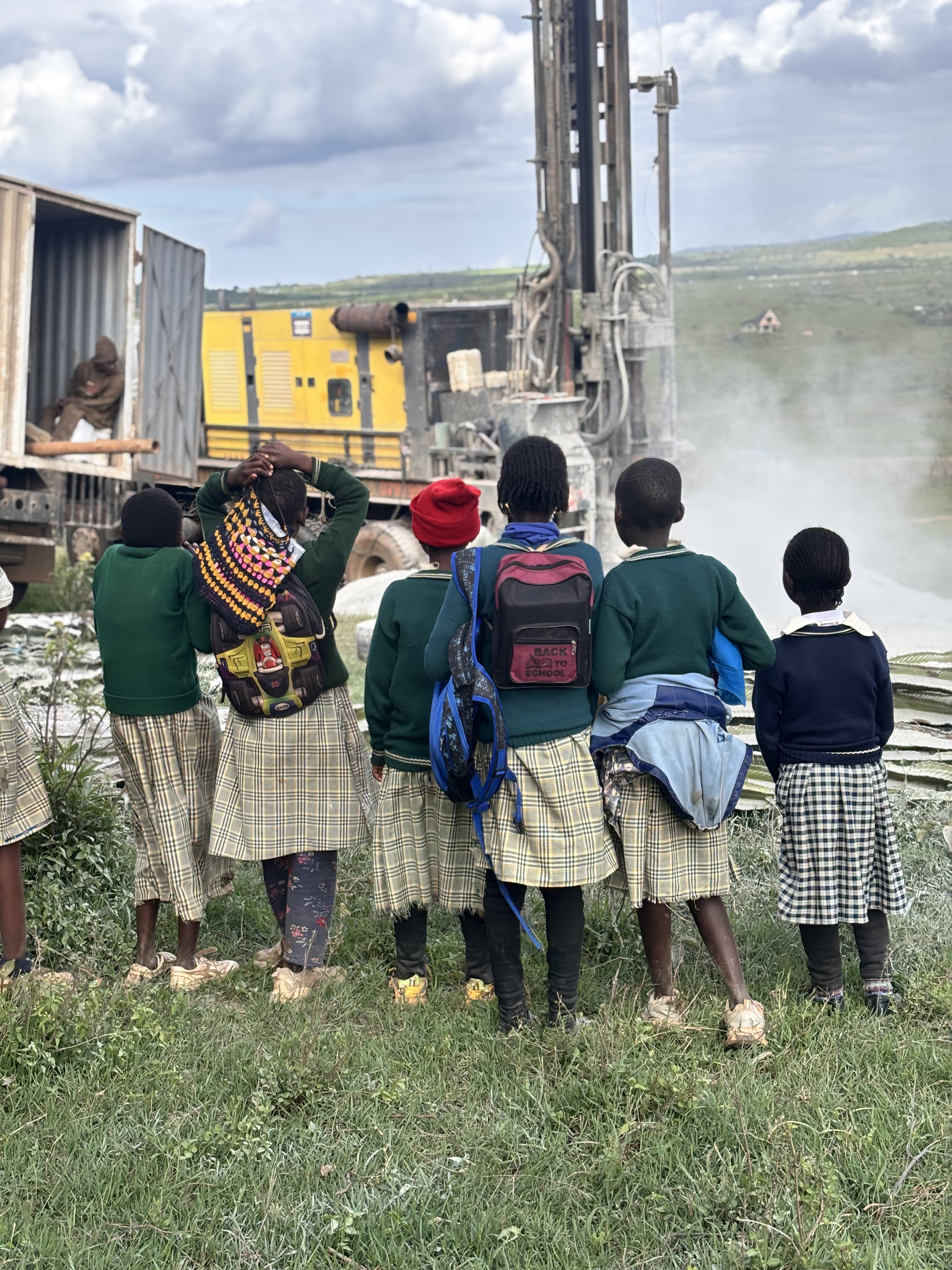
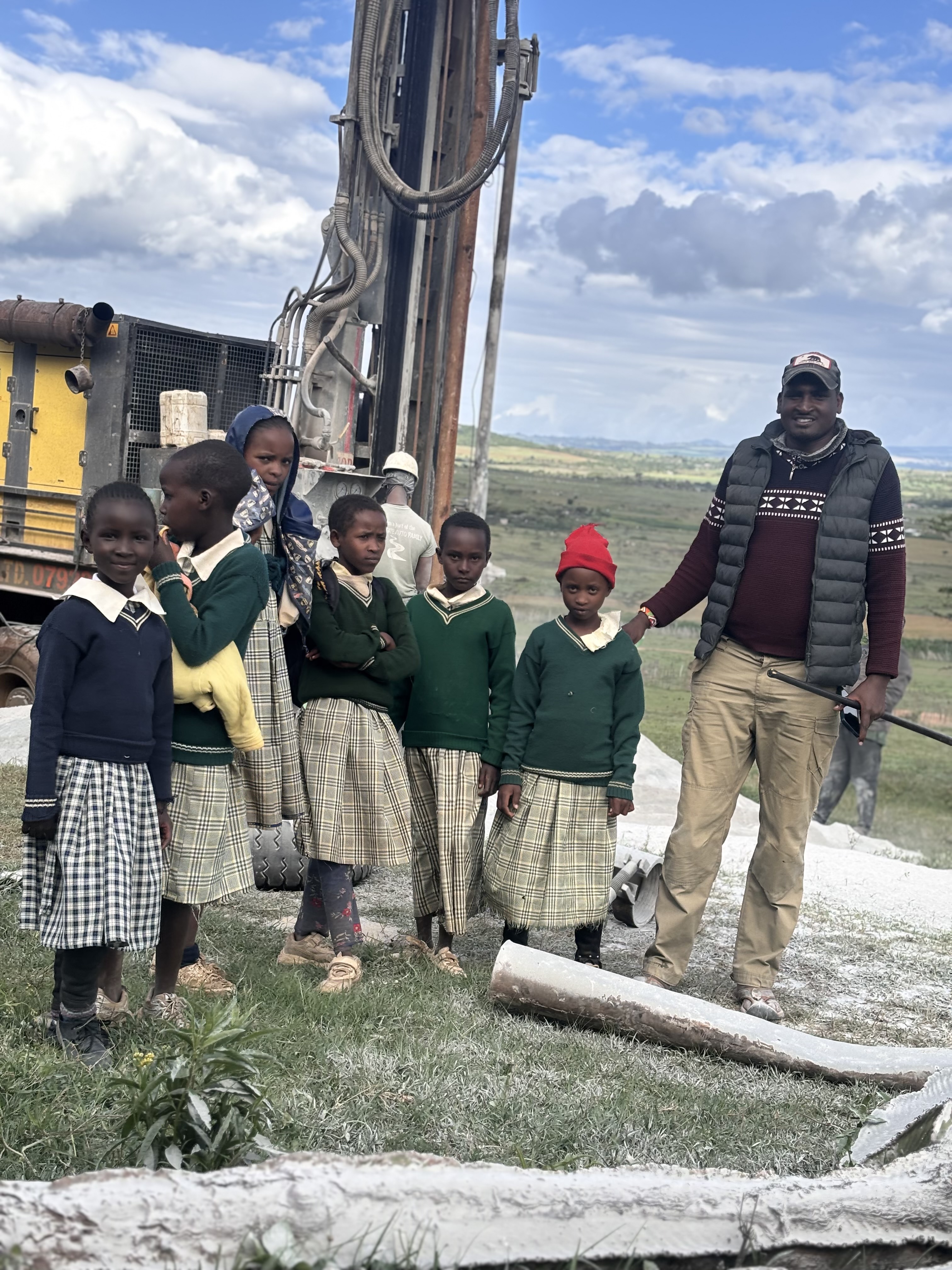
Drilling through dry Laikipia ground
Chumvi is not shallow-drill country. Kisima pushed past dry passes while schoolchildren and community leaders watched every metre.
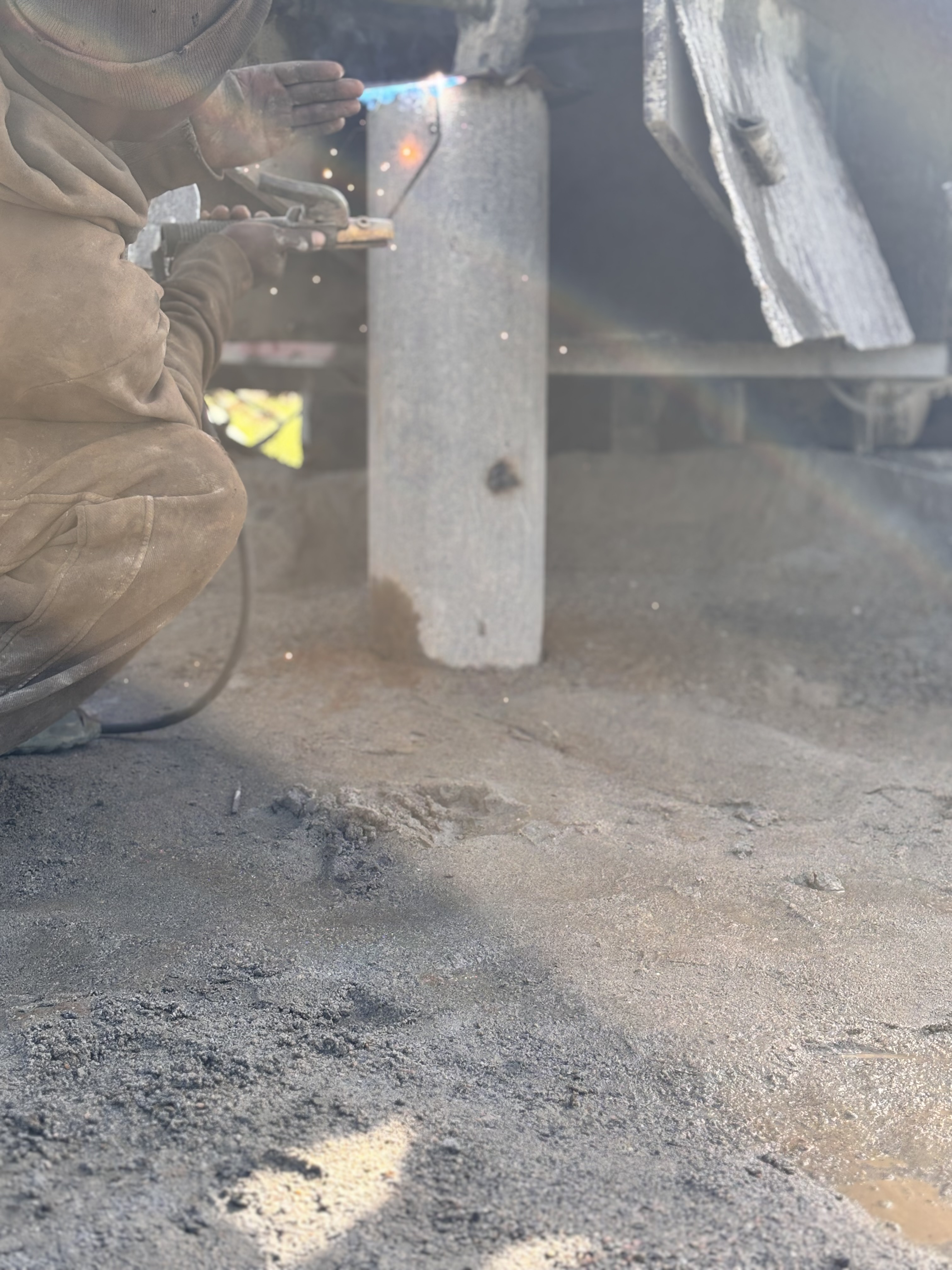
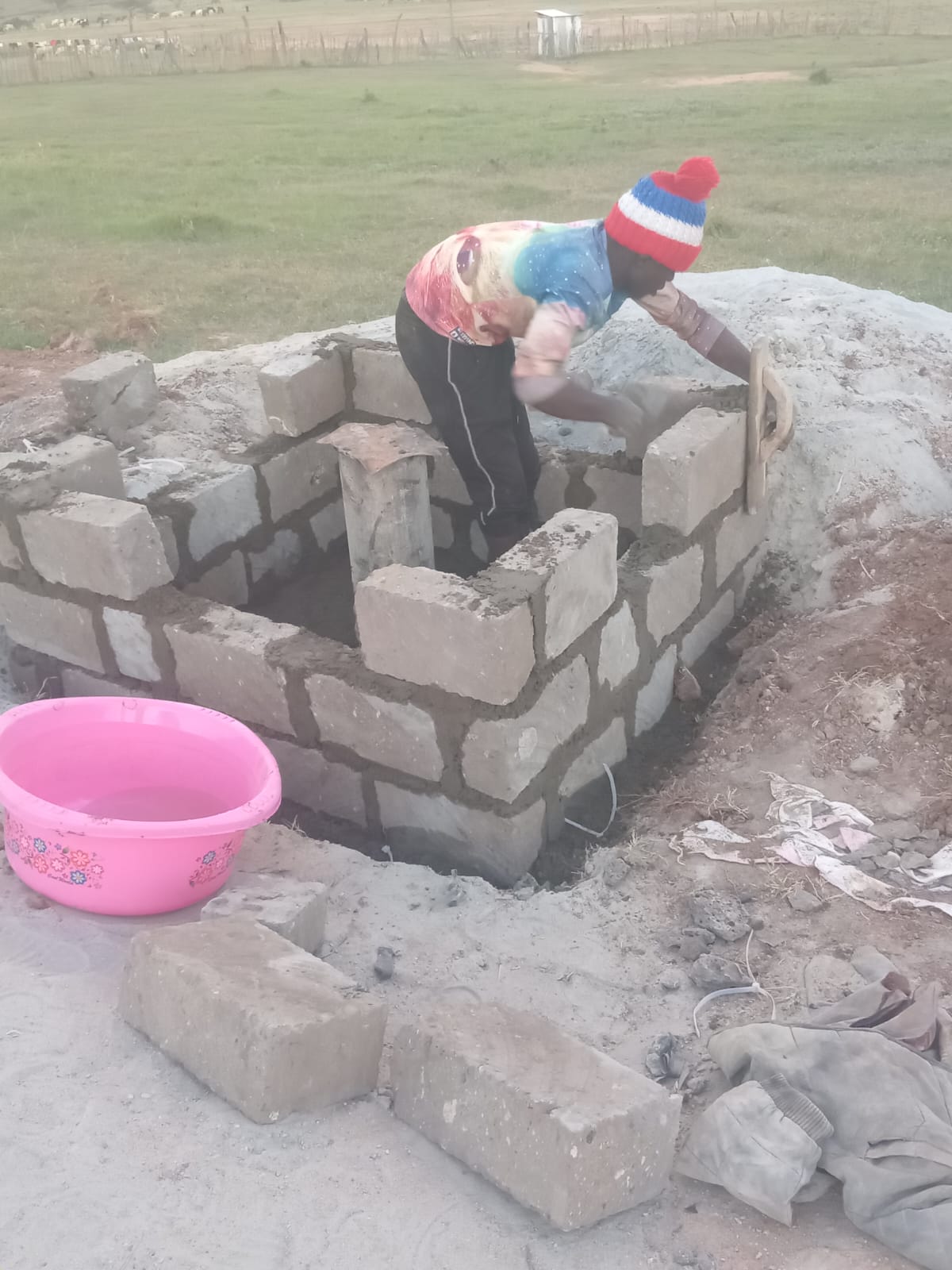
Casing, welding, and building around the borehole
Professional drilling means steel casing, welded joints, and a protected headworks — work that lasts 20–30 years.
The community at the borehole — waiting for the first drop
When drilling finished, the settlement gathered around the borehole itself. Jerrycans ready. No one left until water flowed.
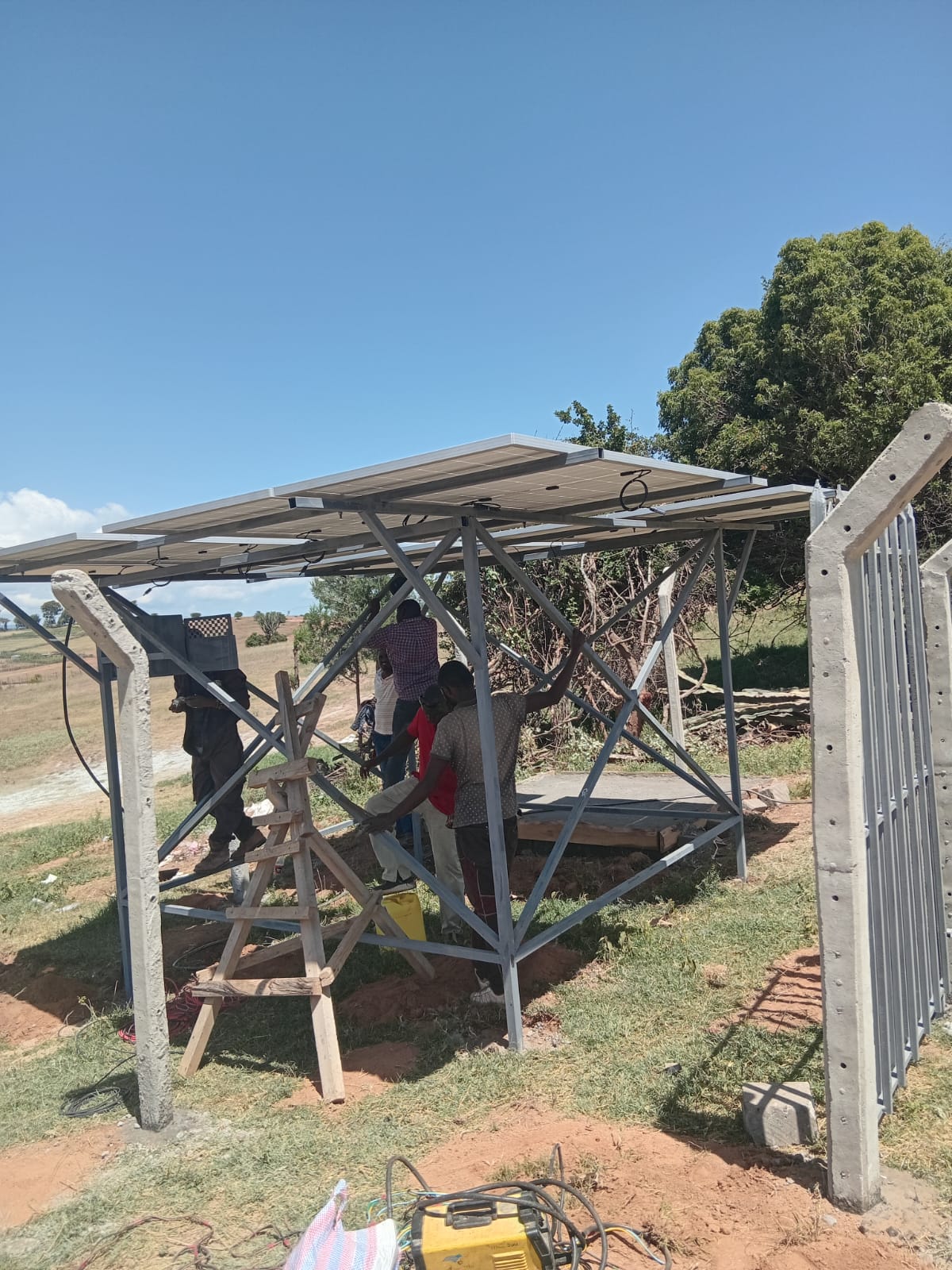
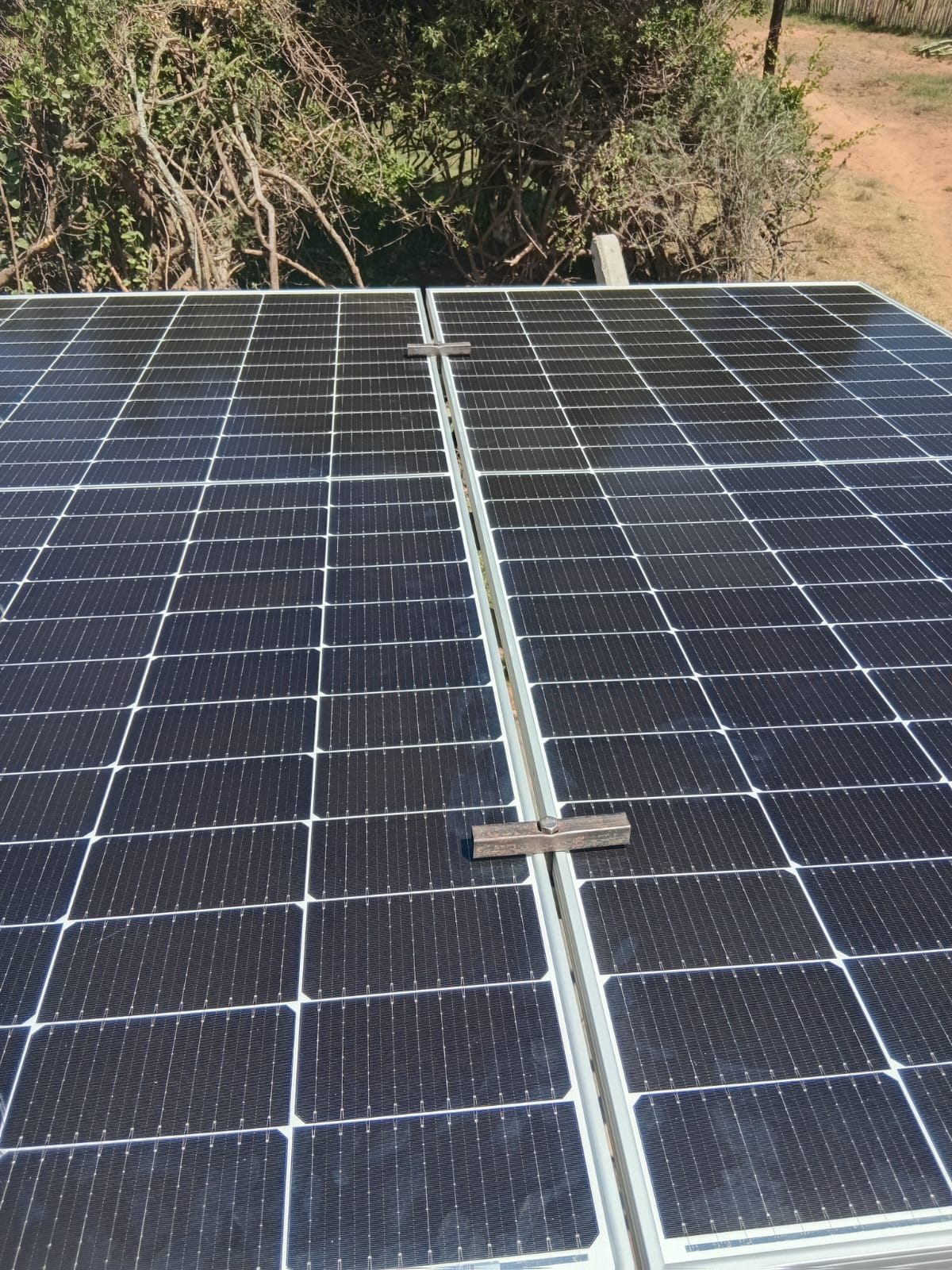
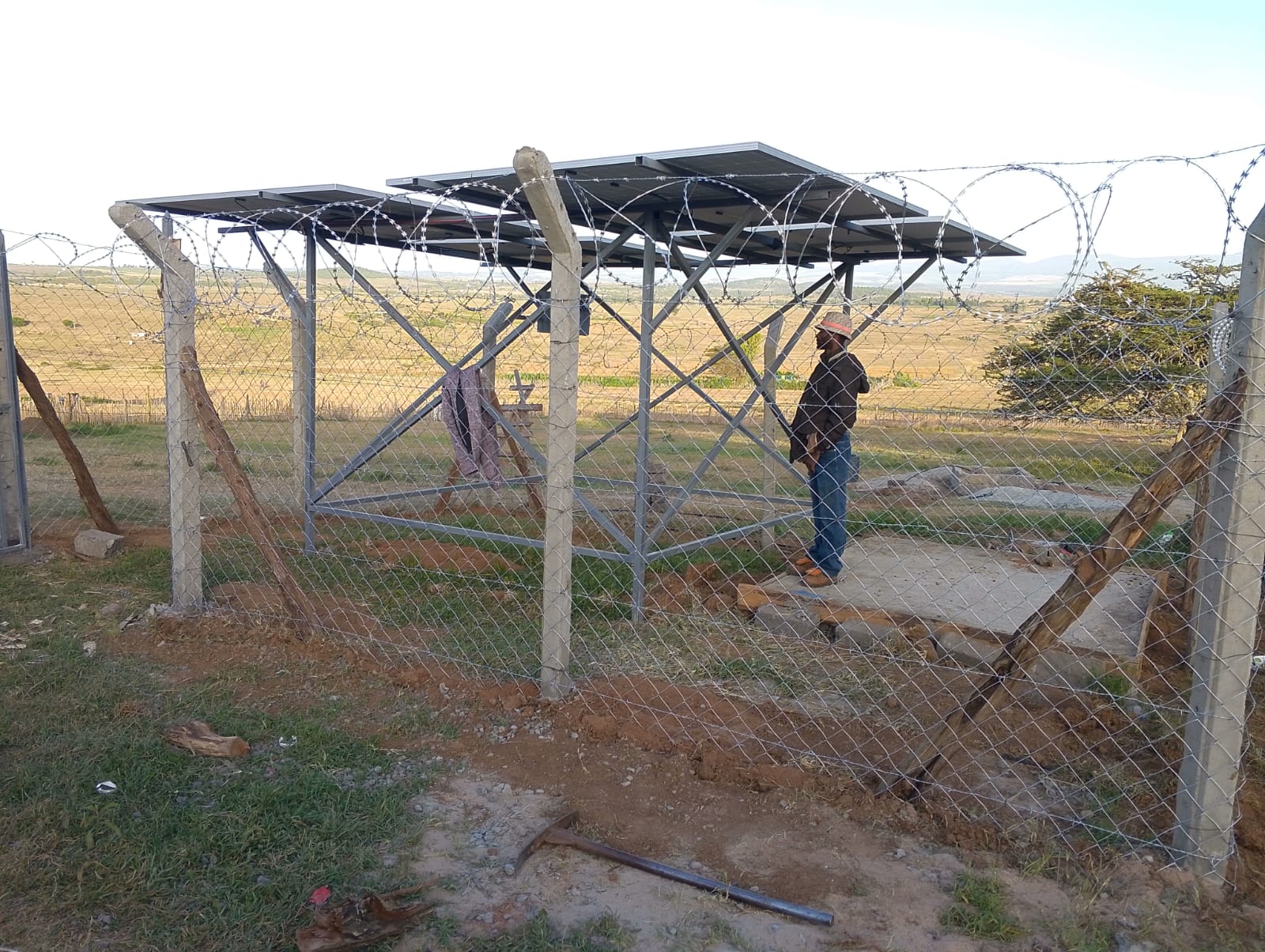
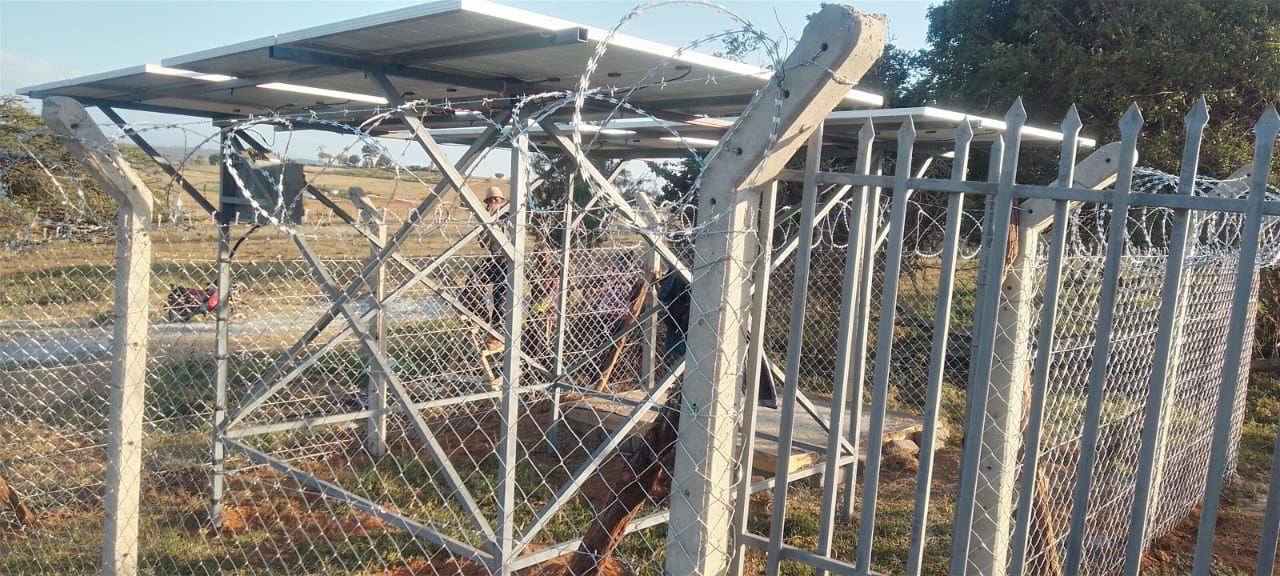
Solar panels going up — equipping for the long term
James Hillencamp's funding covered not just the hole in the ground, but a complete solar pumping system built to run for decades.
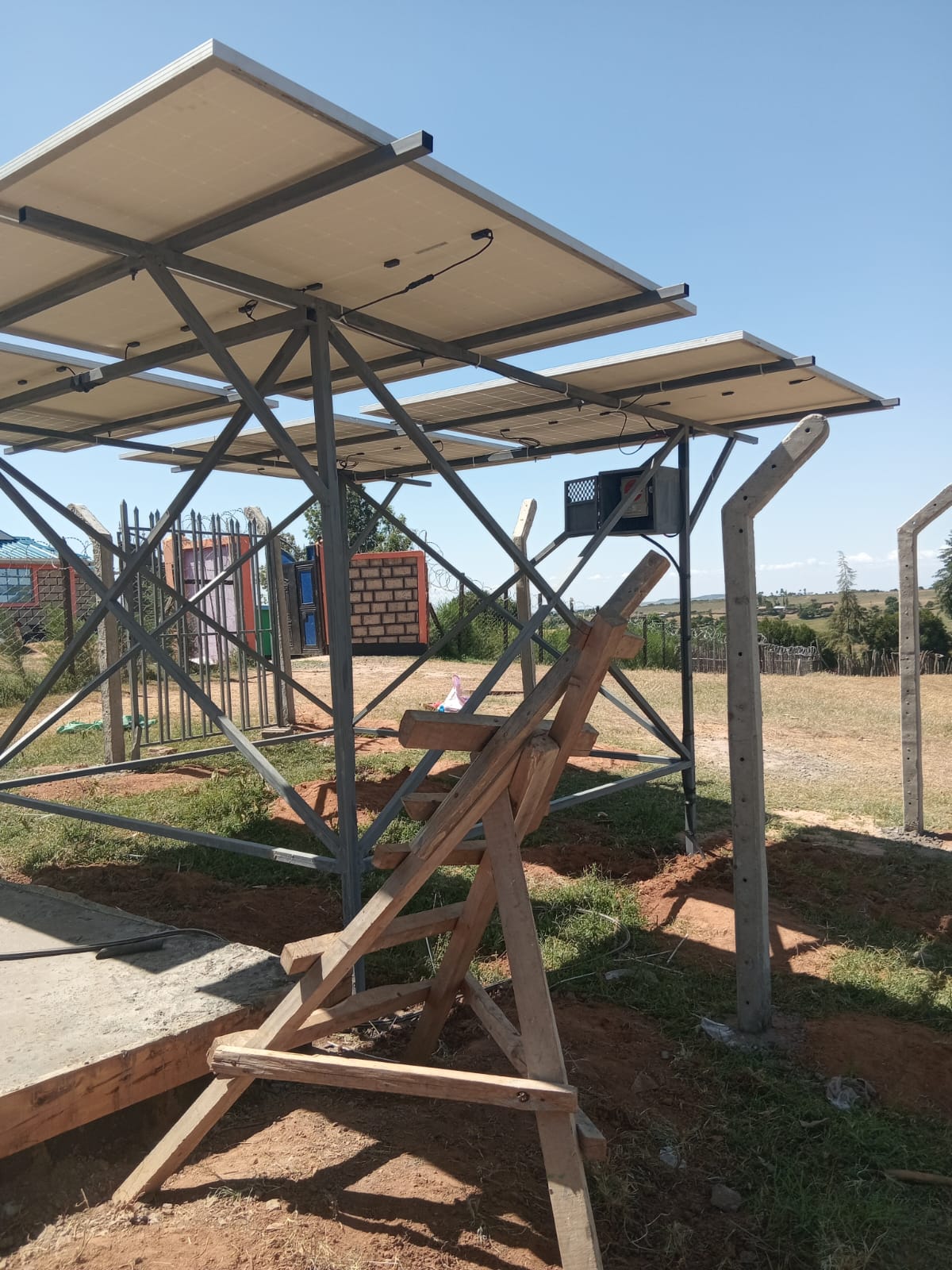
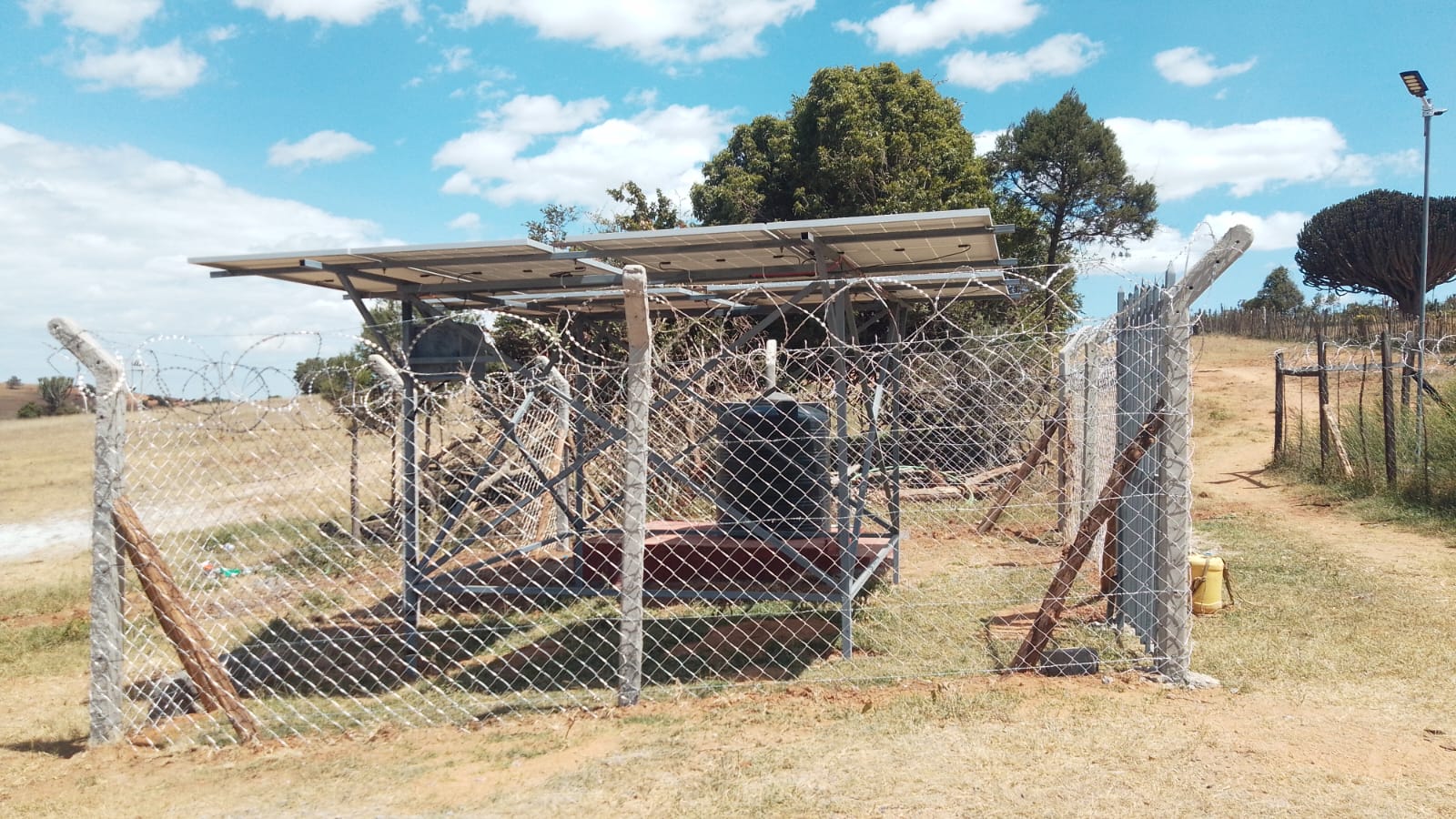
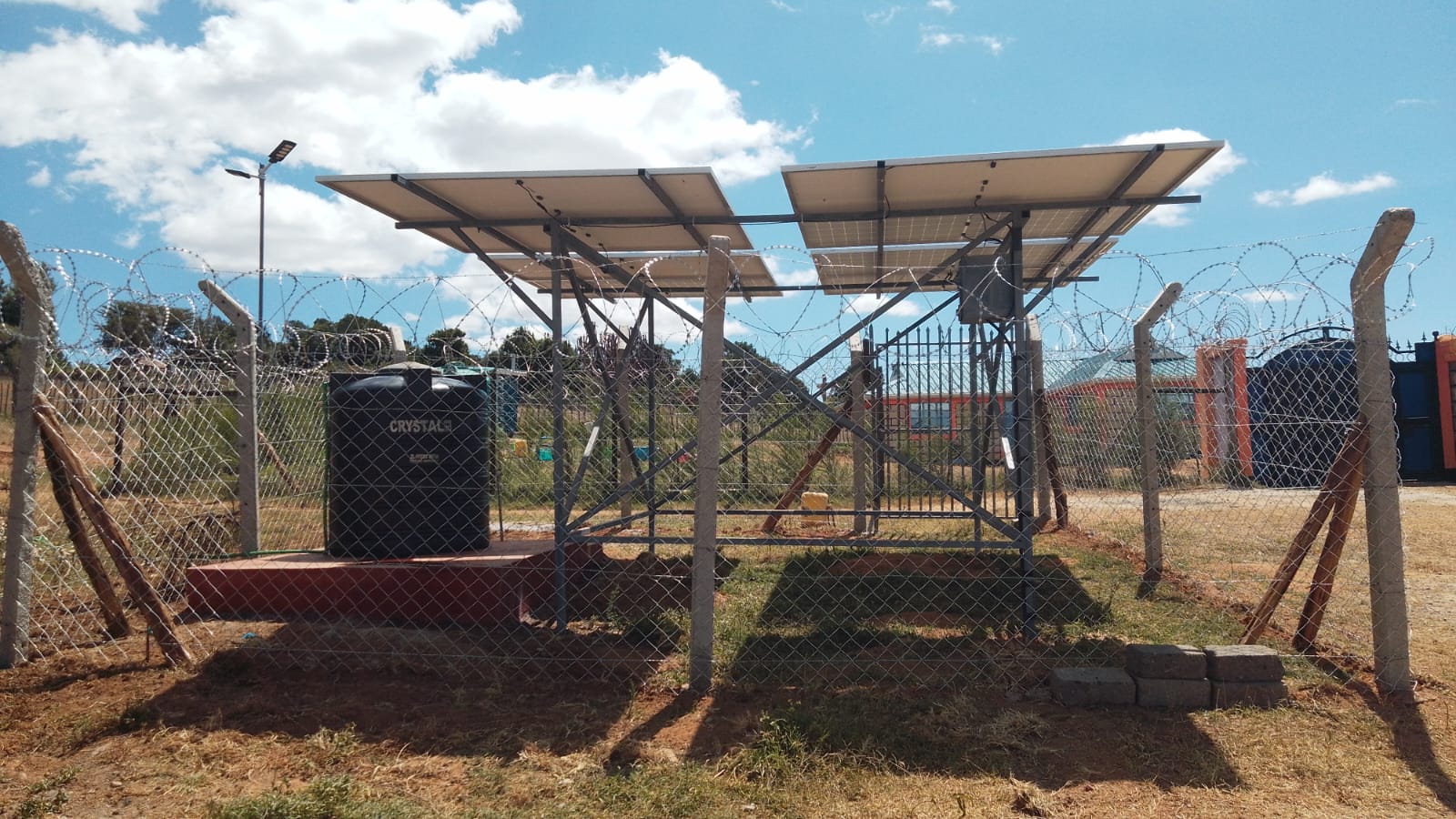
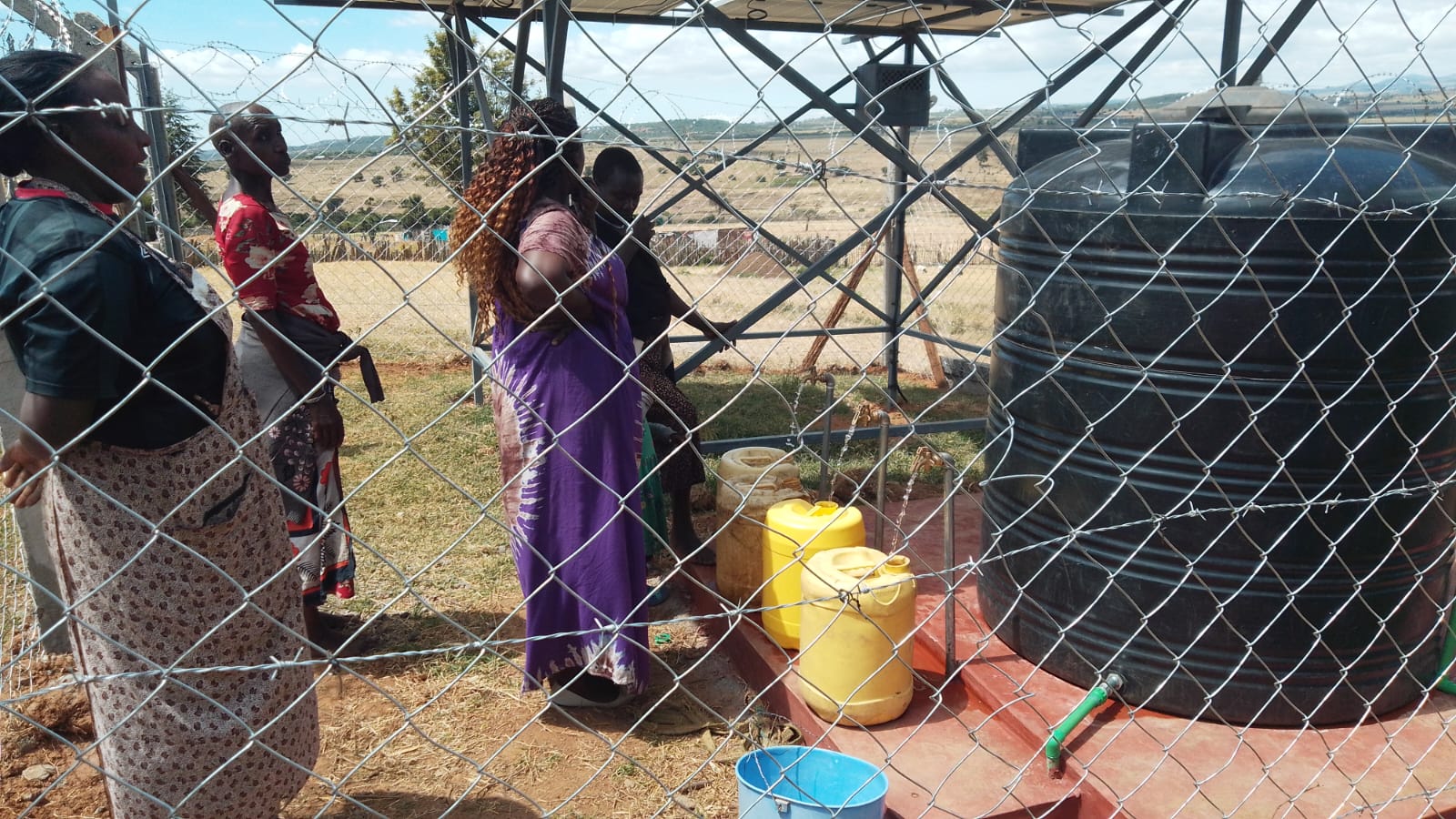
The finished system — fenced, solar-powered, community-owned
What ~$30,000 delivered at Chumvi: a secured water station with storage tank, solar pump, and taps the whole settlement can use.
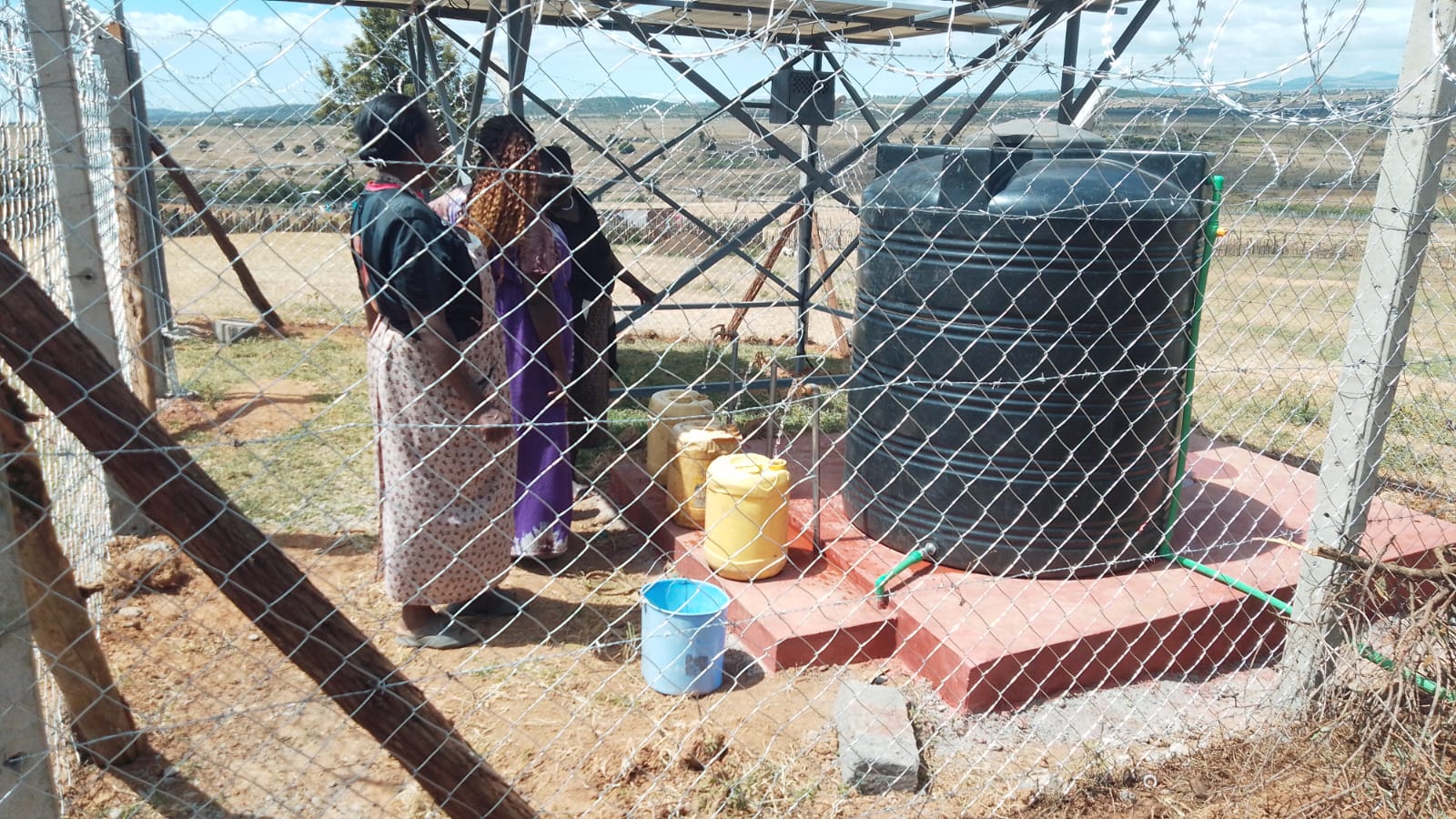
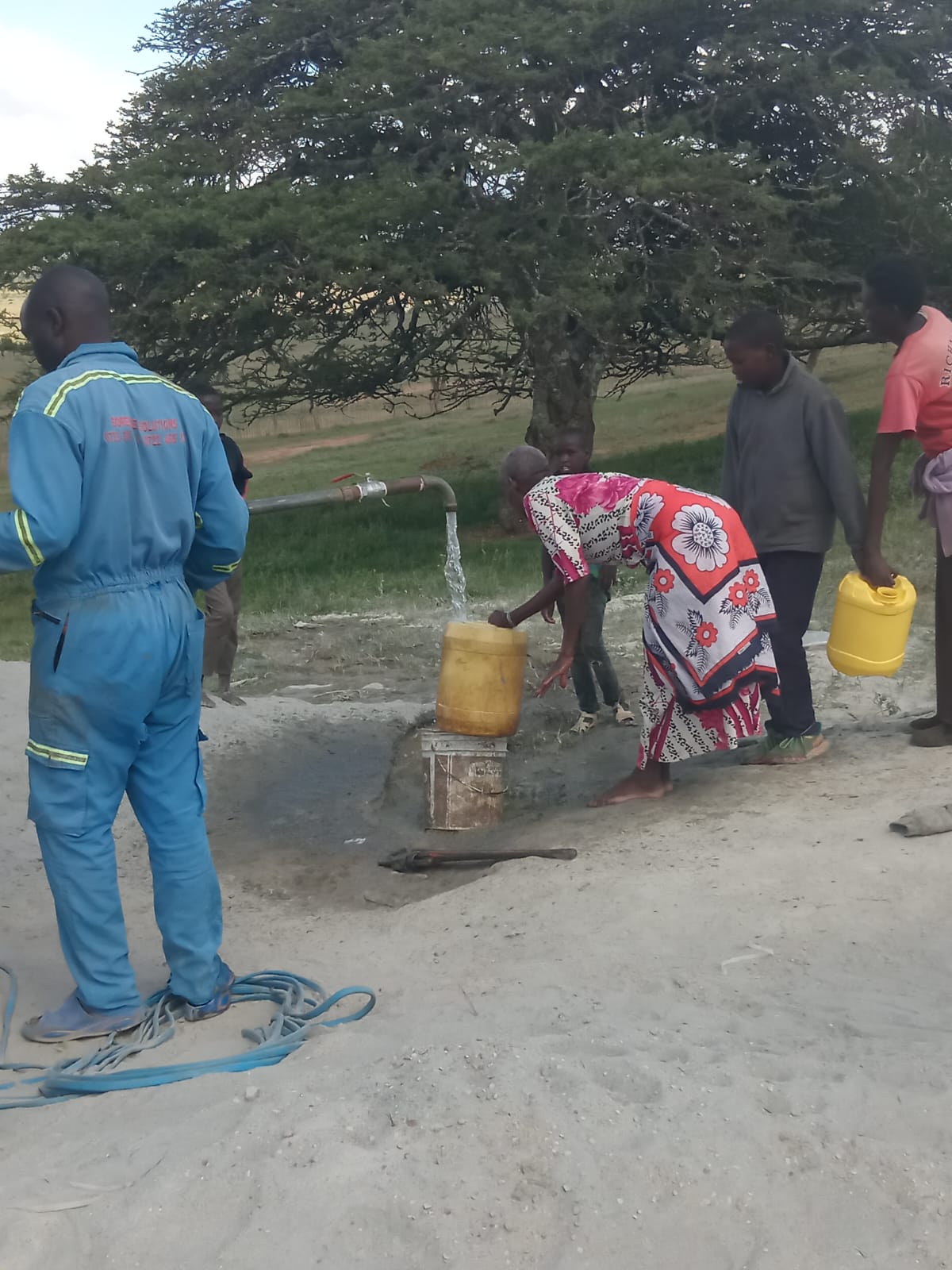
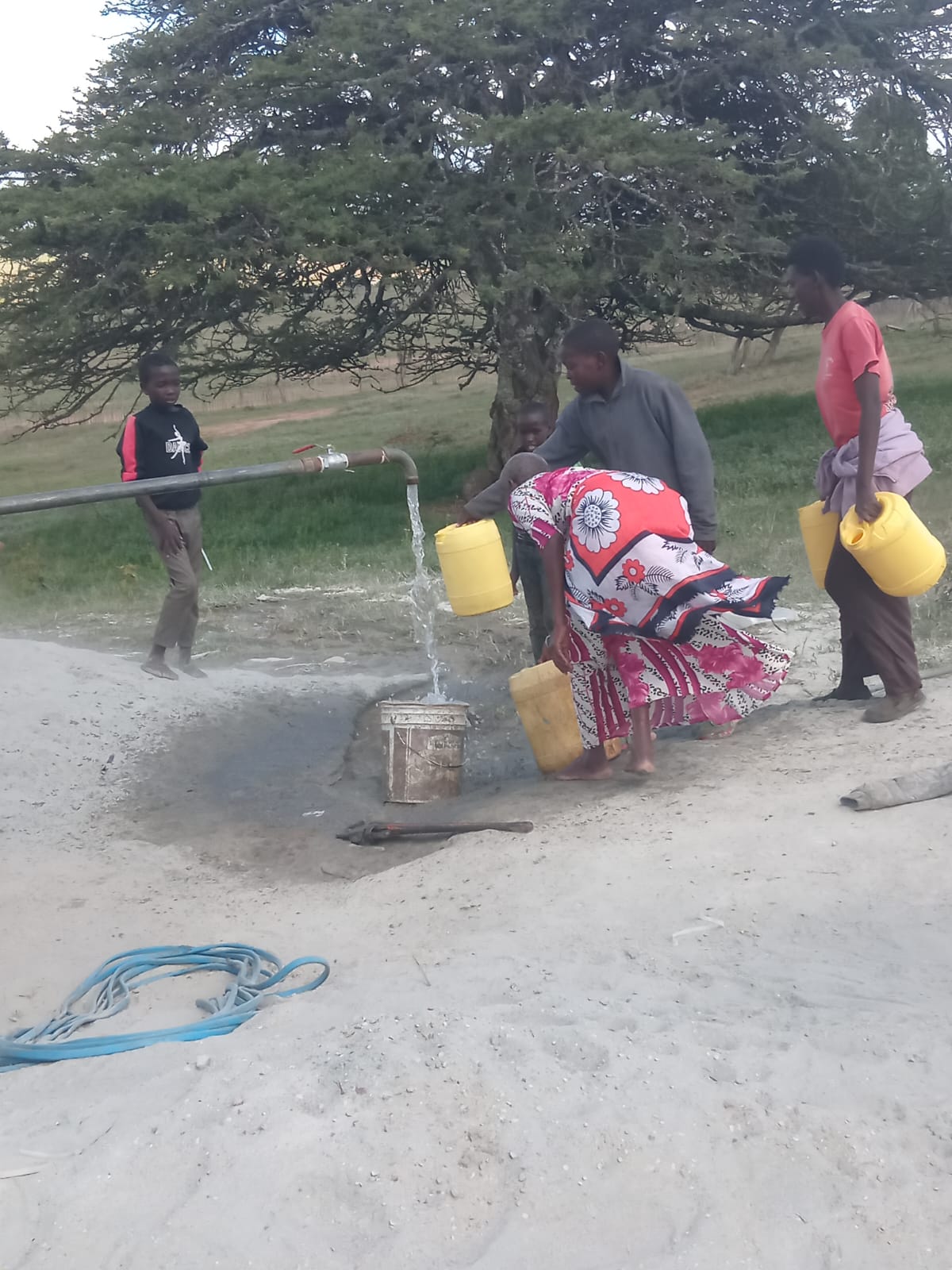
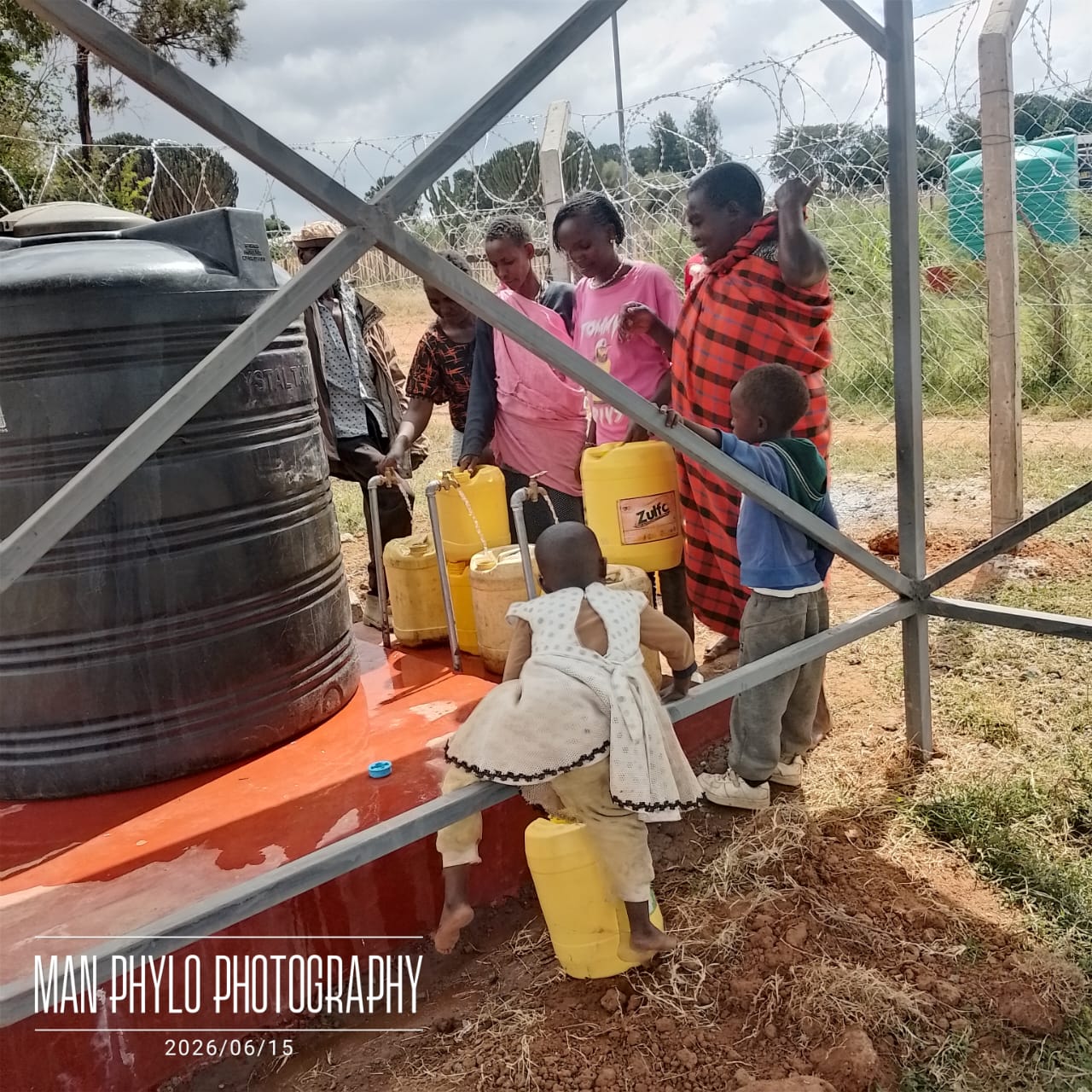
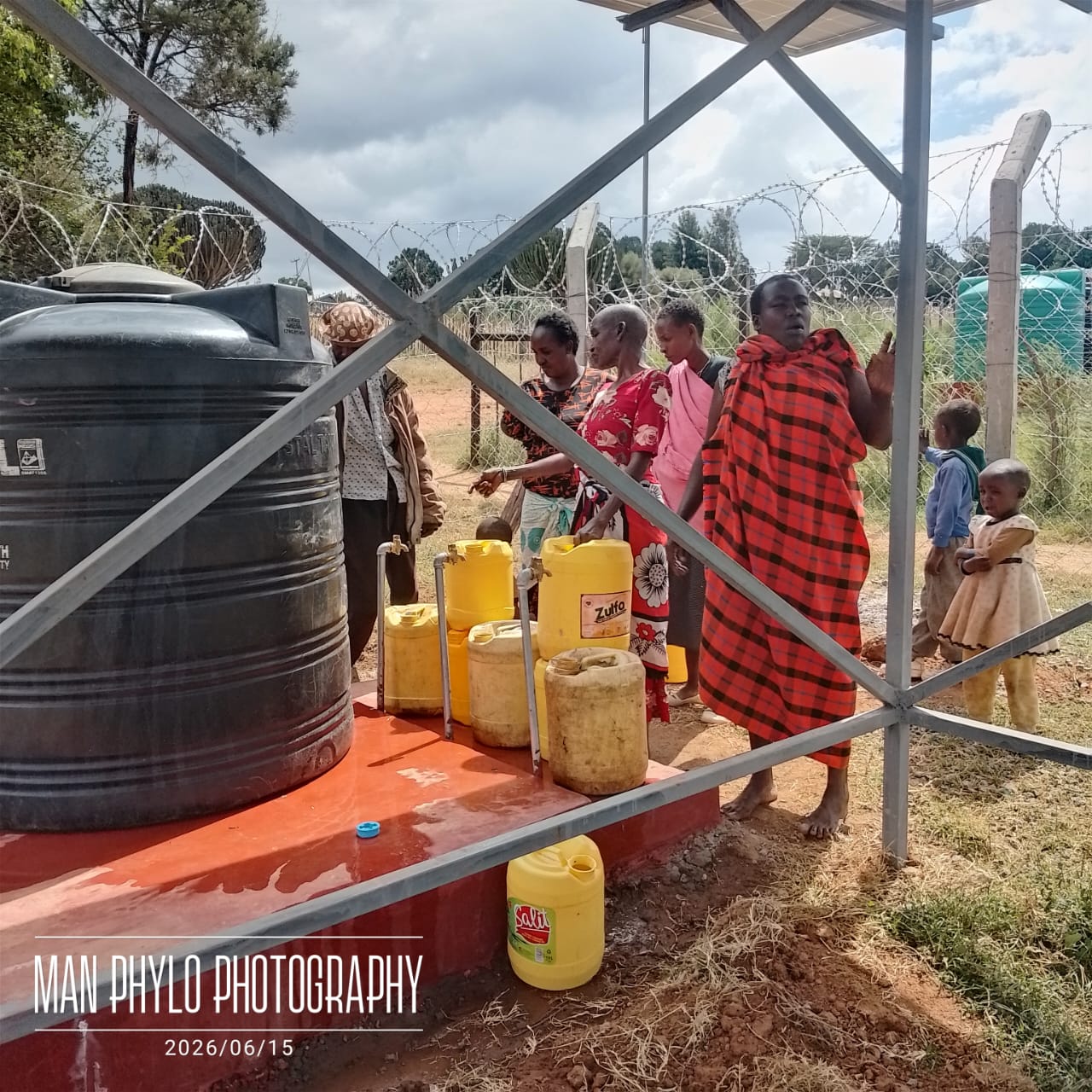
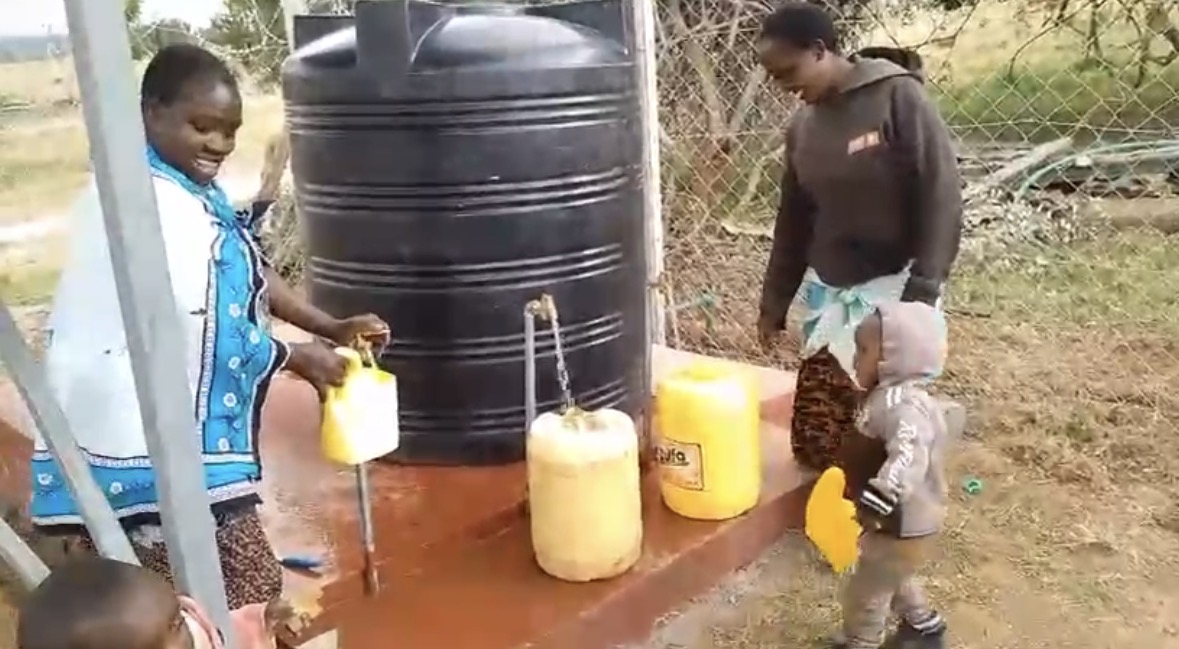
Water flowing — families, children, and livestock sorted
This is the outcome James Hillencamp made possible — and what we can replicate at $5,000 drilling cost once our own rig is funded.
Be the next Chumvi story
James Hillencamp proved what one committed donor can do in the driest corner of Laikipia. Help Kisima buy our own drilling equipment so the next project costs $5,000 to drill instead of $30,000 — and six communities get water for the price of one. Read the full Chumvi project page →
Chumvi proved it works — now we scale it
The photo story above is not a promise — it is completed work, funded by James Hillencamp and delivered by Kisima in one of Laikipia's driest zones. We have done the same in other counties:
- Chumvi, Laikipia — 275 m · 3.2 m³/hr · ~$30,000 donor-funded · James Hillencamp
- Ngatataek, Kajiado — 220 m community borehole for pastoral families, schools, and livestock
- Suguta Marmar, Laikipia — deep drilling in volcanic, drought-prone terrain
Own our rig → drill at ~$5,000 running cost → replicate Chumvi across Turkana, Wajir, Marsabit, and every county on our waiting list.
How international donors can help
Whether you are an individual, diaspora group, church, foundation, or corporate CSR team, here is how to get involved:
- Fund the equipment — contribute toward the $300,000 drilling rig goal (any amount helps).
- Sponsor a community borehole — $5,000 covers drilling at running cost once the rig is owned; add equipping separately.
- Sponsor a full project — ~$30,000 funds a complete community borehole like Chumvi (James Hillencamp's gift); with our own rig, $5,000 covers drilling and you add equipping.
- Connect us to your network — introduce Kisima to NGOs, Rotary clubs, or faith groups working in East Africa.
We provide photos, GPS coordinates, yield reports, and handover documentation for every community project — the same transparency we deliver to our existing donor partners.
Help us put a drilling rig where drought hits hardest
One machine. Seventy-five boreholes in the first cycle. Zero profit on community work. Talk to Kisima today about funding the rig or sponsoring a village borehole.