James Hillencamp · Florida, USA 3.2 m³/hr yieldChumvi · Laikipia CountyMaasai community · 500 members
275 metres deep — water where Chumvi had only dry holes
In the Chumvi area of Laikipia County, most boreholes die dry. Rain is scarce, recharge zones are few,
and families walk long distances for domestic clean potable drinking water and water for livestock.
James Hillencamp funded Kisima to drill a Maasai tribal community borehole in this tricky ground — past dry aquifers to
275 metres, with the first real strike at 200 metres and a confirmed
3.2 cubic metres per hour. The community is sorted. Next: James is
working to secure six acres for drip irrigation and joint agricultural production.
275mDrilled depth
3.2m³/hr yield
JamesHillencamp · Florida
SolarCommunity equipping
275m
Total depthFirst aquifer at 200m · 3.2 m³/hr at test pump
How a photography safari became lasting water for Chumvi
In the Chumvi area of Laikipia County, most boreholes die dry. Rain is scarce, recharge
zones are few, and families walk long distances for domestic clean potable drinking water
and water for livestock. James Hillencamp, while traveling last November on a photography
safari, discussed with his Maasai tribal guide, Philip Kenyaga, the hardships within his
village of 500 Maasai members. No electricity nor safe potable drinking water was
available. He then met with an Engineer within a local Conservancy and discussed the
process and feasibility of self-funding a borehole project in Philip's community.
Once back stateside, James researched and corresponded with ten companies recognized
as the best credentialed borehole well drilling companies in Kenya. Of those, he then
narrowed down the list to four companies, each of which James then contracted to
conduct four independent surveys seeking the optimal borehole drill sites.
James has a longtime Geologist friend that owns a borehole well drilling company in South
Florida with extensive business throughout the Caribbean Islands, Ghana, South America
and South Florida. Together they evaluated the four surveys and chose Kisima Well Drillers
because our survey report was much more detailed than the others, giving confidence as
to our site location and a successful well with clean potable water.
James then asked the four companies chosen to provide multiple proposals for the
following;
Governmental agency licenses.
Borehole drilling, steel casings, independent lab water tests.
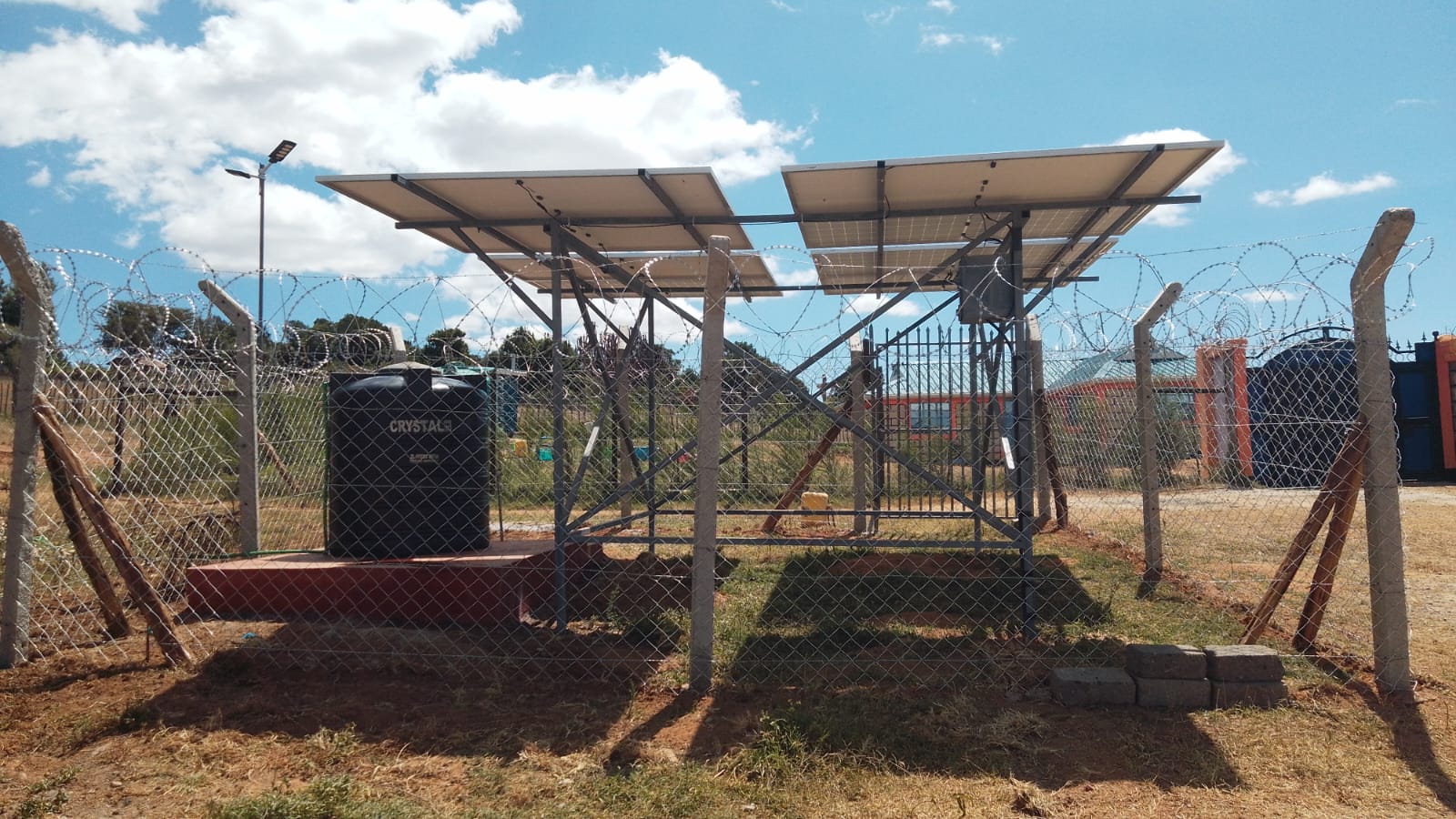
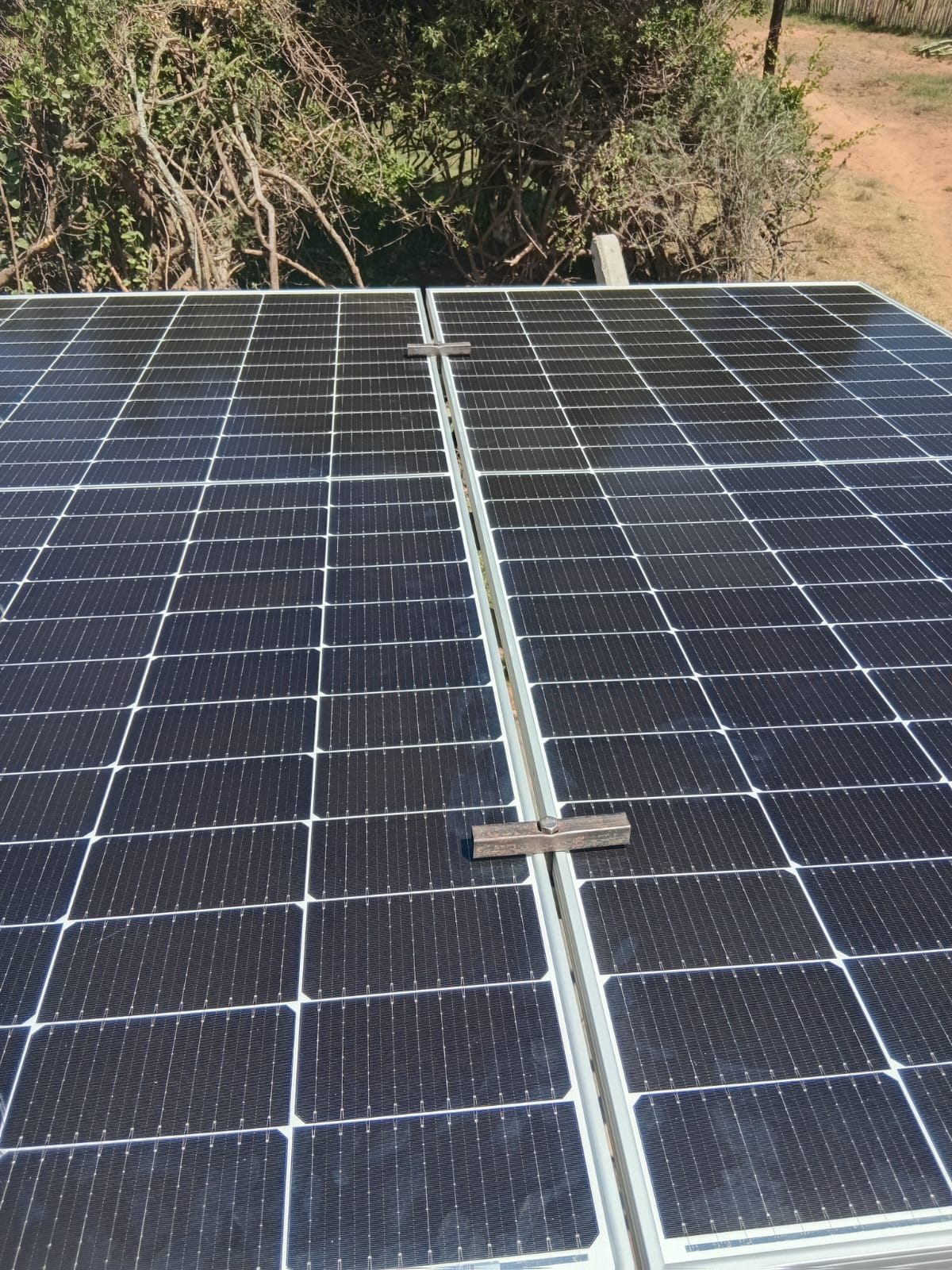
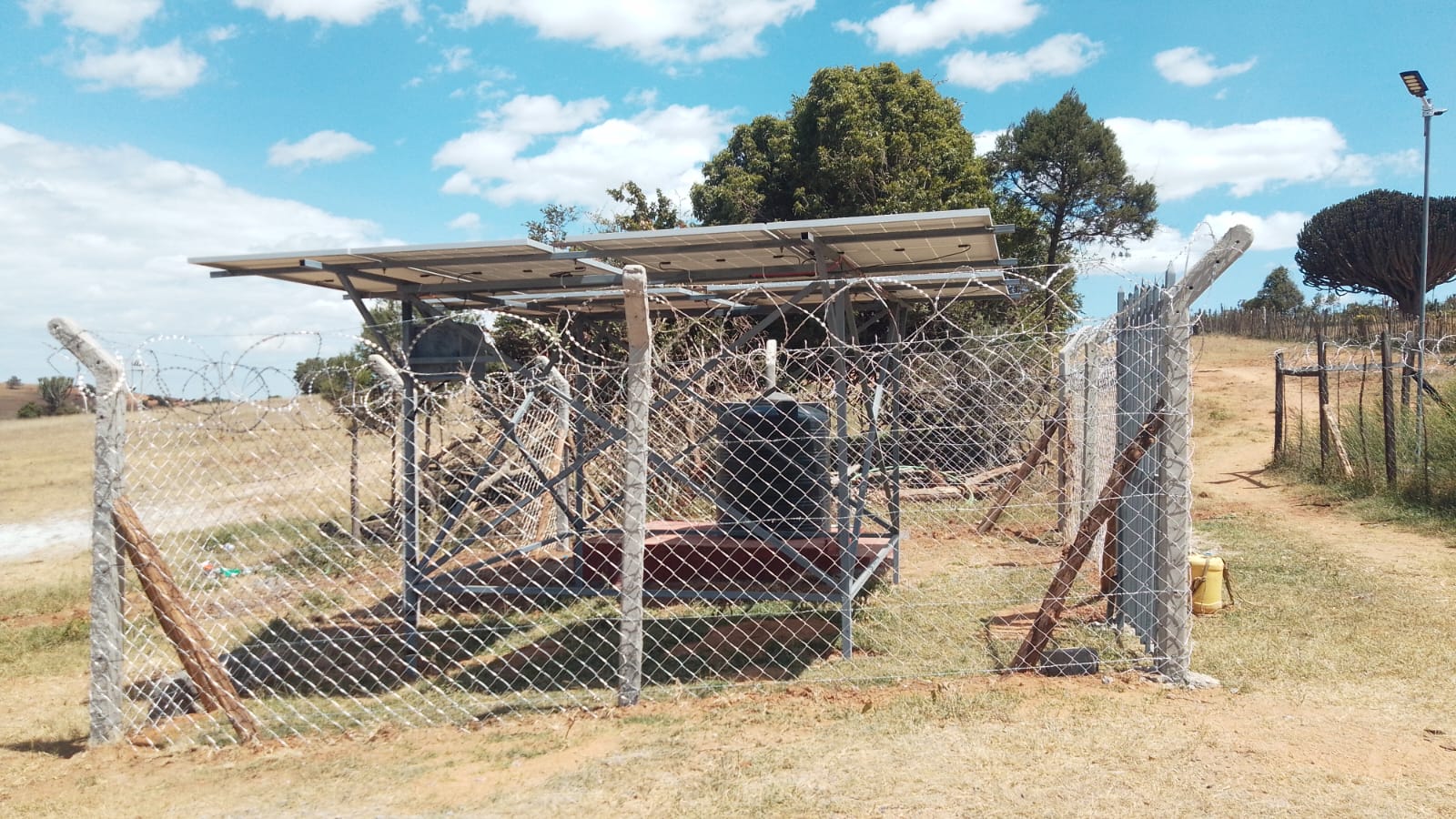
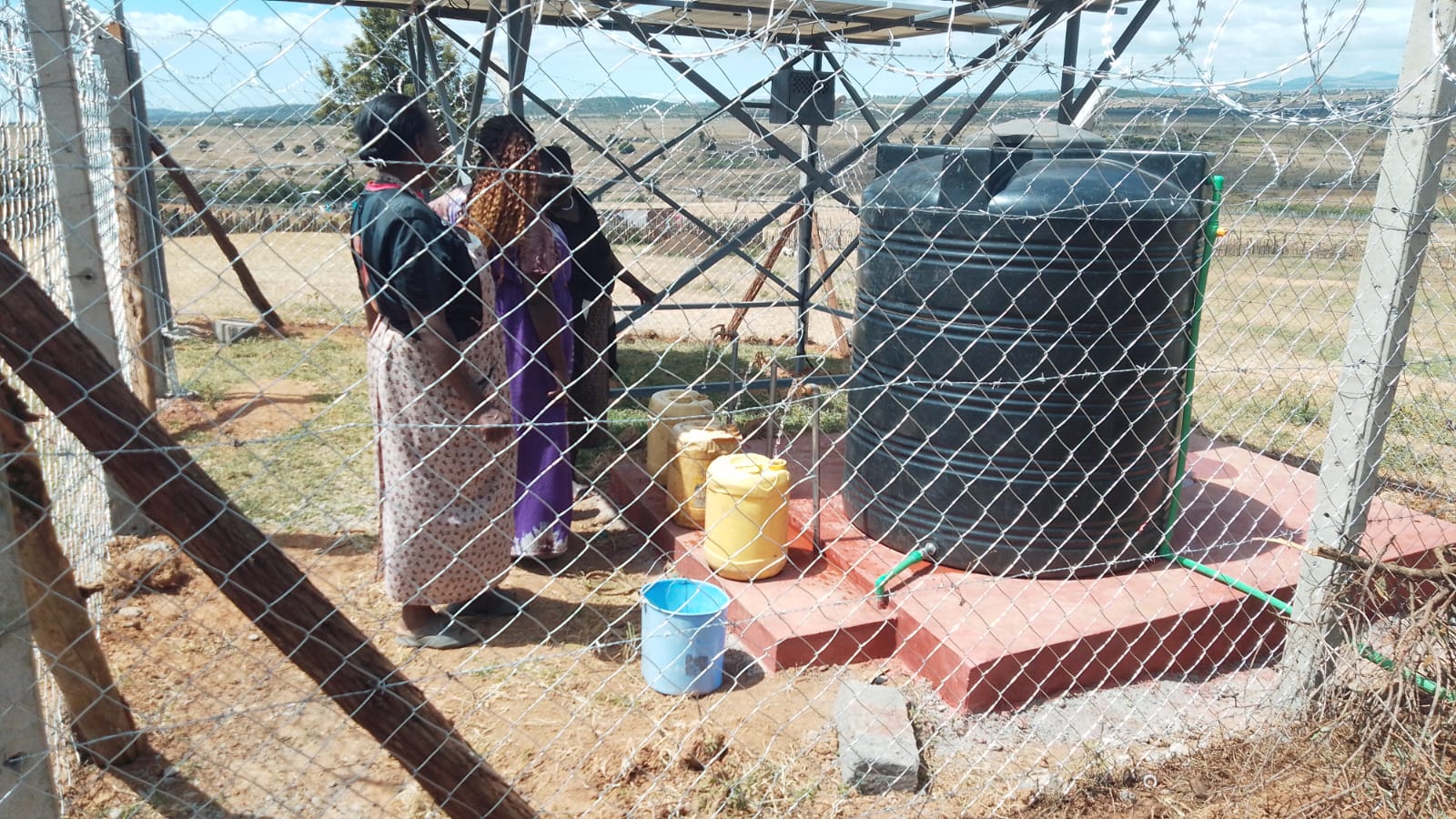
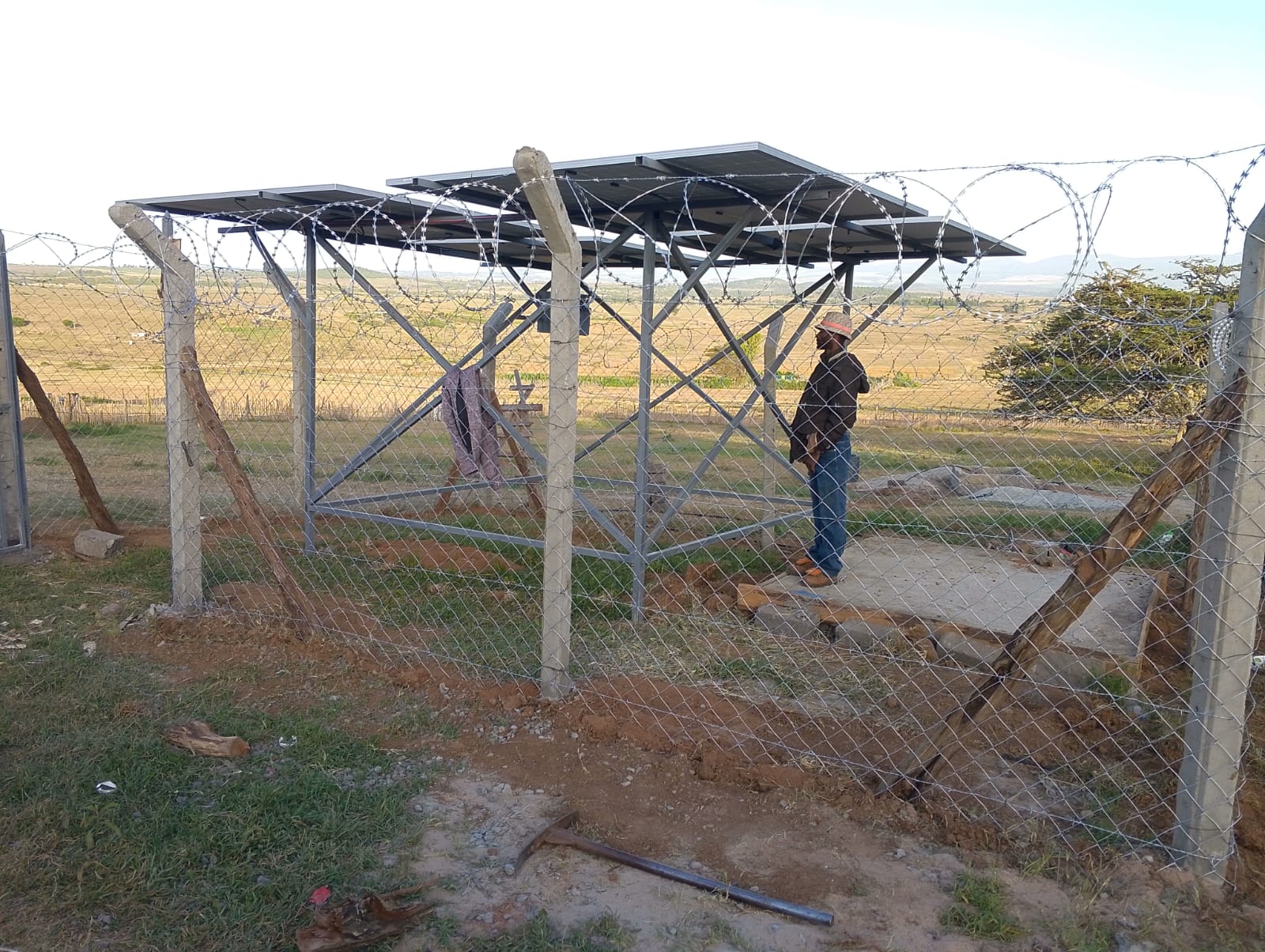
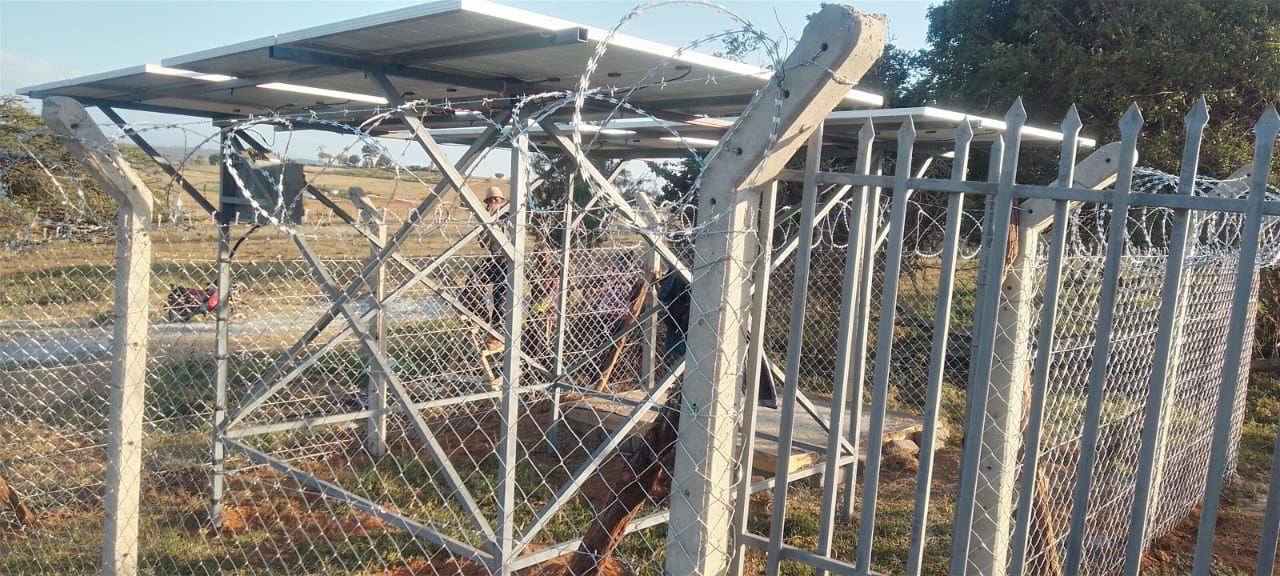
Solar panels and framework, submersible pump equipment, water storage tank with multiple water taps.
A security fence with gate and Solar powered floodlights.
All four companies can provide quality work. However, as James has stated, Kisima Well Drillers
again provided the most detailed proposals with direct verbal communication and
pictures throughout the project's work and completion.
James then funded Kisima to drill a Maasai tribal community borehole in this tricky ground
— past dry aquifers to 275 metres deep, with the first real strike at 200 metres and a
confirmed 3.2 cubic metres per hour result. The community is sorted!
Next, James is working to secure six acres of land for drip irrigation and joint agricultural
production for the Maasai community. This will additionally require a six-metre-high water
tower with two 10,000 litre storage tanks that will gravity feed the drip irrigation equipment.
With deep gratitude · Florida, USA → Laikipia, Kenya
Thank you, James Hillencamp
Chumvi sits in one of the driest parts of Laikipia County — where borehole after borehole fails shallow.
James Hillencamp, an American donor from Florida, believed this community deserved a real chance:
he funded Kisima to survey, drill to
275 metres, case the hole, test pump at 3.2 m³/hr, and equip a
solar-powered community water station that families, schools, and livestock depend on today.
James is now working to secure 6 acres for joint community farming —
drip irrigation is the next chapter, with water finally on site. From everyone at Kisima and the Chumvi community: thank you for choosing lasting water over a short-term fix.
Before James Hillencamp & Kisima
Long walks. Dry boreholes. No relief.
Chumvi families and pastoralists travelled far daily — water for drinking, cooking, washing, and
animals — with no guarantee of quantity or quality.
Neighbouring boreholes often drilled dry or had weak aquifers
Few reliable recharge zones in this part of Laikipia County
Seasonal stress on women, children and livestock handlers
After 275m · 3.2 m³/hr
Water at the centre. Community sorted.
The borehole gives the community a shared source — domestic use and livestock
without the old distances. James Hillencamp made that possible.
Central community water point for households
Livestock watering without trekking to distant streams
3.2 m³/hr — enough to plan ahead, not just survive the day
Next phase: six-acre drip farming — land securing in progress
The descent
Down through dry ground — metre by metre
Chumvi is not a county where you drill 80 metres and celebrate. Kisima logged every
interval — dry passes, first moisture at depth, and the necessary push to 275 metres where
the borehole finally delivered clean potable water.
Surface · 0m
Arid Chumvi — tricky reputation
Laikipia’s Chumvi area: low rainfall, limited recharge, and a landscape littered with
dry or failed boreholes. Survey and donor commitment came before rig mobilisation —
the community could not afford another empty hole.
Shallow · <100m
Dry passes — where most boreholes stop useless
Many attempts in the region never reach a productive zone. Cuttings stay dry, yields never come,
and funds are lost. Our programme planned for depth from day one.
200m · First aquifer
First aquifer strike — hope at two hundred metres
At 200 metres, the formation changed: the first aquifer was hit.
In Chumvi, that moment is everything — proof that water exists below the dry horizons that defeat
shallower drilling. Logging continued to secure a sustainable completion depth.
275m · Final depth
275m completed — 3.2m/hr confirmed
Drilling and test pumping confirmed 3.2 cubic metres per hour — a community-scale
yield in one of the hardest hydrogeological neighbourhoods we work. Casing, development, and equipping
turned a deep hole into a community asset.
Drilling & equipping specification
Chumvi community borehole — full project scope
James Hillencamp asked four shortlisted drillers for detailed proposals across four work packages.
Below is what Kisima delivered on site — from permits and survey through drilling, equipping, and security.
01
Governmental agency licenses
WRA borehole drilling permit, discharge authorisation, and NEMA-aligned environmental compliance for a community-scale abstraction in Laikipia County.
02
Drilling, steel casing & lab tests
Hydrogeological survey (selected from four independent site surveys), rotary mud drilling to 275m, welded steel casing programme, borehole development, test pumping at 3.2 m³/hr, and independent laboratory water quality testing for potable use.
03
Solar equipping & distribution
Solar PV panels and steel framework, submersible pump equipment sized to confirmed yield, elevated water storage tank, and multiple community distribution taps for households, schools, and livestock.
04
Security fence & lighting
Perimeter security fence with gated access and solar-powered floodlights to protect the community water asset after dark.
Chumvi · Maasai Community BoreholeKWD · LAIKIPIA · COMMUNITY DUTY · 275M
275 mTotal drilled depth
3.2 m³/hrTest-pumped yield
200 mFirst aquifer strike
500Maasai community members
8″Drilled hole diameter
SteelCasing & headworks
SolarPV array & framework
SubmersiblePump equipment
Multi-tapCommunity distribution
Lab testedIndependent water quality
FencedGate & solar floodlights
WRALicences & permits
Next phase — drip irrigation (land securing in progress)
6 acresJoint community farming land
6 mElevated water tower height
2 × 10,000 LGravity storage tanks
DripGravity-fed irrigation lines
Partnership
James Hillencamp · Philip Kenyaga's Maasai community
This was never a private farm borehole. It was built for a village of 500 Maasai members who shared the cost of thirst — and for
James Hillencamp, who wanted lasting impact, not a photo opportunity.
James Hillencamp · Florida, USA
After a photography safari with his Maasai guide Philip Kenyaga, James returned stateside,
commissioned four independent hydrogeological surveys, and chose Kisima for the most detailed report and proposals.
He funded professional drilling in a zone where dry aquifers are normal — accepting the risk of depth to 275m.
He is now working to secure six acres for the Maasai community
to run joint agricultural production, with a planned six-metre water tower and
two 10,000 litre tanks feeding drip irrigation.
The Chumvi Maasai community
A tribal village of 500 members with no electricity and no safe potable drinking water before this project.
Families who walked long distances for domestic water and herders who moved livestock
toward distant points can now centre daily life around one reliable borehole. Water for home, water for
animals — and soon, water for crops on shared land.
Next chapter
Six acres ahead. Drip irrigation. Joint community farming.
Water was step one. James Hillencamp is working on step two: securing six acres of
community land for drip irrigation fed from the new borehole — organised
joint production, not scattered subsistence plots.
This will additionally require a six-metre-high water tower with two 10,000 litre storage tanks
that will gravity feed the drip irrigation equipment. At 3.2 m³/hr, the borehole can support careful drip scheduling across six acres once
the land is secured and hydrogeology and storage are managed well — turning Chumvi from a place of dry holes into a place of
planned harvests.
6acres · target · securing land
6 m tower2 × 10,000 L tanks · gravity drip feed
Photo story
From dry ground to flowing water — Chumvi in pictures
Every image below is from the Chumvi community project — drilling, waiting, first flow, solar equipping, and the lives changed because James Hillencamp said yes.
01 Drilling deep where others stop
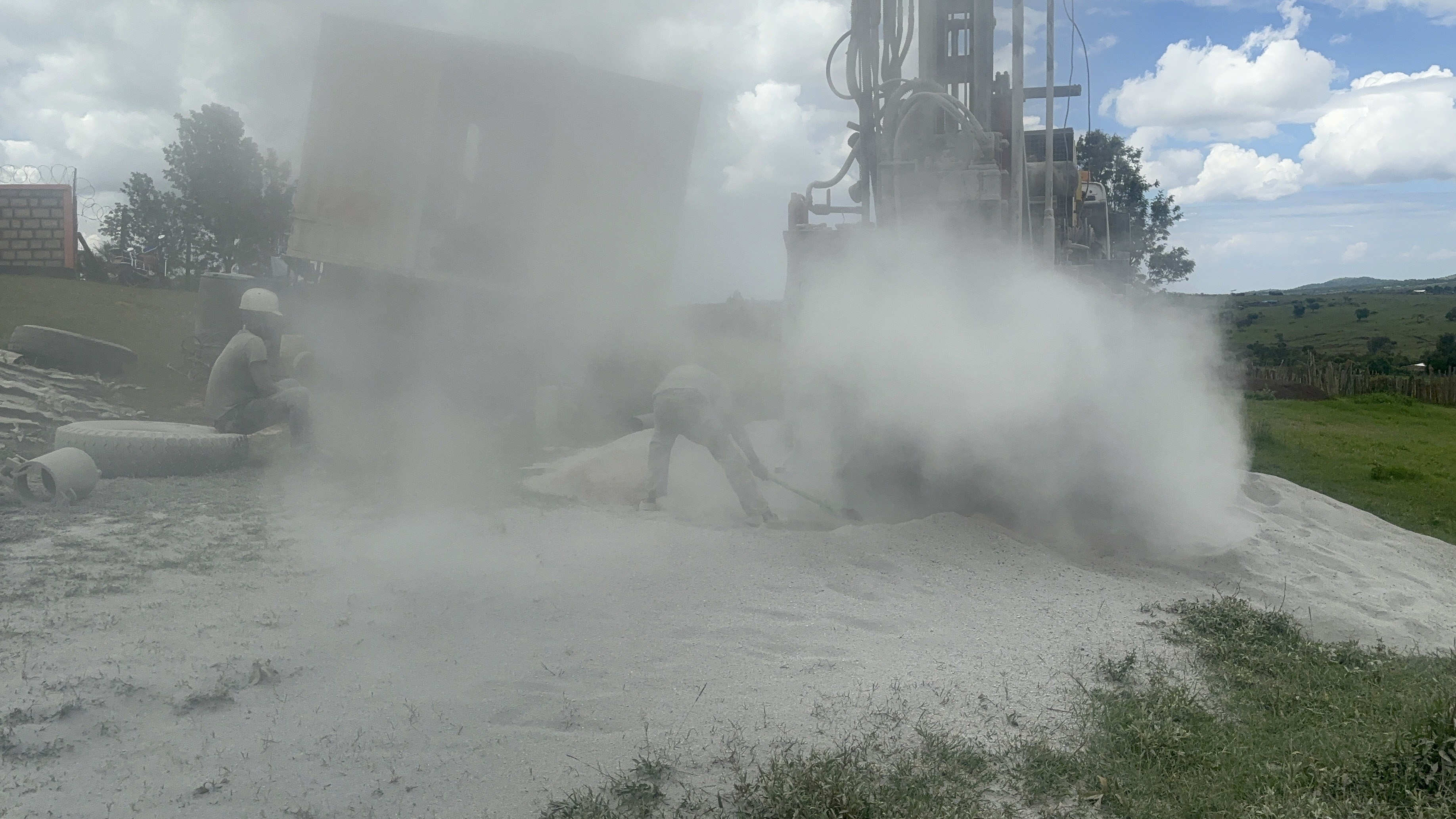
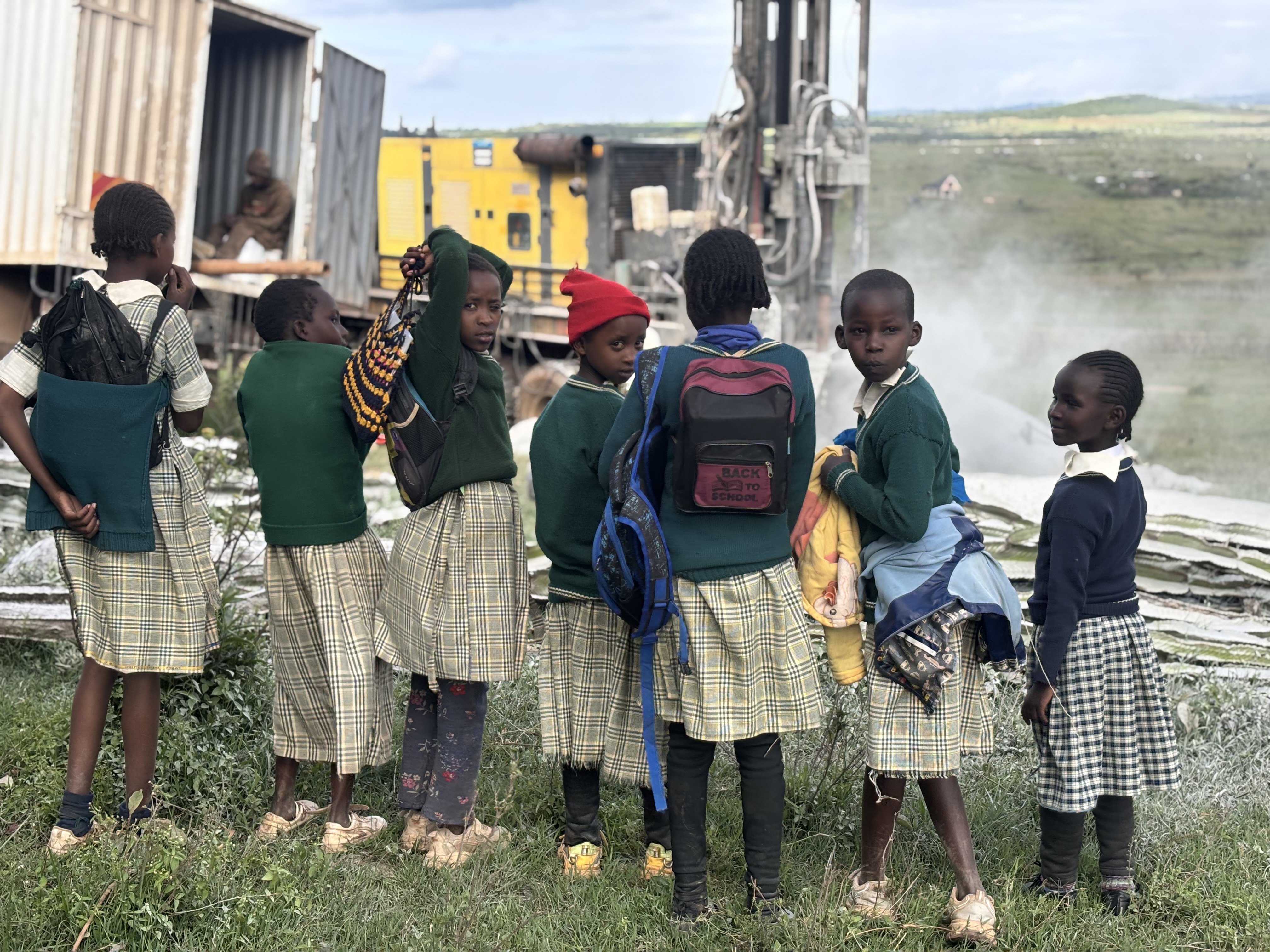
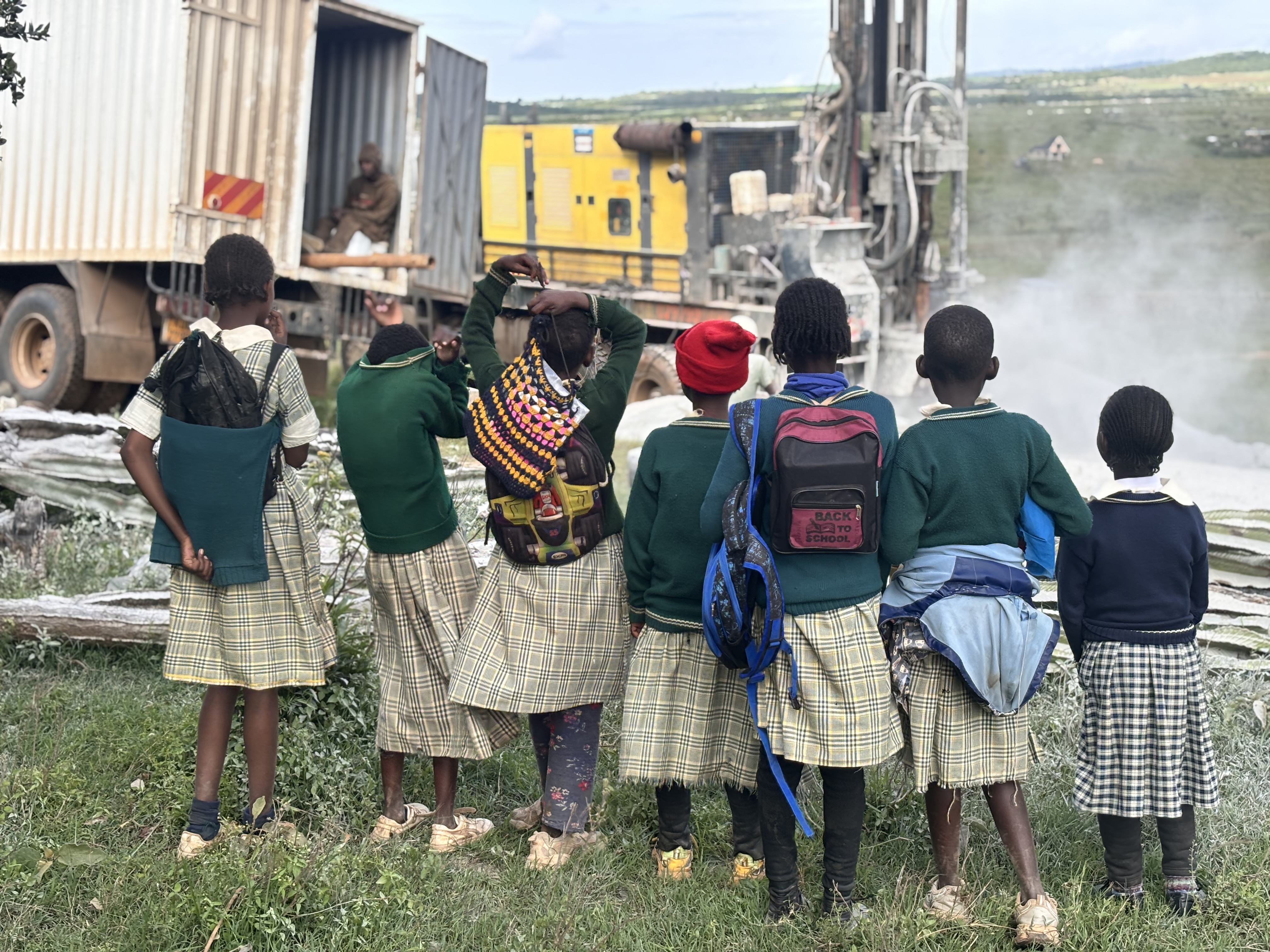
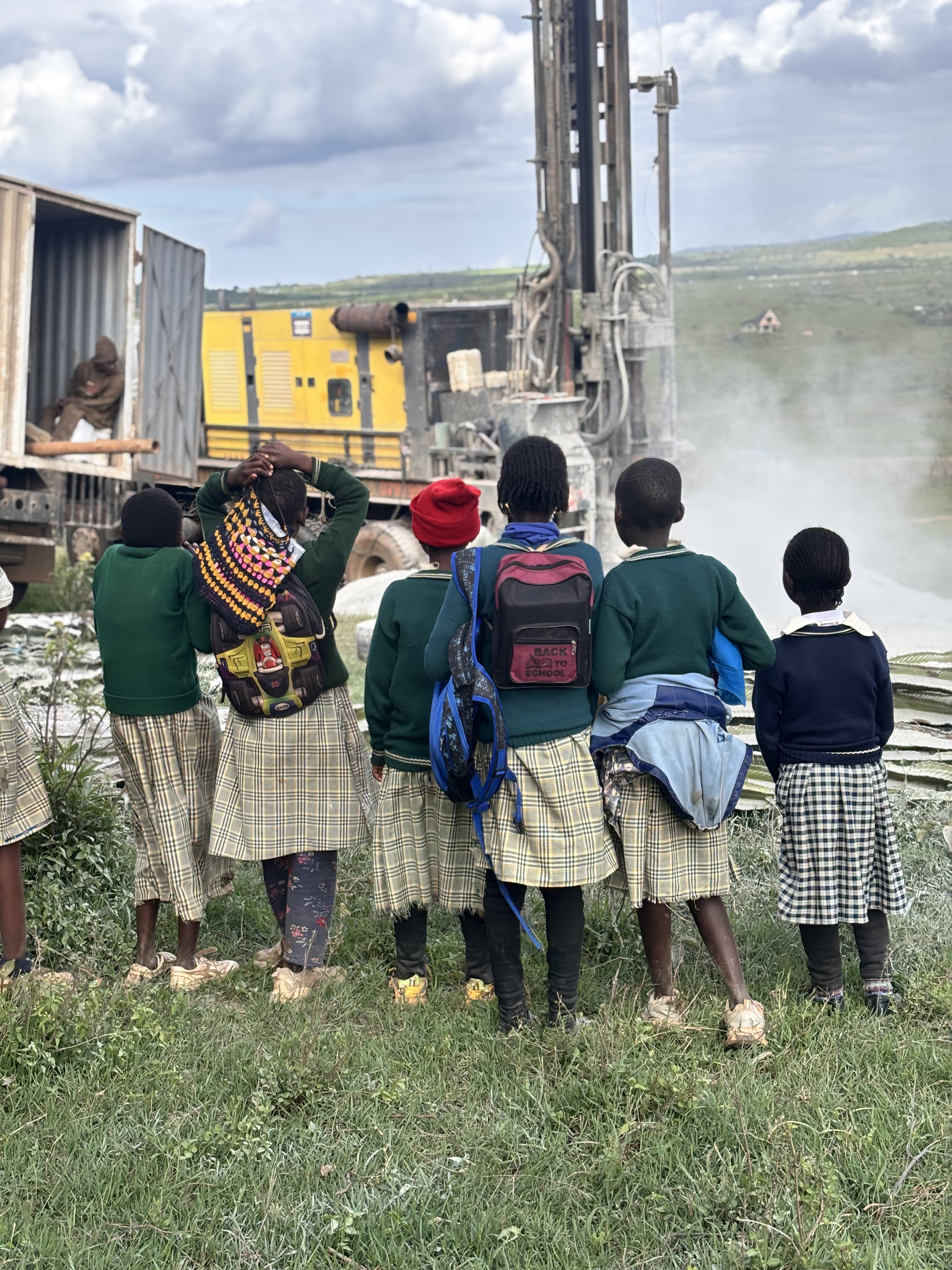
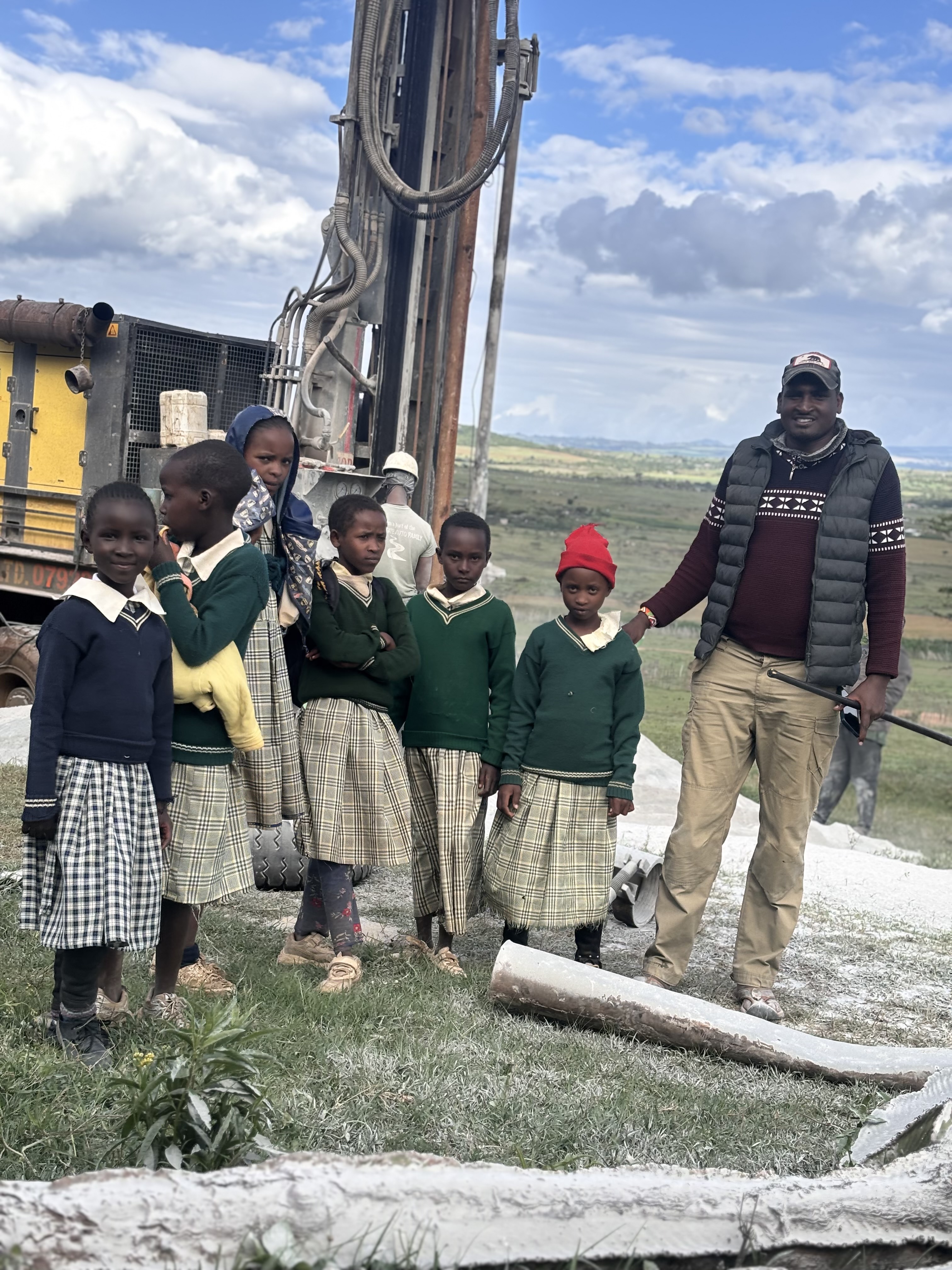
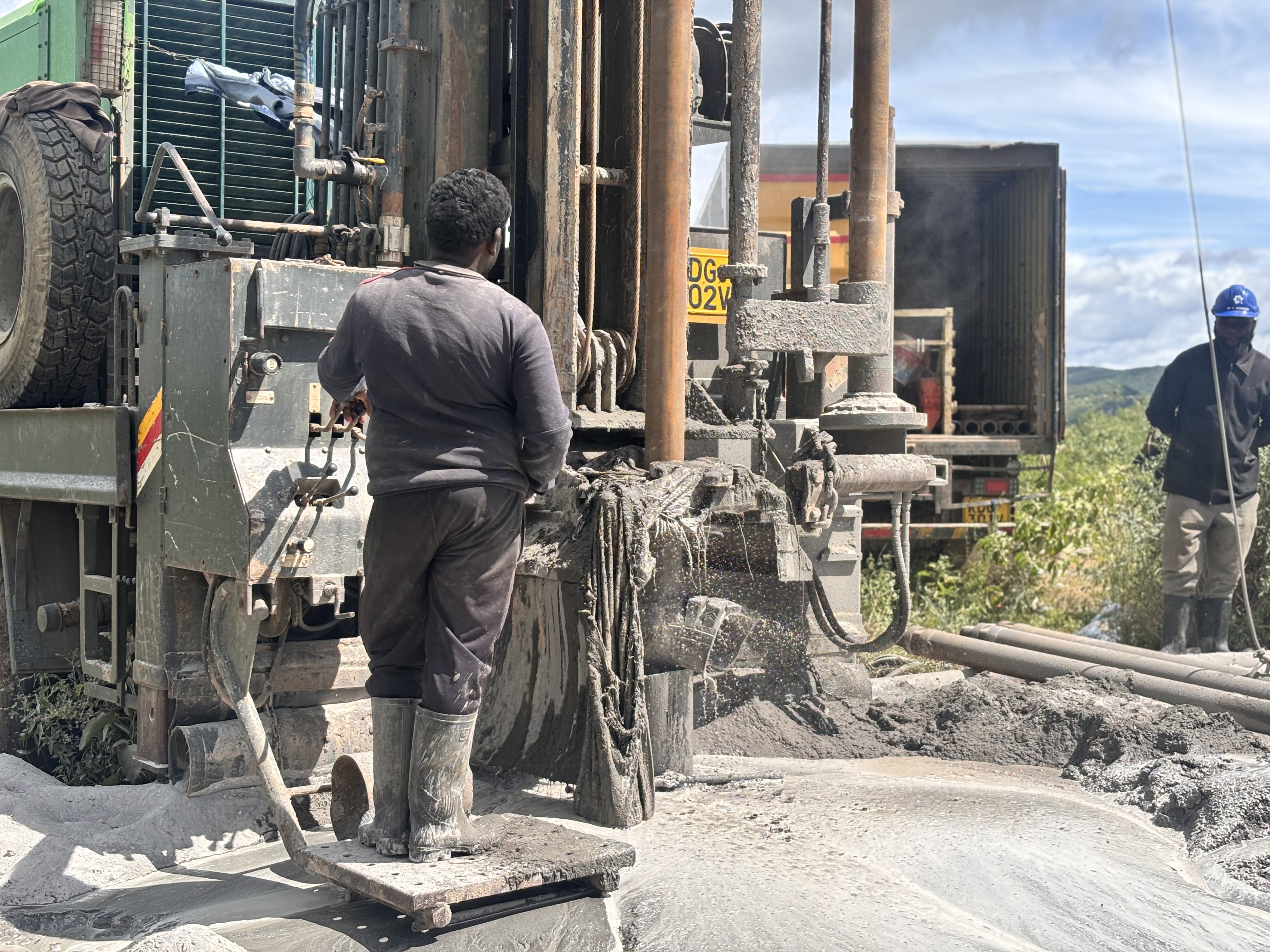
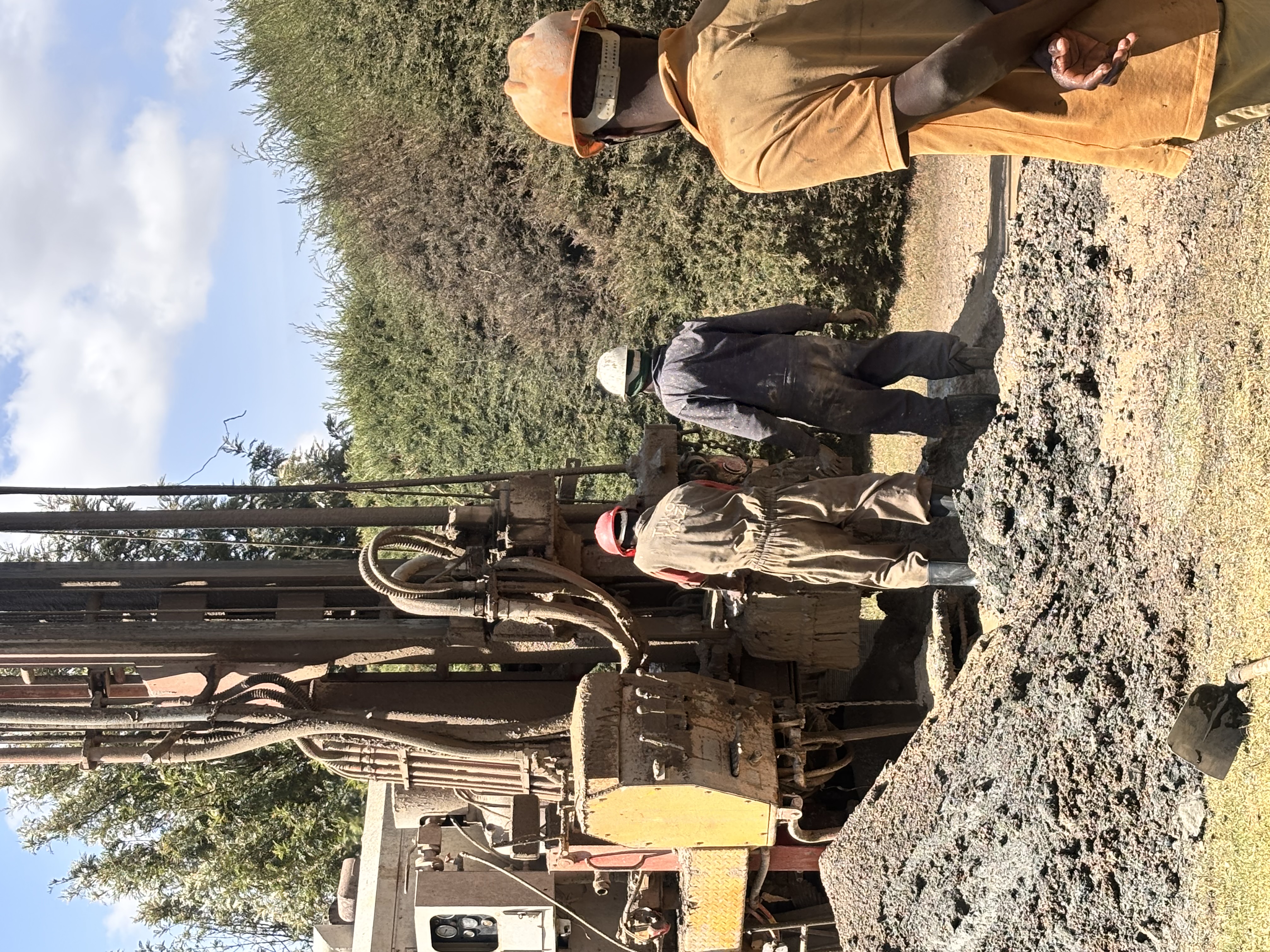
Schoolchildren watched every metre. In dry Laikipia, depth is everything.
Rotary drilling — dust and depth at ChumviSchoolchildren at the siteWaiting for water to be foundThe rig at workCommunity leadership and the next generation
02 Building the borehole right
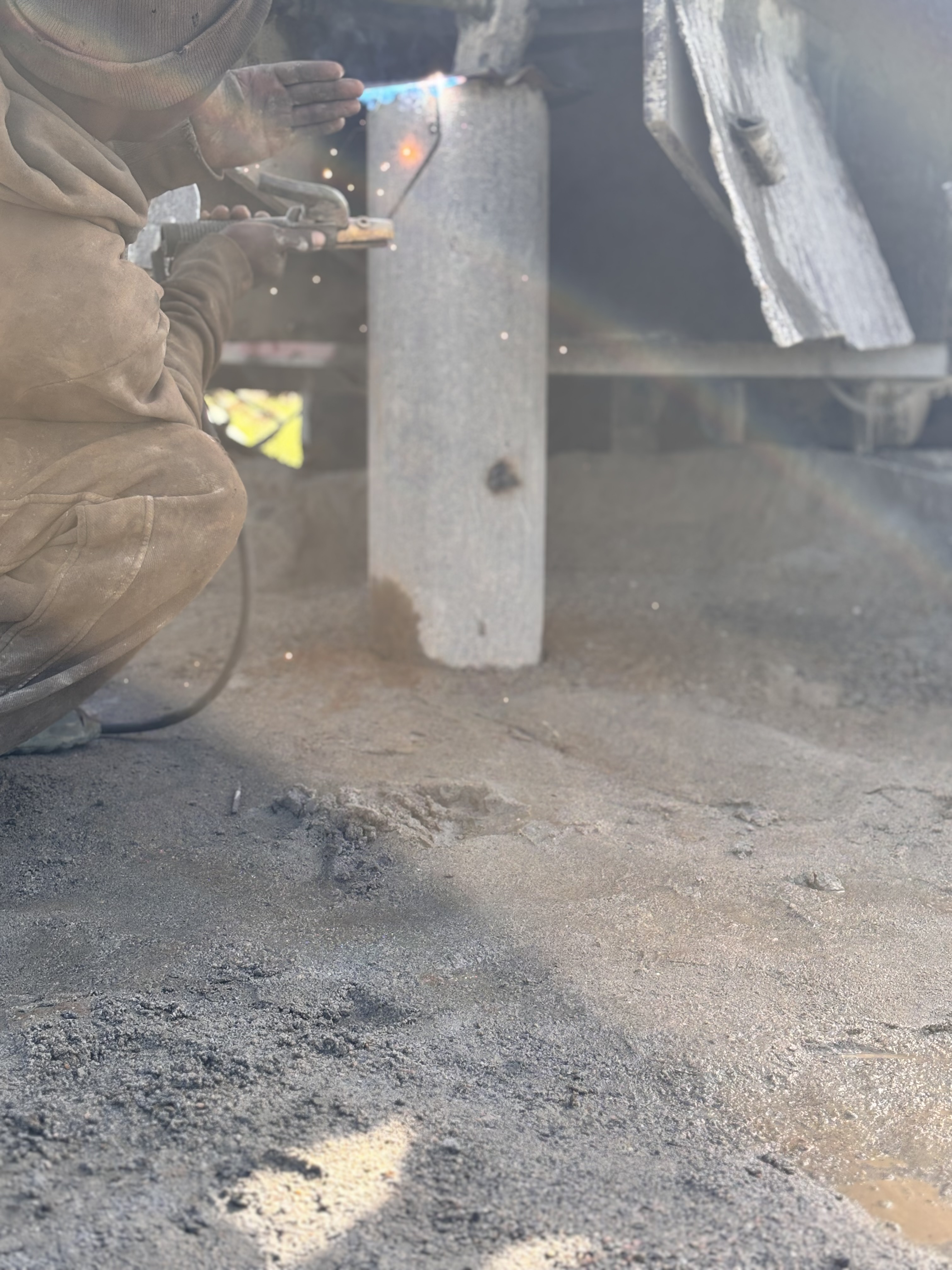
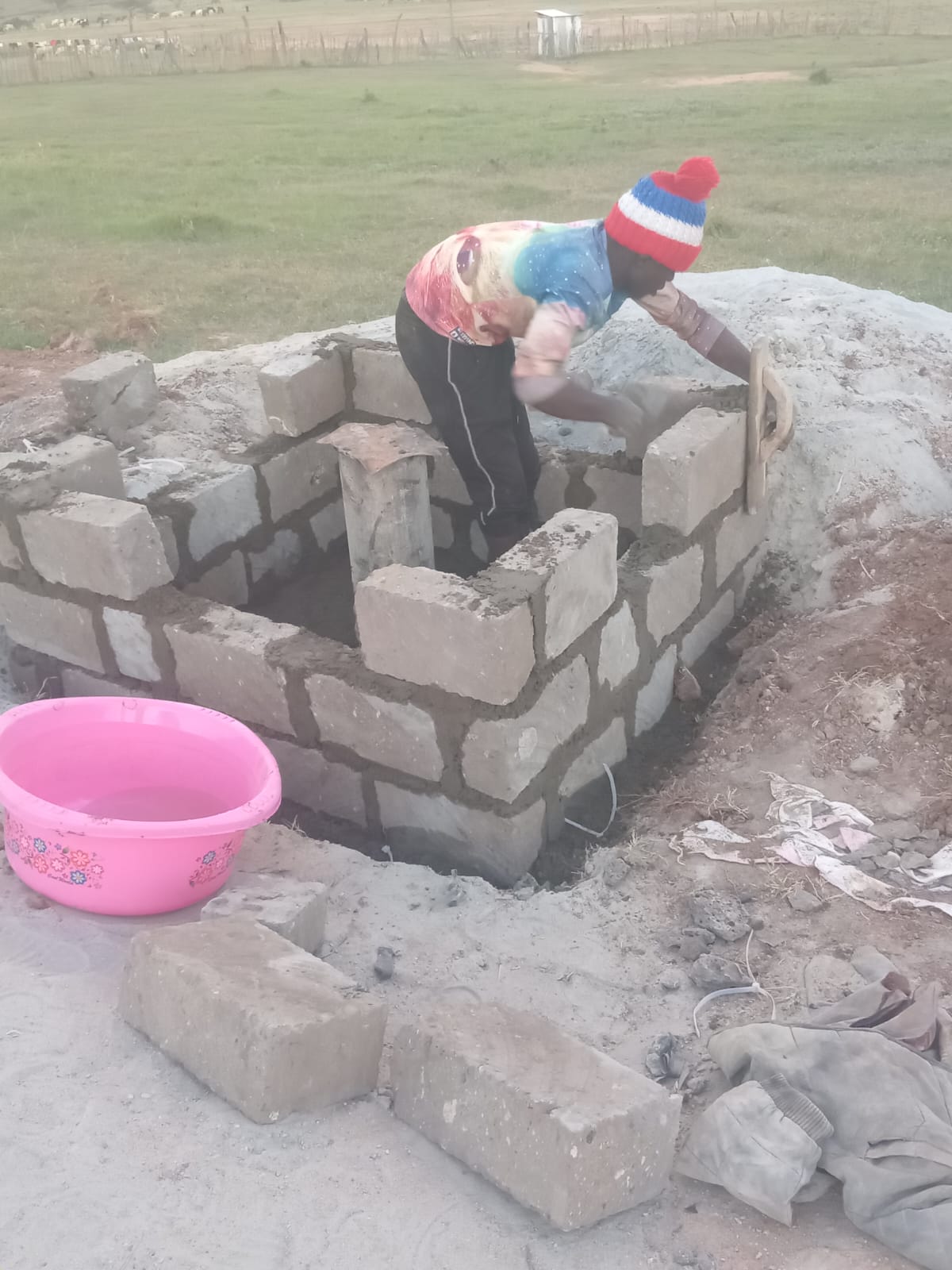
Welded casing and a protected head — built to last decades.
Casing welded on siteProtective headworks in open pasture
03 Around the borehole — waiting for the first drop
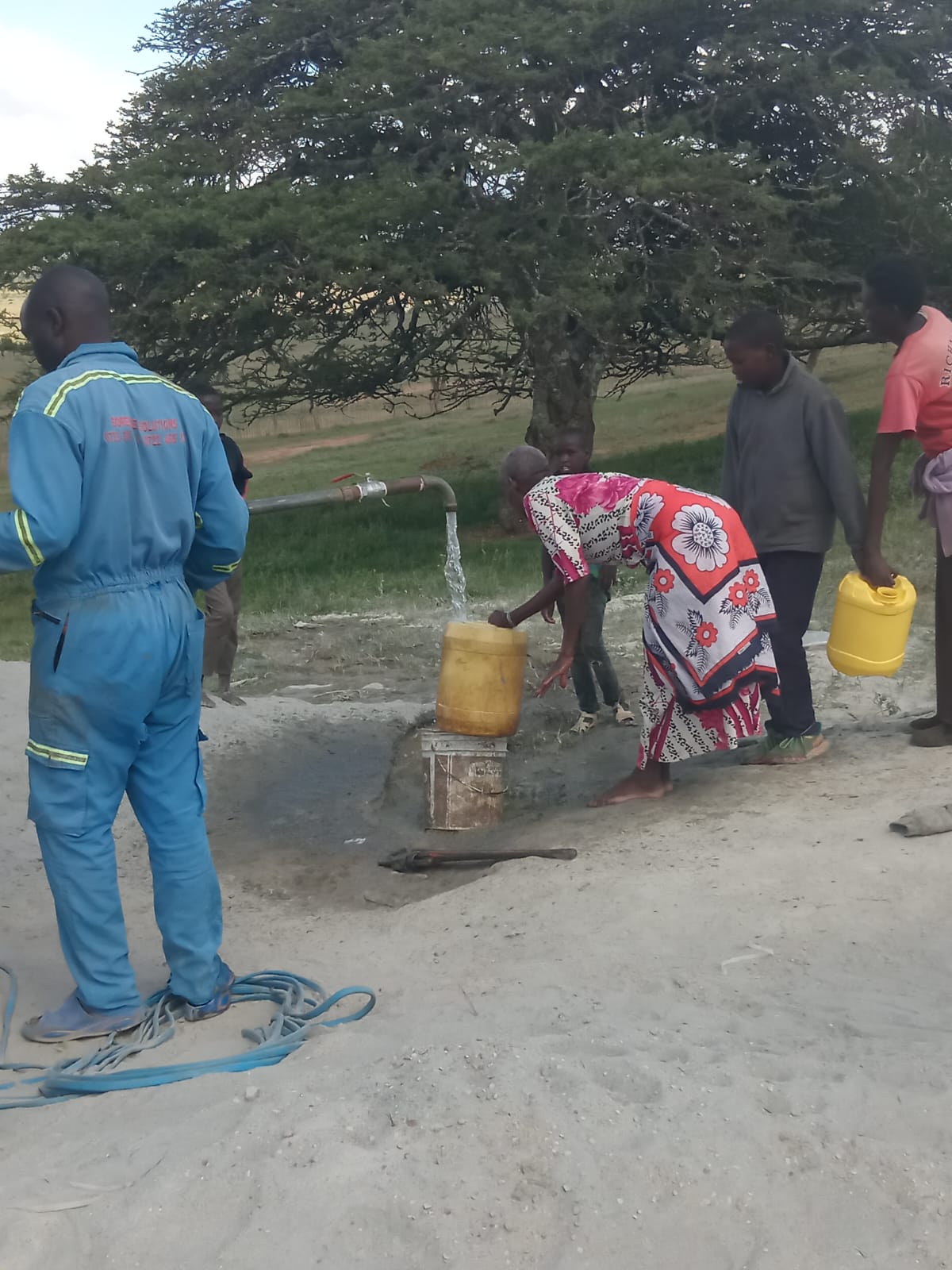
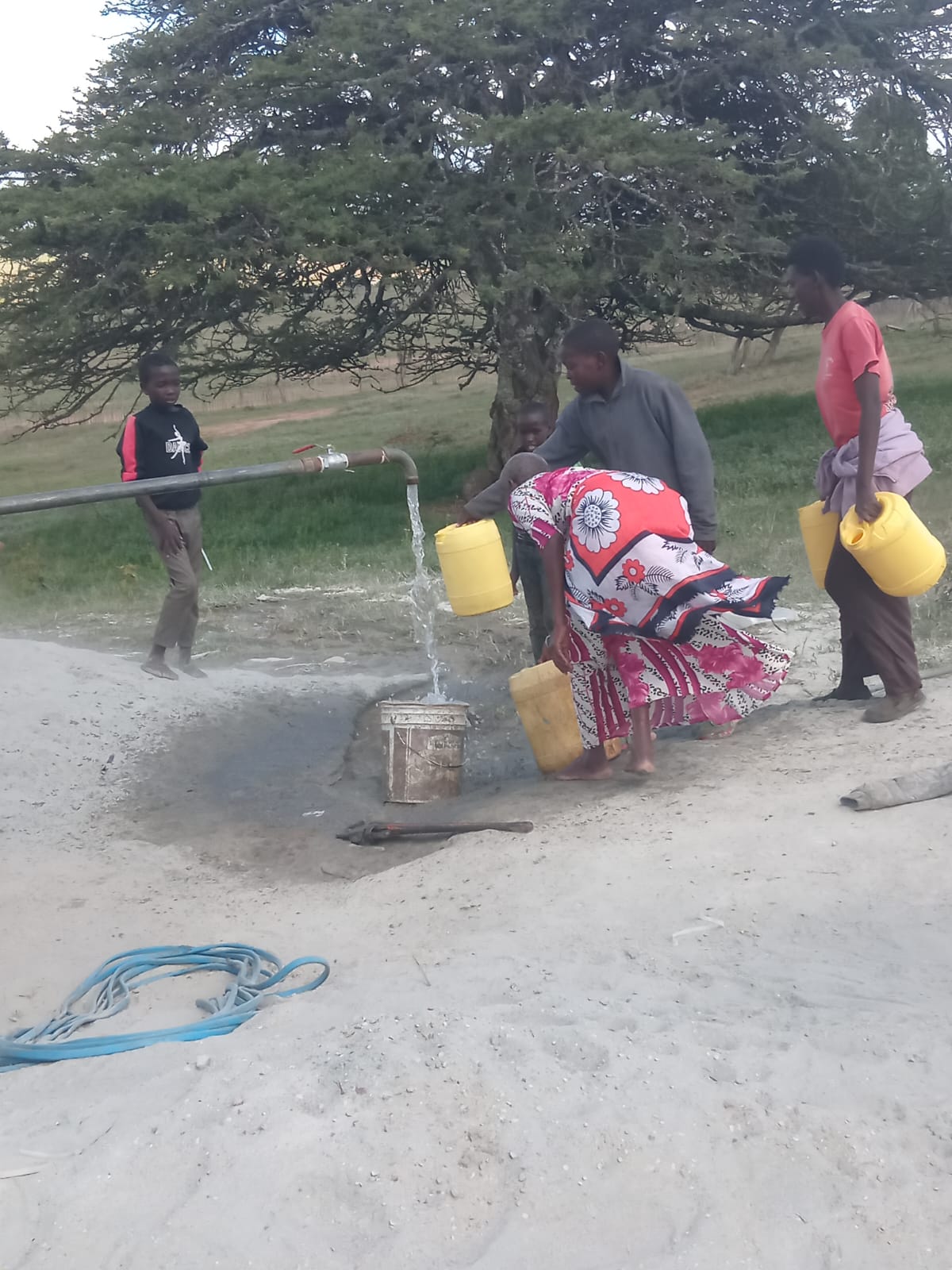
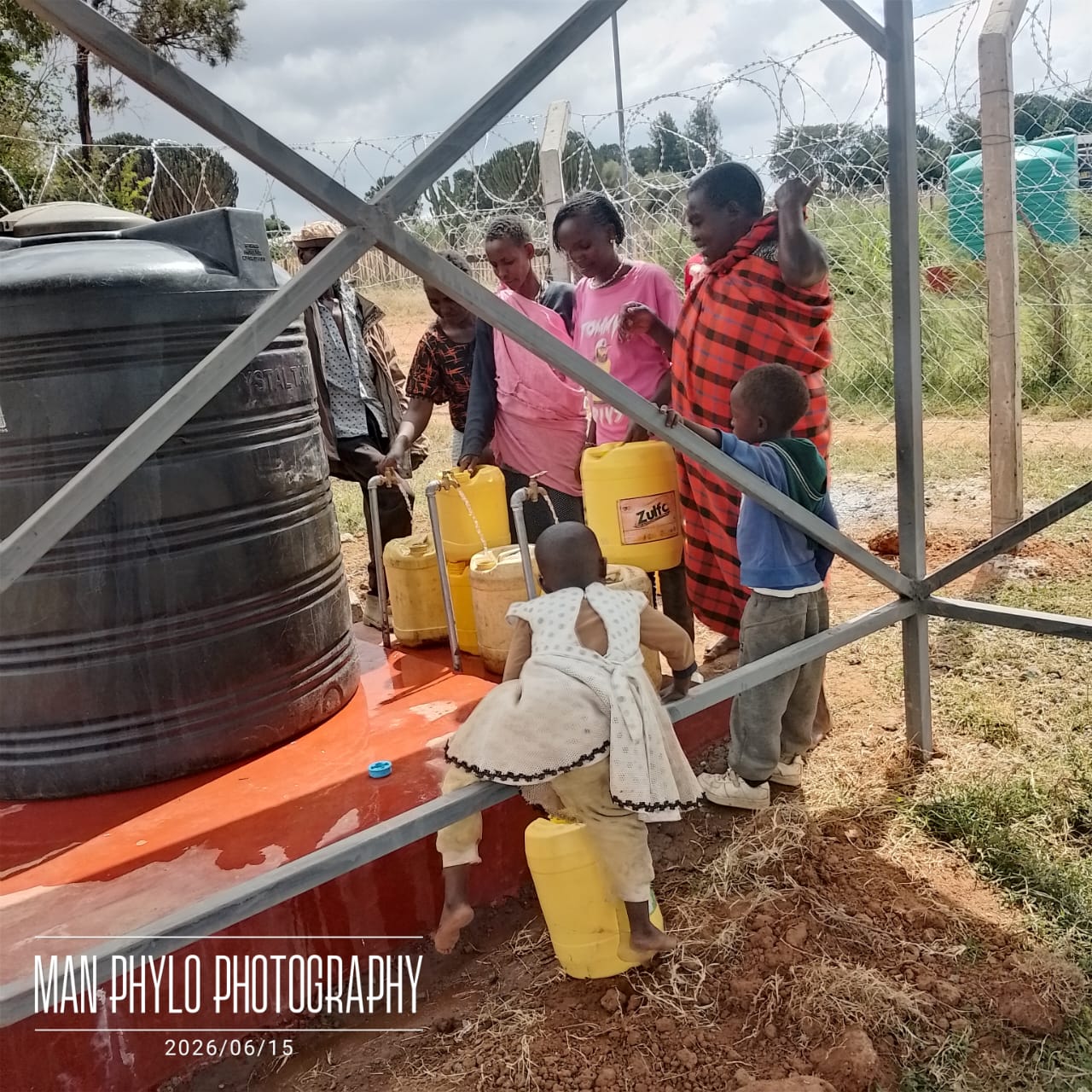
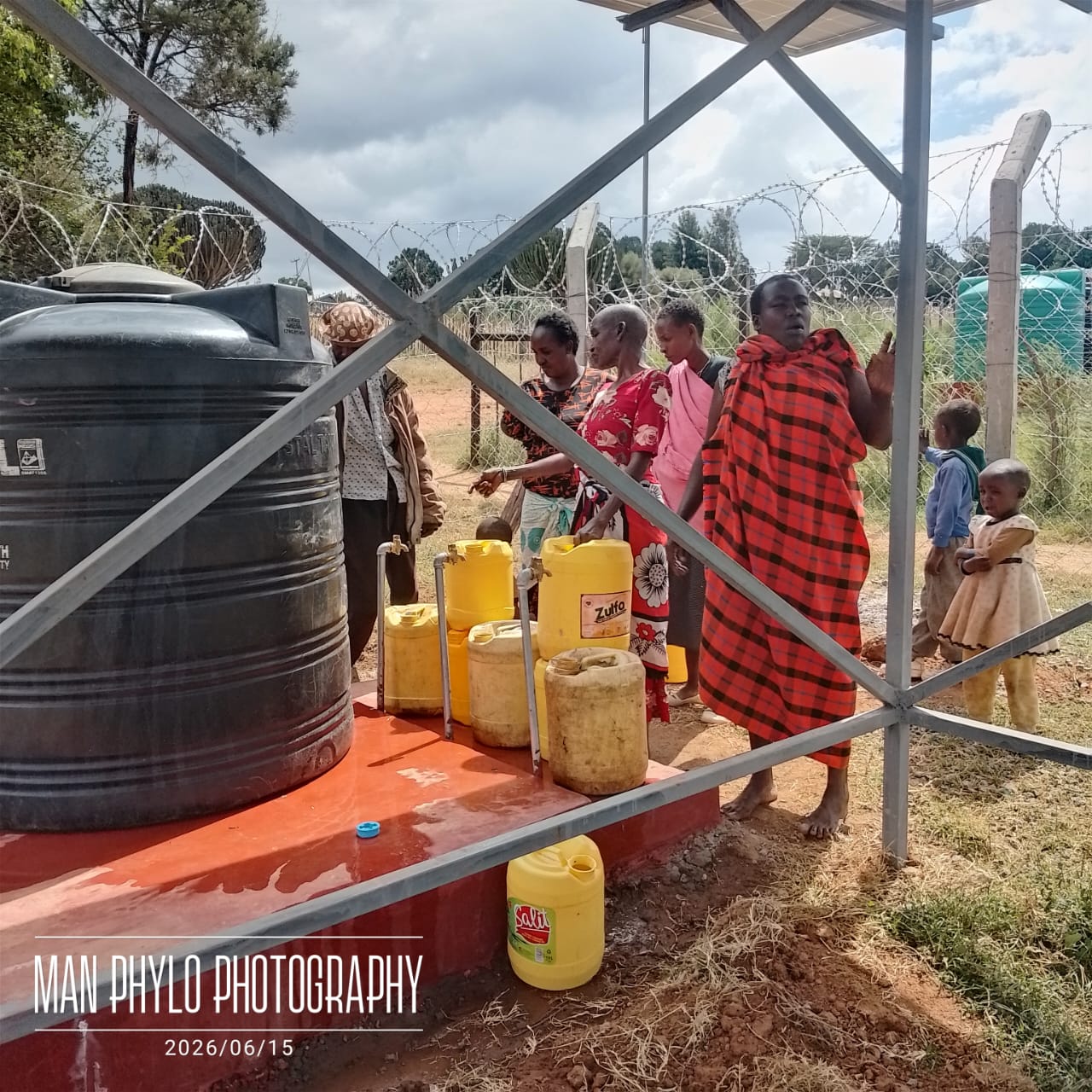
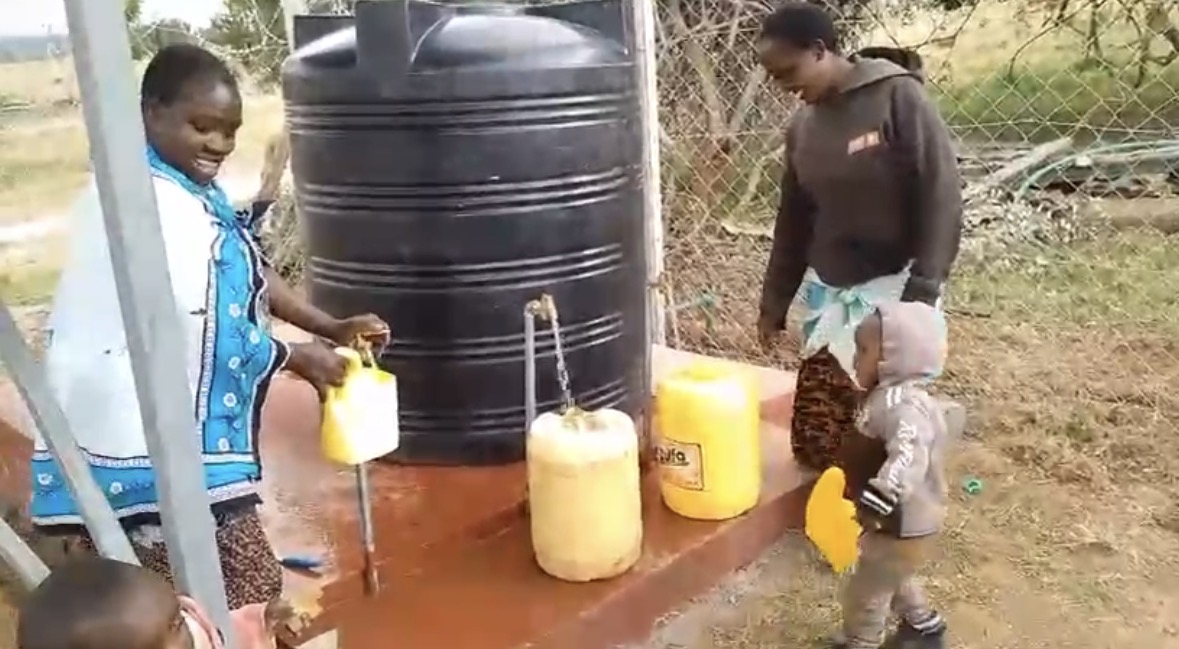
The community gathered at the hole itself. Jerrycans ready. Hope finally tangible.
First water — clear flow into jerrycansWomen at the tap — the wait is over
On-site footage — water reaching the Chumvi community
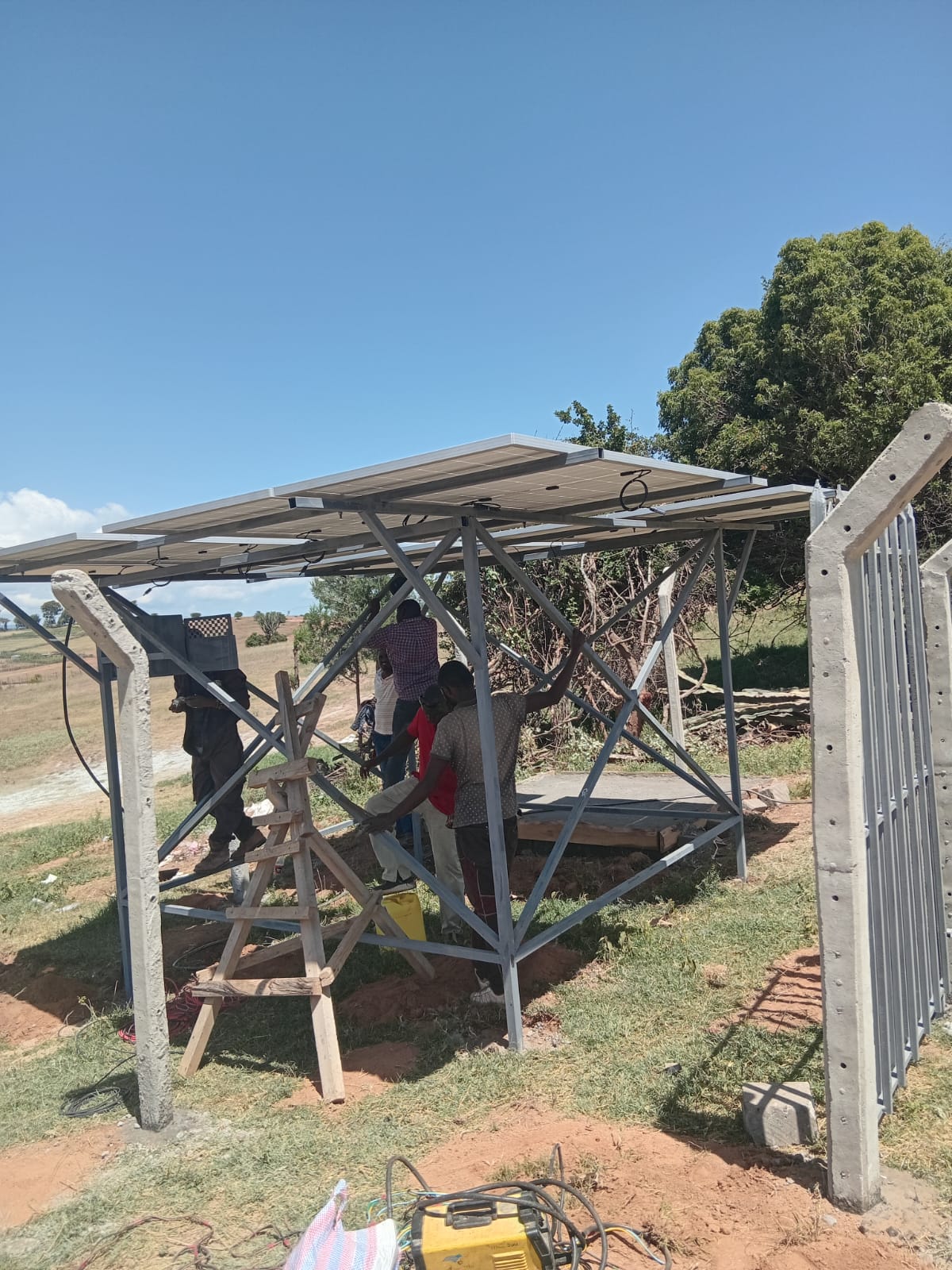
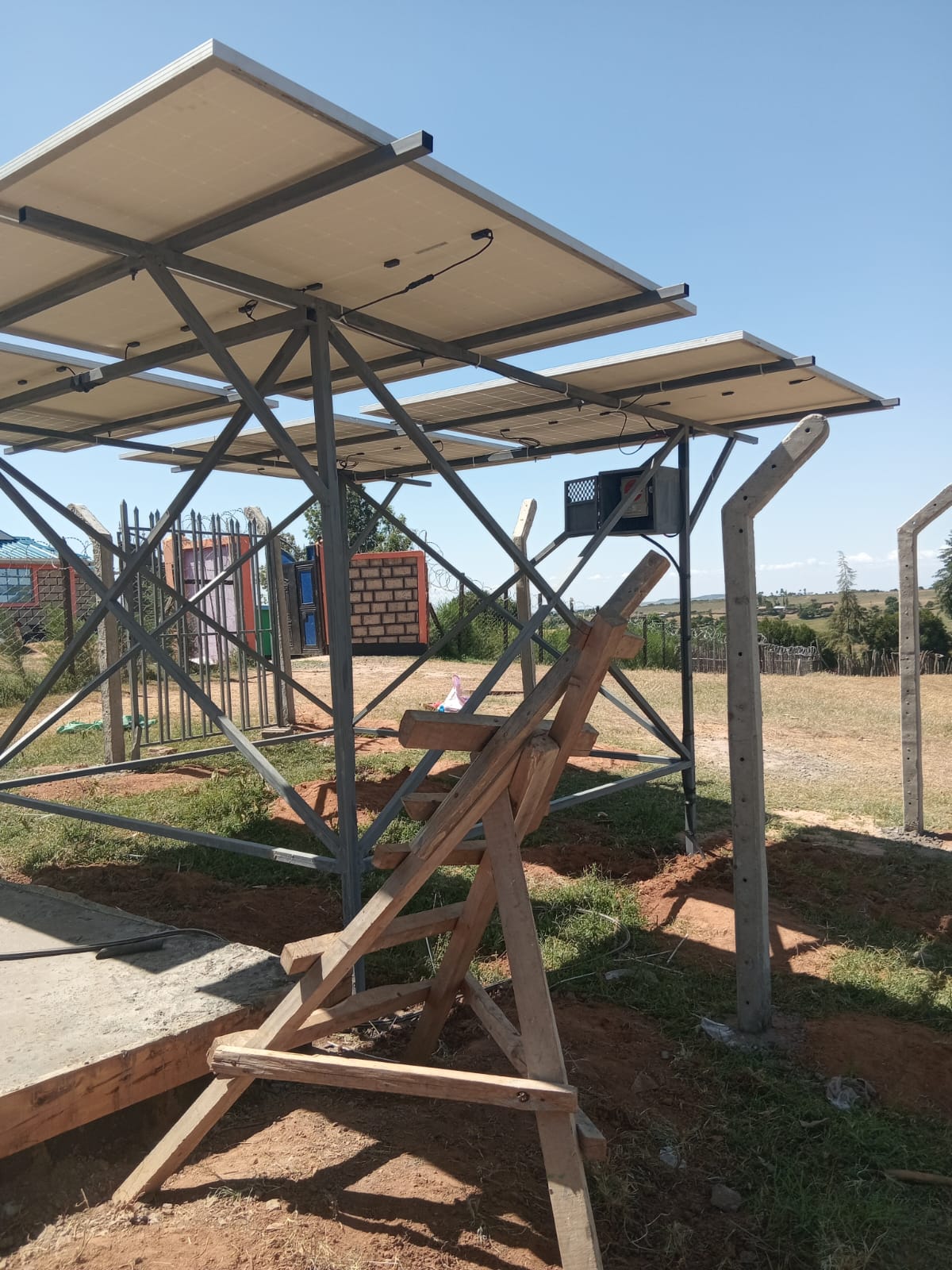
04 Solar equipping — James's gift made permanent
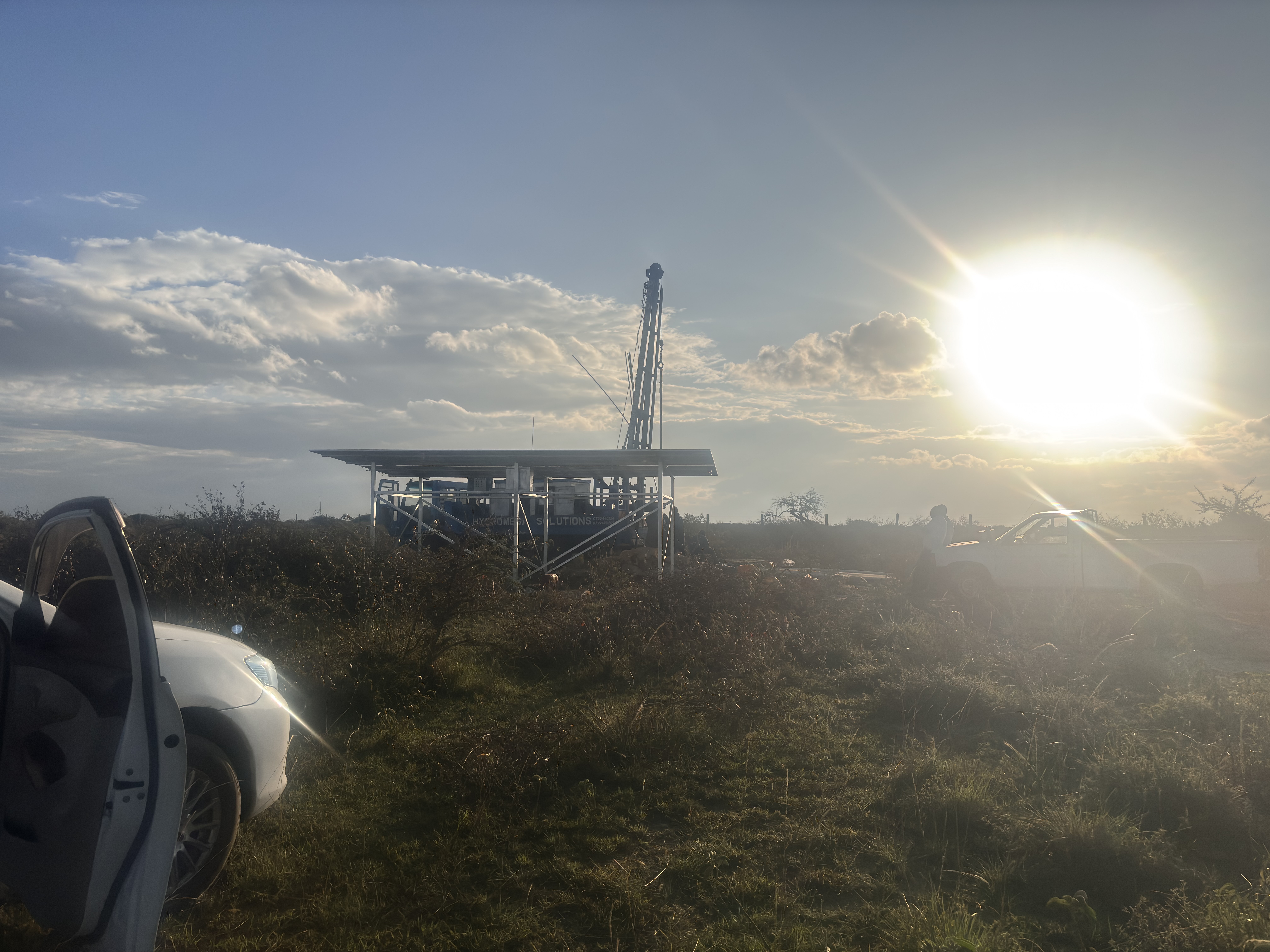
Panels, pump, tank, and fence — a complete system under the Laikipia sun.
Solar array installationSteel frame and controlsPanels tilted to the sun
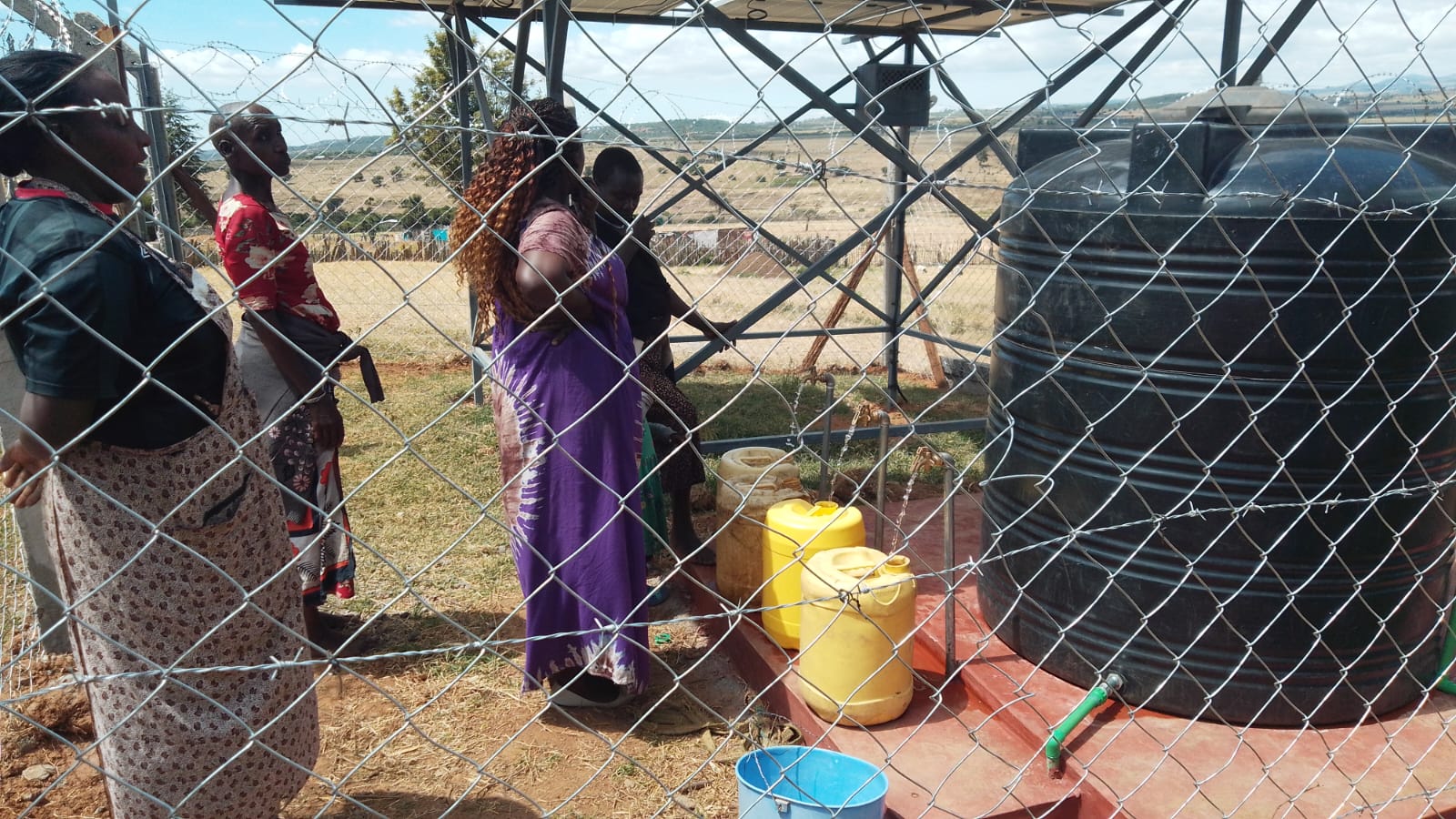
05 The finished station
Fenced, solar-powered, and ready for the whole community — year after year.
Completed community water stationWater tank and distribution tapsSolar array on siteProtected community assetStorage and solar — fully equipped
06 Water for life — because James said yes
Families, children, elders — daily water from a source they can trust.
Families filling jerrycans togetherOrganised collection at the tapsCommunity leader, women, and childrenSmiles at the tap — James Hillencamp's impact
Donor contact
Speak directly with James Hillencamp
James has allowed Kisima Well Drillers to provide his direct contact information regarding all
statements above made by Kisima Well Drillers.
We watched borehole after borehole fail around Chumvi. When Kisima hit water at 200 metres and finished at 275,
our community stopped walking for water. With water on site, James Hillencamp is working to secure land for drip farming on six acres.
Fund a community borehole like Chumvi?
Laikipia demands depth, patience, and honest hydrogeology — as James Hillencamp showed at Chumvi.
If your community or donor partner is ready to drill where others have gone dry, talk to Kisima.