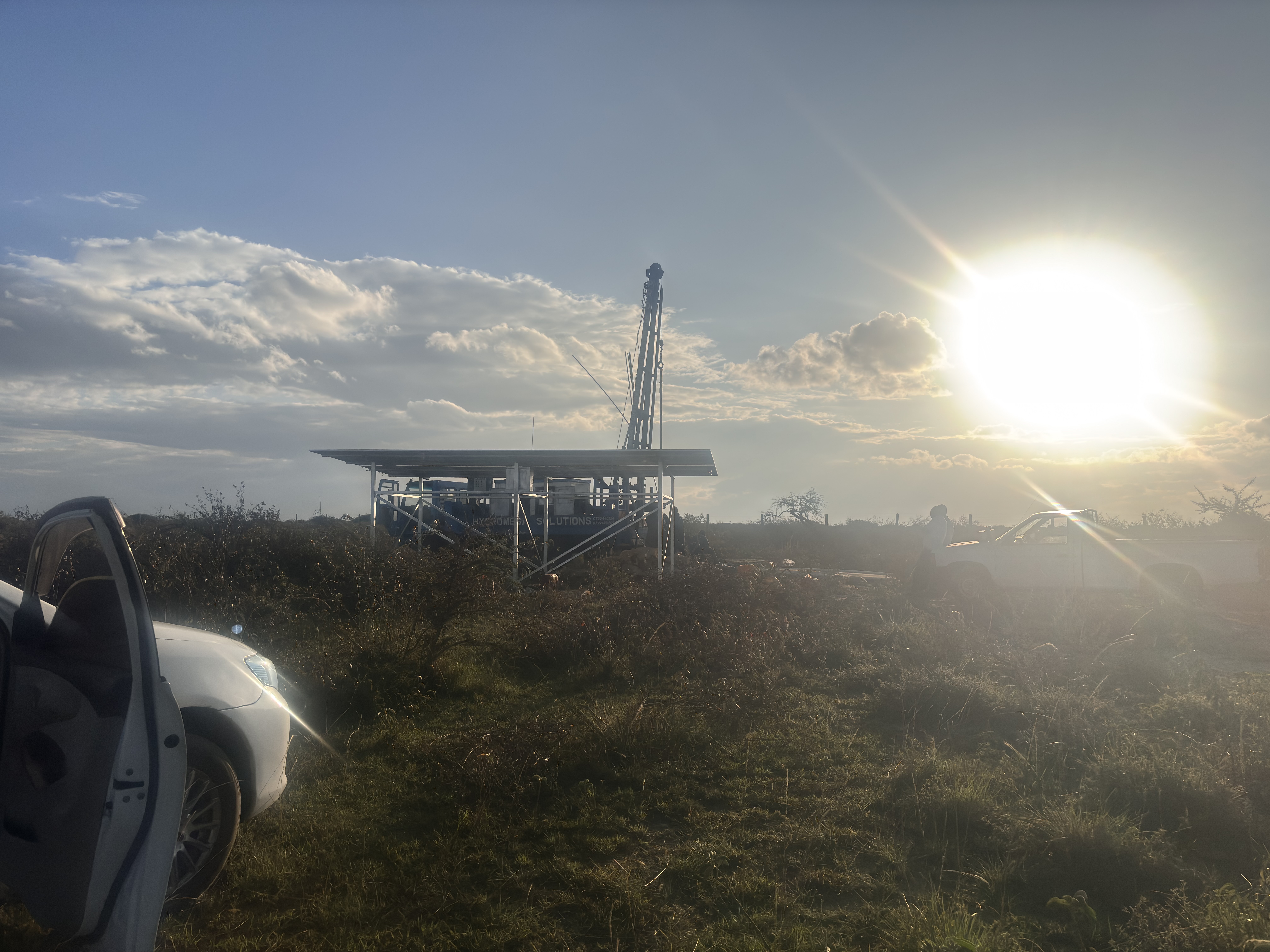
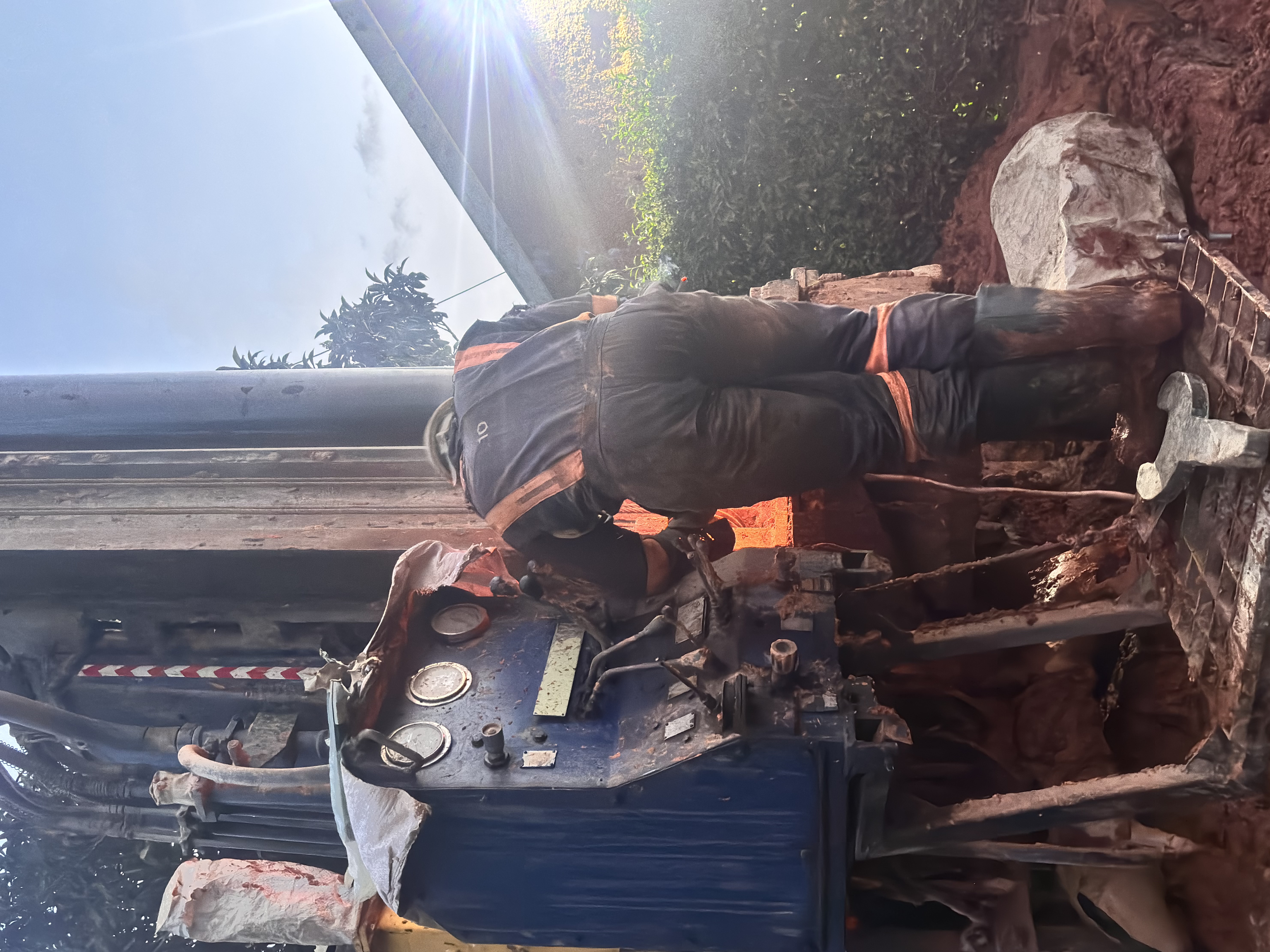
Field log · Sondu · Kisumu County

Hard rock. Then ninety-five metres of clay. Then water at last.

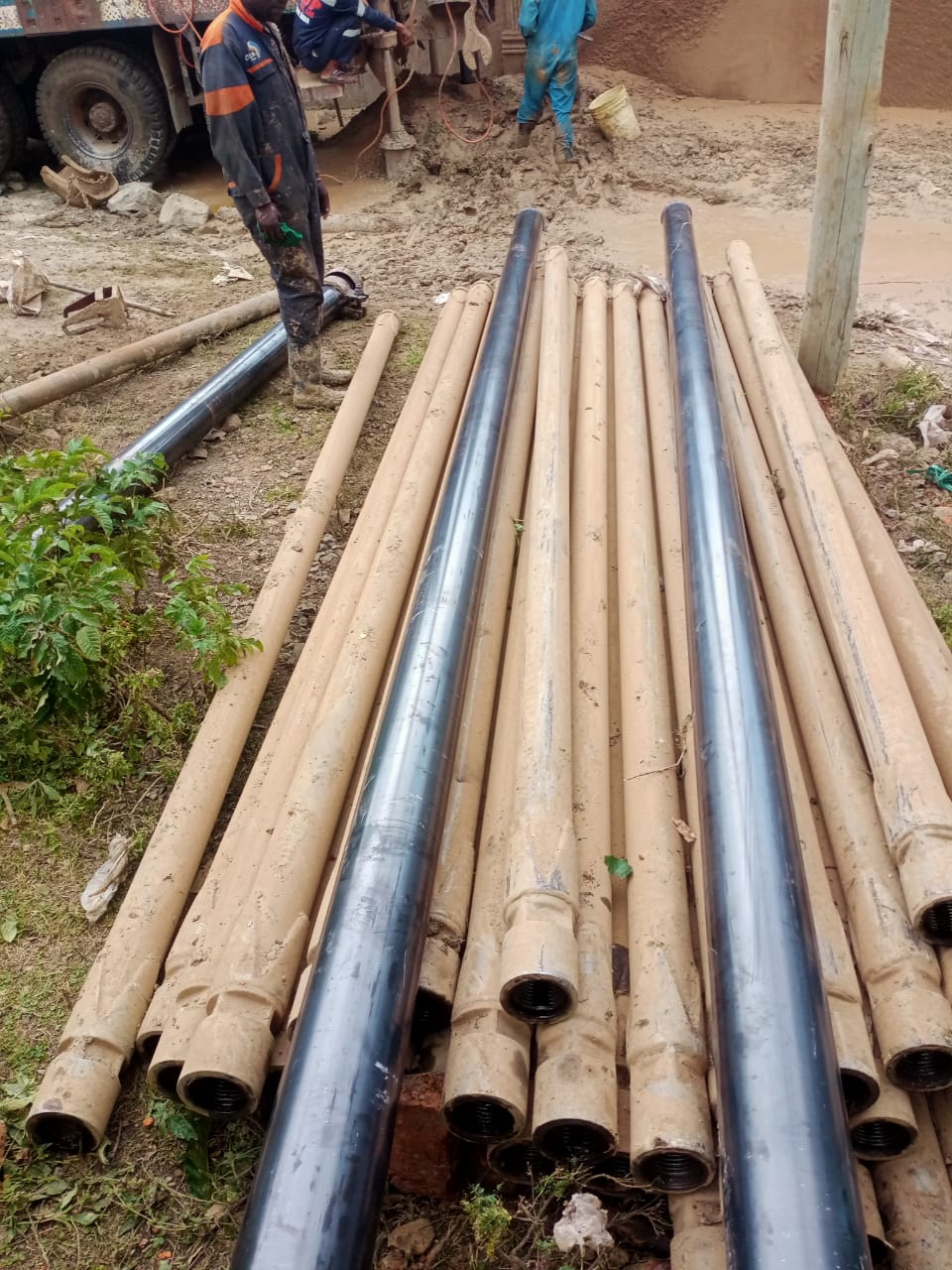
Sondu does not give up its water easily. In one of the most punishing drilling jobs of the year, Kisima pushed through a hard-rock surface, fought a clay formation from 20 to 115 metres, lost a whole day to stuck rods, kept the project alive with water bowsers trucked in to feed the rig — and finished at 200 metres with 4 cubic metres per hour of clean water for a residential supply. This is what real drilling looks like in Kisumu County.

200 m drilled 4 m³/hr yield Sondu · Kisumu Residential
200 m Total depth
20 – 115 m Clay formation
1 day Rods stuck
4 m³/hr Residential supply
KWD SONDU
2026

Project file · KWD-SDU-2026

Residential borehole · Sondu · Kisumu County — completed 200 m through hard rock and clay at 4 m³/hr yield.

200 m Depth
4 m³/hr Yield
20–115 m Clay zone
Bowsers Drilling water
Drilling diary

A field log: day by day, what it actually took to reach water.

Sondu was not a clean drill. It was a multi-day fight through formation, equipment limits, and logistics. These are the entries that mattered, in the order they happened.

0 – 20 m

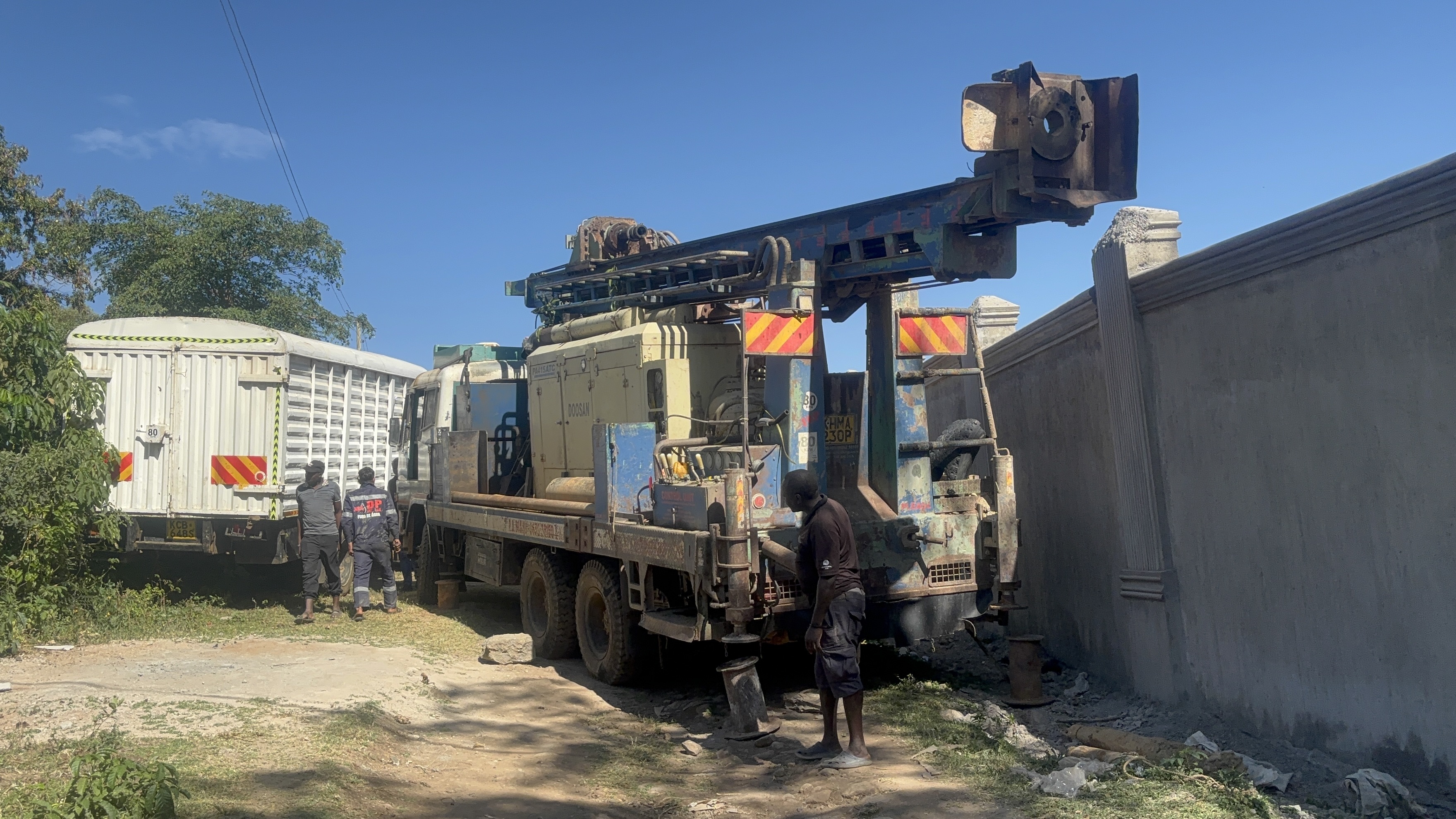
Hard rock straight off the surface

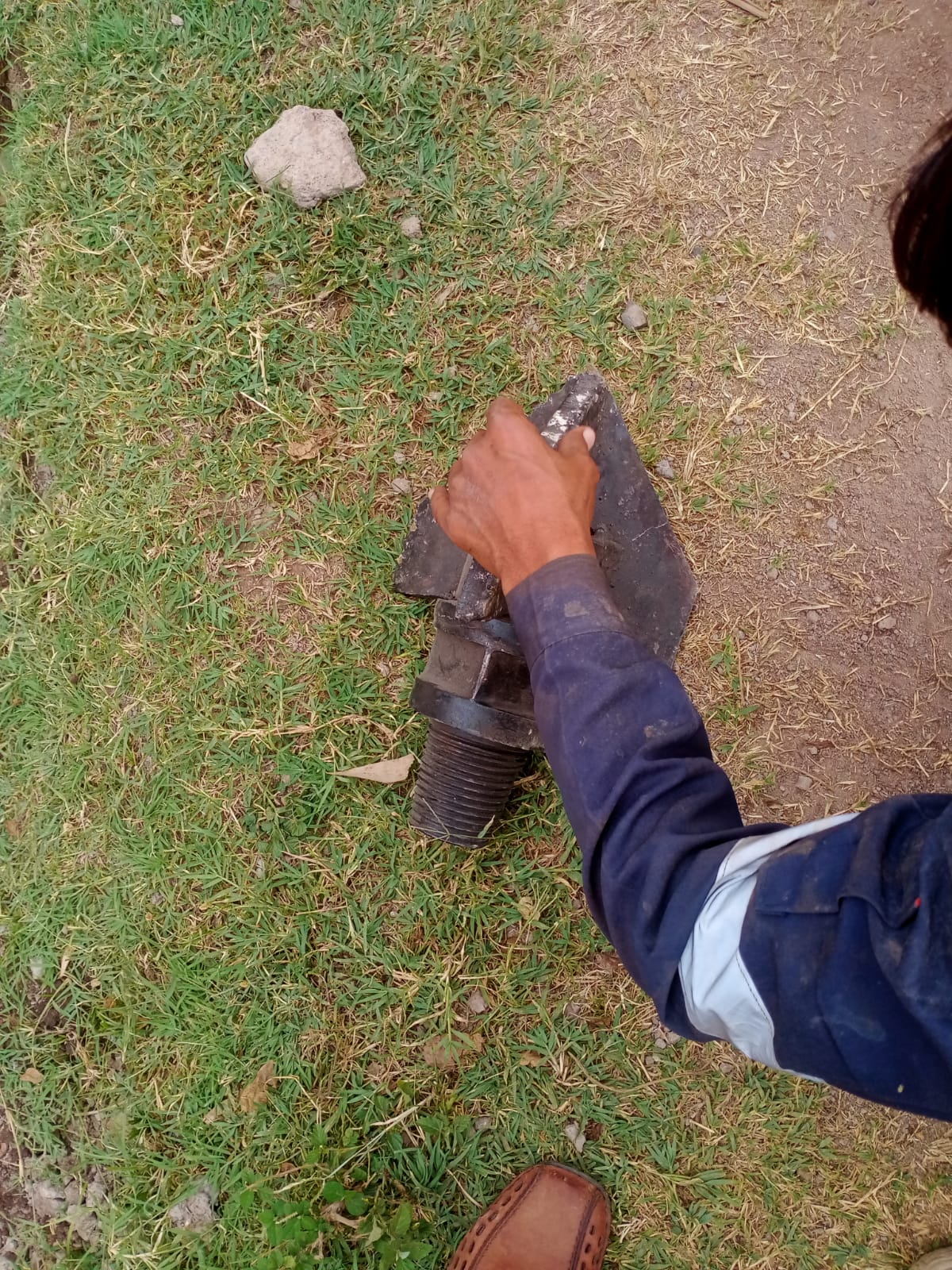
Sondu greeted the rig with hard rock from the first metres. No friendly overburden, no easy lead-in — just immediate weight on bit, full air, and the right hammer for stone. Penetration was slow but the formation was honest: rock that holds the hole open and tells you exactly what it is.
20 – 60 m

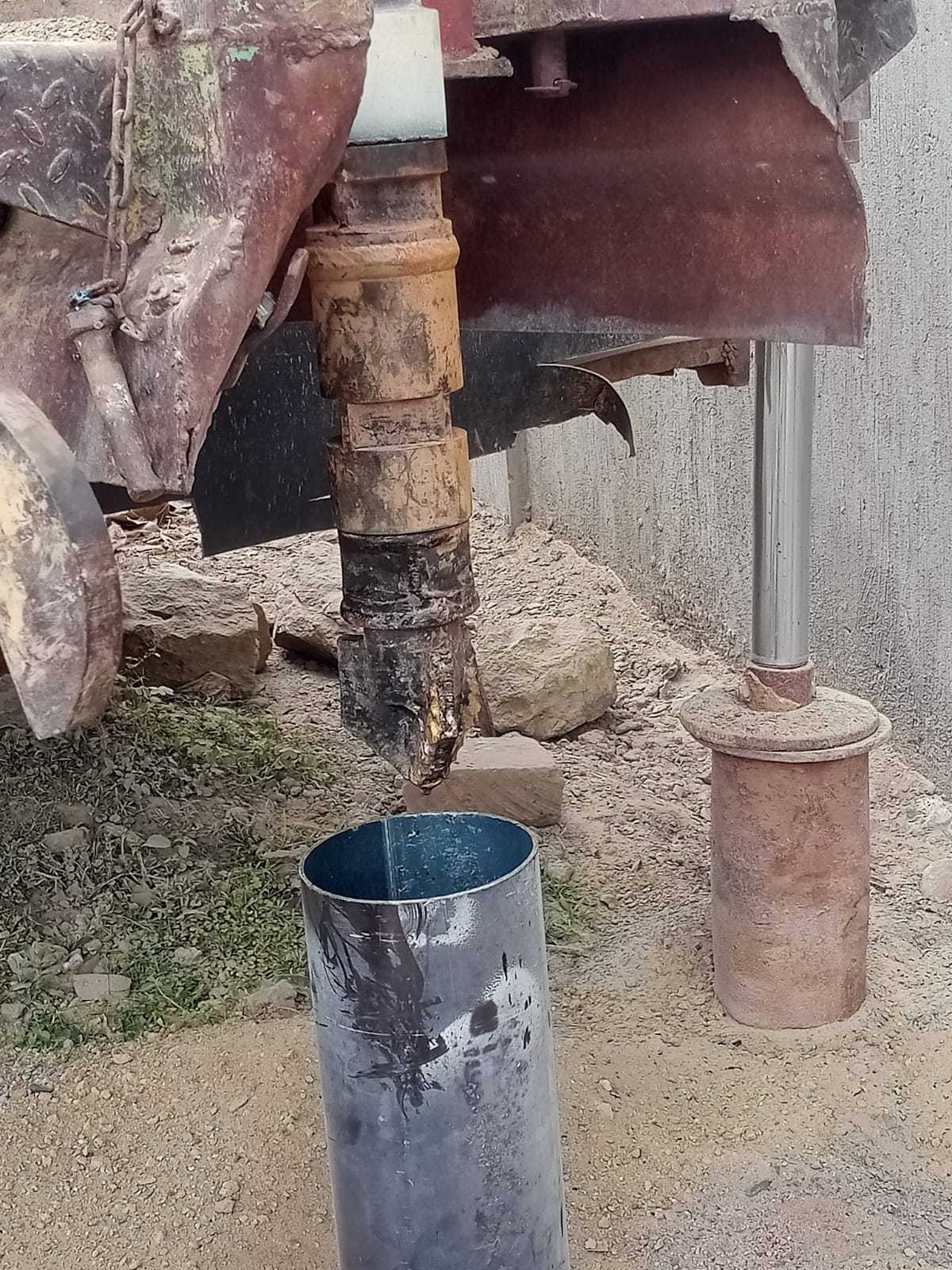
At 20 metres the formation turned to clay

The bit punched through and everything changed. From 20 metres, the hole became clay — sticky, unstable, slow to clear. Cuttings balled on the bit, the hole wanted to tighten, and the rig had to switch its whole approach: more flushing, careful weight, and a constant read on what was coming up the annulus.

Heavy water demand begins Frequent flushing
~60 – 80 m

Rods stuck for the whole day

Mid-clay, the worst-case scenario hit. The drill string seized in the formation — clay packed around the rods and refused to let go. An entire full working day went into recovery: working the string up and down, flushing pattern adjustments, patience, and the kind of quiet teamwork that does not make headlines but saves projects.

By close of day the rods were free, the hole was preserved, and we still had a borehole to push deeper. Nothing was lost except time — and on this site, time was bought back later.

Whole day on recovery
80 – 115 m

Bowsers trucked in to keep the rig drilling

Clay drilling is thirsty. With formation demand climbing, on-site water reserves were not enough. Kisima mobilised water bowsers (tankers) to the site, hauling thousands of litres for flushing, hole stability, and cuttings removal. Drilling did not pause for water — water came to drilling.

That logistic call is what separates a finished borehole from an abandoned one in Sondu. Many crews stop here. We kept feeding the hole.

Multiple bowser trips Drilling continuous
115 m

Out of the clay — and into water

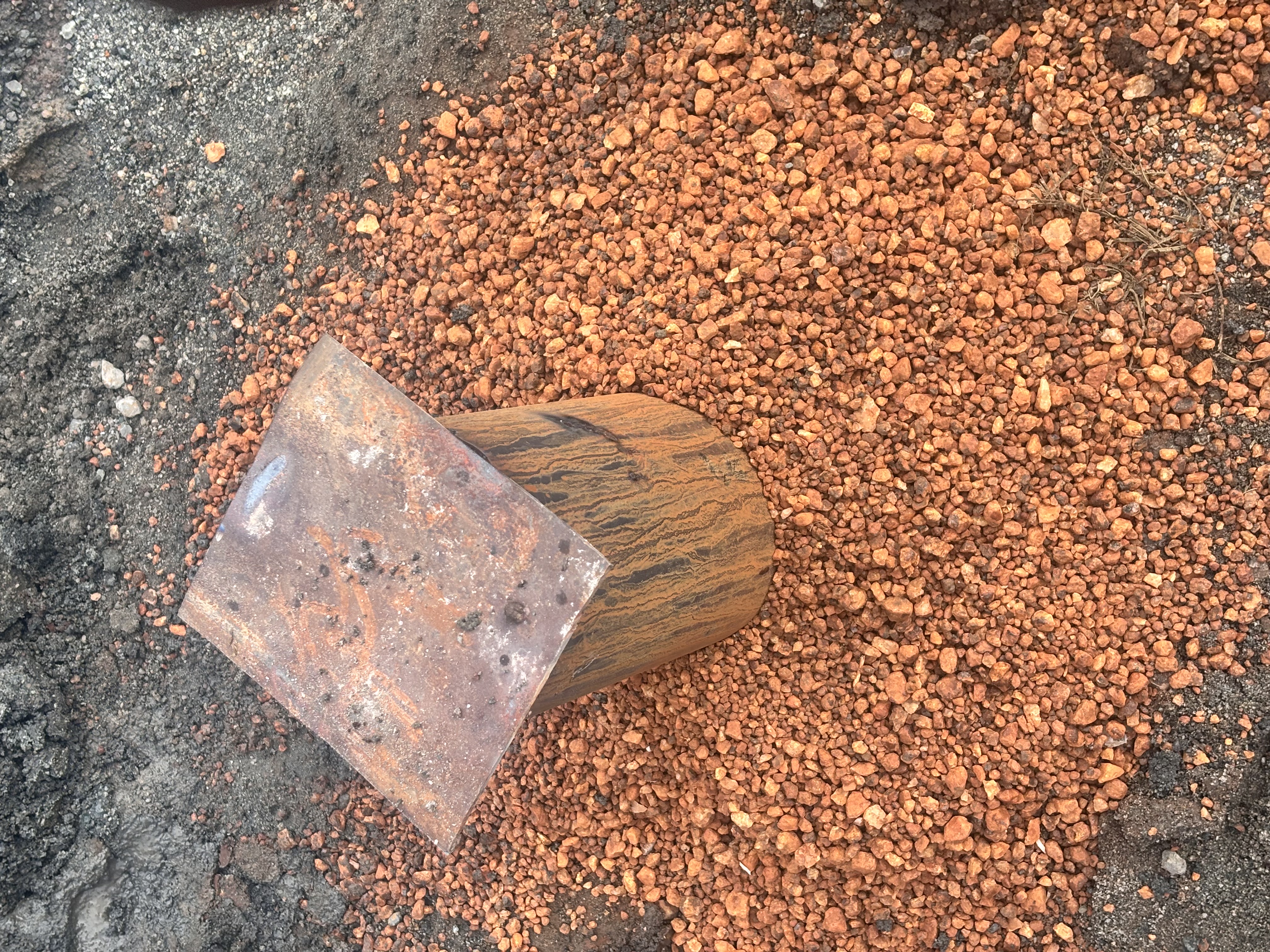
At roughly 115 metres, the clay finally ended. Cuttings changed character, the bit moved differently, and water indicators appeared in the returns. After ninety-five metres of fighting sticky clay, the formation opened up. This is the moment every Sondu borehole is chasing.

Water signals confirmed
200 m

Drilled to 200 m — confirmed 4 m³/hr residential

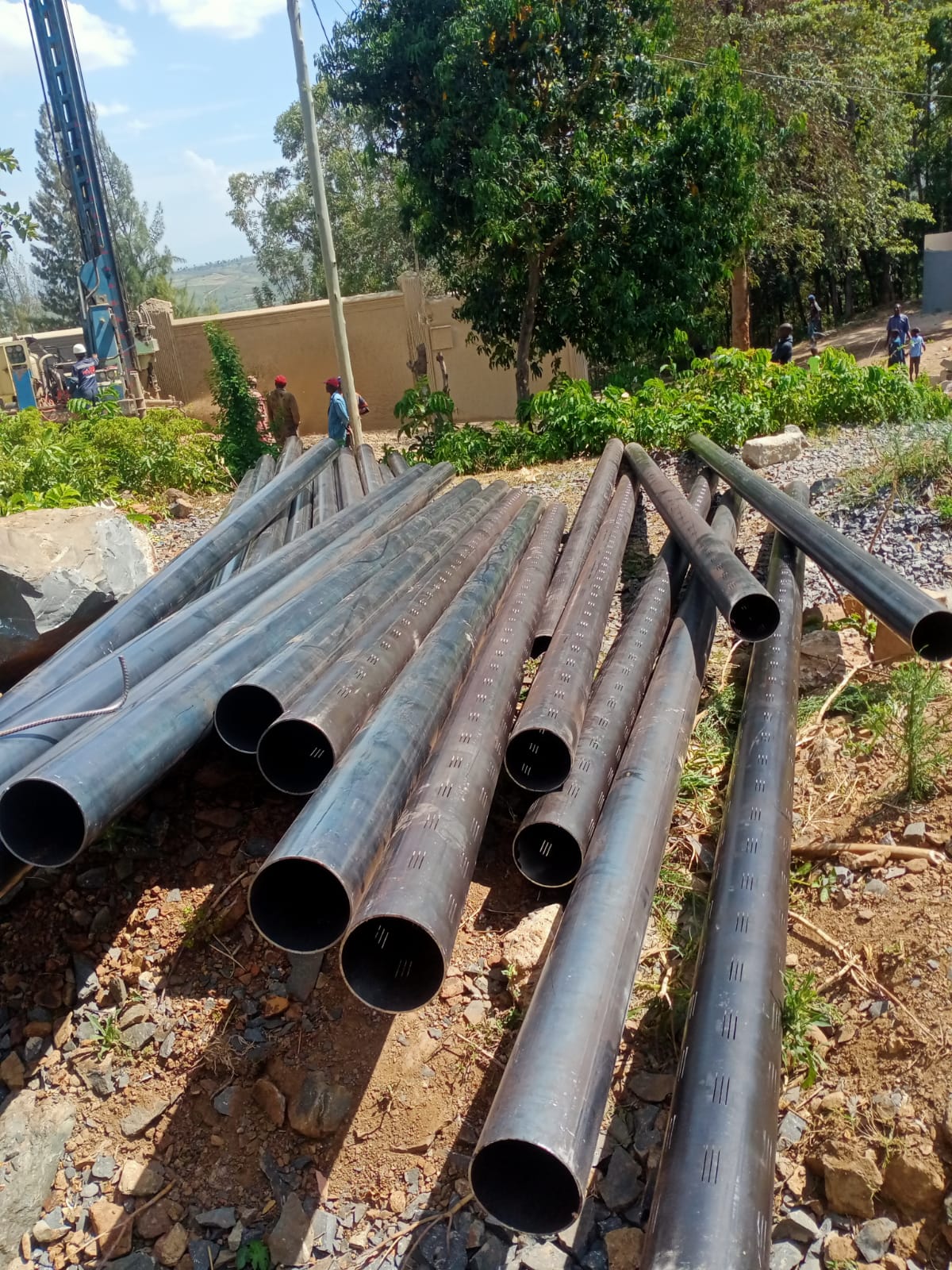
Rather than stop at the first strike, the borehole was pushed to 200 metres for a residential supply that has to be reliable for years, not just months. Test pumping confirmed a steady 4 cubic metres per hour — comfortably above what a household plus compound needs day in and day out.

Borehole completed & tested
Cross-section

What 200 metres of Sondu actually looks like.

A simple read on the formation we drilled — the kind of section sheet every Sondu landowner should see before committing to a borehole. This is why depth and persistence matter here.

Why we went all the way to 200 metres

We could have stopped at the first water at 115 m. Many drillers do. But this is a residential site with a family relying on the borehole for the long term, and the only honest play in Sondu is to drill past the first strike into a stable, deeper aquifer with margin to spare.

Two hundred metres gave us 4 m³/hr of reliable supply — water that does not flicker in dry months and does not rely on a marginal first-water zone. That is the difference between a borehole and a working water source.

  • Hard rock — surface and below clay
  • Clay formation (20–115 m)
  • Stuck-rod incident · clay zone
  • Production aquifer · 4 m³/hr at 200 m

The bowser run — quiet logistics, loud impact

Clay drilling without enough water is a project that ends early. Kisima trucked in water bowsers directly to the Sondu site so the rig never paused for flushing supply. Crews kept drilling, the hole stayed clean, and the borehole reached production depth. This is the kind of operational decision that does not show up in a quote — but shows up in the result.

+ Bowser trips on-site
Residential sizing

Four cubic metres an hour — more than enough for a home.

A reliable 4 m³/hr borehole is a serious residential asset. Pumped through a normal day into storage, it covers everything a household runs on without breaking a sweat.

Household demand handled

Drinking, cooking, bathing, laundry, kitchen garden — all within the daily envelope a 4 m³/hr borehole provides through a sized storage tank.

Short pump runtime

The pump does not have to grind all day. A few hours of pumping a day fills storage and gives the borehole rest — extending pump life and saving power.

Drought margin

Drilled to 200 m through a continuous clay zone into a deeper aquifer — this is not a marginal first-water borehole. It has the depth to keep delivering when seasons stretch.

When the rods got stuck for a whole day I thought my borehole was finished. Then bowsers started arriving and Kisima just kept drilling. They went all the way to 200 metres — now my family has water every single day.

Tough ground in Kisumu or Nyanza? You need a contractor that does not quit.

Hard rock at the surface, deep clay, stuck strings, water hauls — Kisima drills these projects every season. If your site has scared other contractors off, call us before you compromise on depth.

WhatsApp Kisima Call +254 710 254 502
More case studies

Other tough drills from the field.

Location

Sondu, Kisumu County

Sondu residential borehole Sondu, Kisumu County, Kenya